The simple act of moving a sofa or rotating a bed can transform a familiar room from feeling cramped and stagnant to becoming open and invigorating. This profound shift in atmosphere is more than just a visual novelty; it is a tangible recalibration of the space's inherent energy and its interaction with our senses. The change we feel speaks to deep-seated principles of environmental design, understood for millennia through systems like Feng Shui and now validated by contemporary environmental psychology. Rearranging furniture fundamentally alters the pathways, focal points, and energetic quality of a room, directly impacting our subconscious perception, emotional state, and behavior within that space.
Core Concept
At its heart, the feeling of a room is governed by the movement and quality of Qi, or vital life force energy. In environmental terms, Qi should meander gently and continuously through a space, like a soft breeze or a slow-moving stream. Furniture acts as the topography of this indoor landscape—it can either facilitate this smooth flow or create blockages and stagnant pools. A clear, unobstructed pathway allows Qi to circulate, bringing a sense of vitality and ease. Conversely, a large piece placed directly in front of a door or a cluttered corner can dam the energy, leading to feelings of frustration or lethargy. This concept manifests in tangible ways. Consider a living room where the main seating is arranged with its back to the entrance. This layout often creates a subtle, underlying sense of unease, as one cannot comfortably see who is entering. In contrast, arranging seating in a welcoming curve that faces the door while also fostering conversation among occupants supports both a feeling of security and social connection. Similarly, a desk crammed into a dark corner facing a wall can stifle creativity and focus, while repositioning it to command a view of the room (without being directly in line with the door) can enhance a sense of authority and open-mindedness. These are not mere superstitions but observations of how spatial relationships affect our primal instincts and mental clarity.
Traditional Feng Shui Perspective
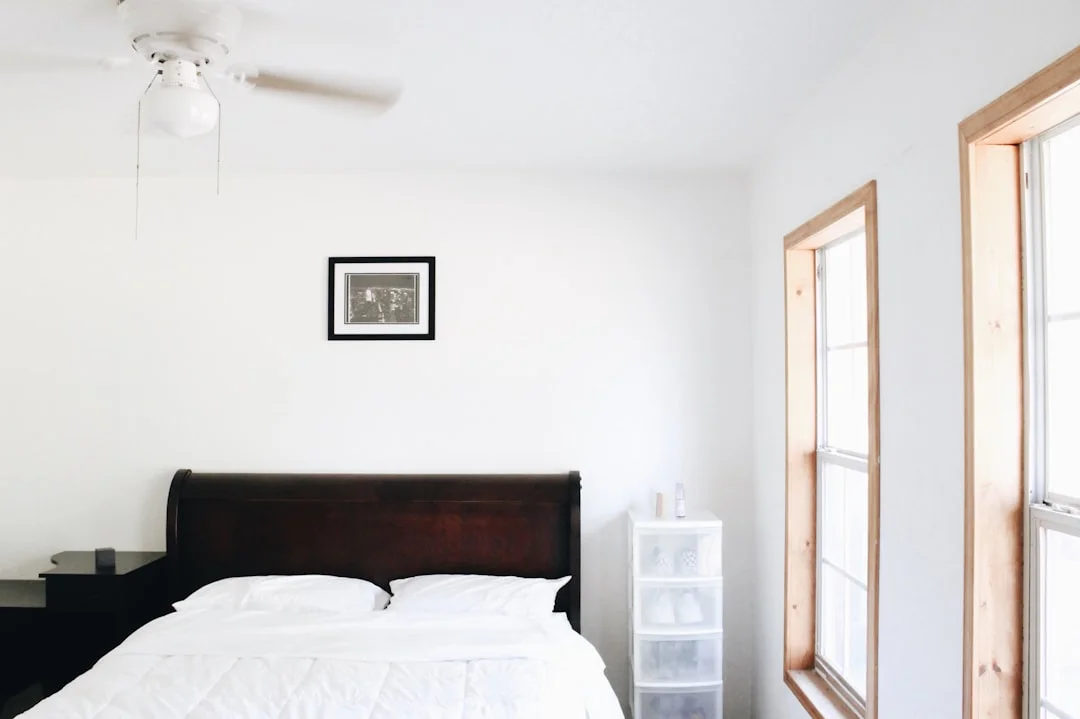
Classical Feng Shui provides a sophisticated framework for understanding these spatial dynamics, rooted in the balance of Yin and Yang and the interactions of the Five Elements. Every space and object carries these qualities, and furniture arrangement is a primary tool for achieving harmony. The principle of Yin-Yang balance in space seeks equilibrium between active and passive, solid and void. Heavy, large furniture (Yang) needs to be balanced with open floor space (Yin). A room overloaded with furniture feels oppressive and Yang-dominant, while an overly sparse room can feel cold and unsettled, being too Yin. Rearranging allows us to adjust this balance—pulling a bookcase away from a wall to break a solid block, or adding a soft rug to anchor an empty area, directly changes the room's energetic weight. The Five Elements theory—Wood, Fire, Earth, Metal, Water—further refines this. Furniture shapes, materials, and colors represent these elements. A rectangular wooden table (Wood) placed in a room with a metal ceiling fan (Metal) creates a controlling relationship (Metal chops Wood), which might manifest as arguments or stalled projects. Repositioning that table to a different area, or introducing a candle (Fire) between them to mediate (Fire melts Metal), can soften the dynamic. The flow of Qi is meticulously analyzed through concepts like the "Ming Tang" or bright hall—the open, central gathering space in a room. Clearing and defining this central area through strategic furniture placement ensures Qi can collect and nourish the occupants before distributing gently to other areas. Symbolism is also paramount. The positioning of key pieces like the bed or desk carries deep meaning. The "command position," typically diagonally opposite and facing the door without being directly in its path, is sought for these important pieces. It symbolizes being in a position of awareness and security, influencing everything from sleep quality to business success. Rearranging to achieve this command instantly changes one's relationship to the space from one of vulnerability to one of empowerment.
Modern Interpretation
Modern environmental psychology and design theory arrive at remarkably similar conclusions, albeit with different terminology. The impact of space on mood and behavior is a well-studied field. Rearranging furniture changes sightlines, acoustics, traffic patterns, and social dynamics, all of which have direct psychological consequences. From a psychological standpoint, space influences behavior through proxemics—the study of personal space. Furniture arrangements that force people to intrude on each other's intimate zones can cause stress, while those that allow for comfortable conversational distances foster rapport. An open, flowing layout can promote collaboration and energy, while defined, enclosed areas can support concentration and introspection. Changing the layout directly alters these social and behavioral cues. The influence on productivity, stress, and lifestyle is significant. Research in ergonomics and workplace design confirms that a desk with a view of the door and room reduces subconscious anxiety (the "fight or flight" monitoring instinct), freeing cognitive resources for focused work. In a home, creating a dedicated, clutter-free zone for relaxation, distinct from work areas, helps the mind compartmentalize and reduce stress. Rearranging furniture is a practical method of behavioral architecture, designing our environment to cue desired behaviors—be it conversation, relaxation, creativity, or rest. The practical real-life meaning is that we are in a dynamic dialogue with our surroundings. A room that feels "off" is often giving us feedback about misalignments between our activities and our spatial setup. The act of rearranging is a form of problem-solving and reclaiming agency over our environment. It allows us to physically manifest a new intention for the space, whether it is to foster better family interaction, create a personal sanctuary, or enable a more efficient workflow.
Insights
- Repositioning your bed or desk to face the room's entrance can subconsciously reduce anxiety and foster a greater sense of control and security in your daily life.
- Creating clear, meandering pathways between furniture pieces encourages both physical movement and a mental feeling of openness, preventing energy from becoming stuck in corners.
- Balancing solid, heavy furniture items with adequate empty floor space is essential for achieving visual relaxation and avoiding a feeling of being overwhelmed.
- Intentionally grouping seating to facilitate face-to-face conversation directly strengthens social bonds and makes a room feel more welcoming and engaged.
- Regularly reassessing your furniture layout is a powerful tool for signaling personal growth and adapting your environment to your evolving needs and life phases.
Conclusion
Rearranging furniture changes how a room feels because it fundamentally rewires the space's energetic and psychological blueprint. It is an applied philosophy of harmony, drawing from ancient wisdom on Qi flow and elemental balance, and confirmed by modern understanding of environmental psychology. The resulting shift—from stagnation to flow, from unease to comfort, from distraction to focus—is a testament to the profound, yet often overlooked, connection between our external surroundings and our internal state. By becoming conscious curators of our spatial arrangements, we move beyond mere decoration into the realm of crafting environments that actively support our well-being, relationships, and aspirations. The room, in essence, becomes a dynamic partner in our lived experience.