The pursuit of opportunity is a universal human endeavor, often seen as a blend of preparation, timing, and chance. Traditional Feng Shui offers a unique lens through which to view this pursuit, suggesting that our physical environments are not passive backdrops but active participants in shaping our lives. This ancient practice posits that by intentionally arranging our spaces, we can cultivate an energetic landscape that is receptive, supportive, and conductive to new possibilities. It moves beyond superstition to propose that harmony between an individual and their environment can clear obstacles, enhance clarity, and make one more perceptive to the subtle openings that life presents. This article explores how the principles of spatial energy management might align our surroundings to attract favorable circumstances.
Core Concept
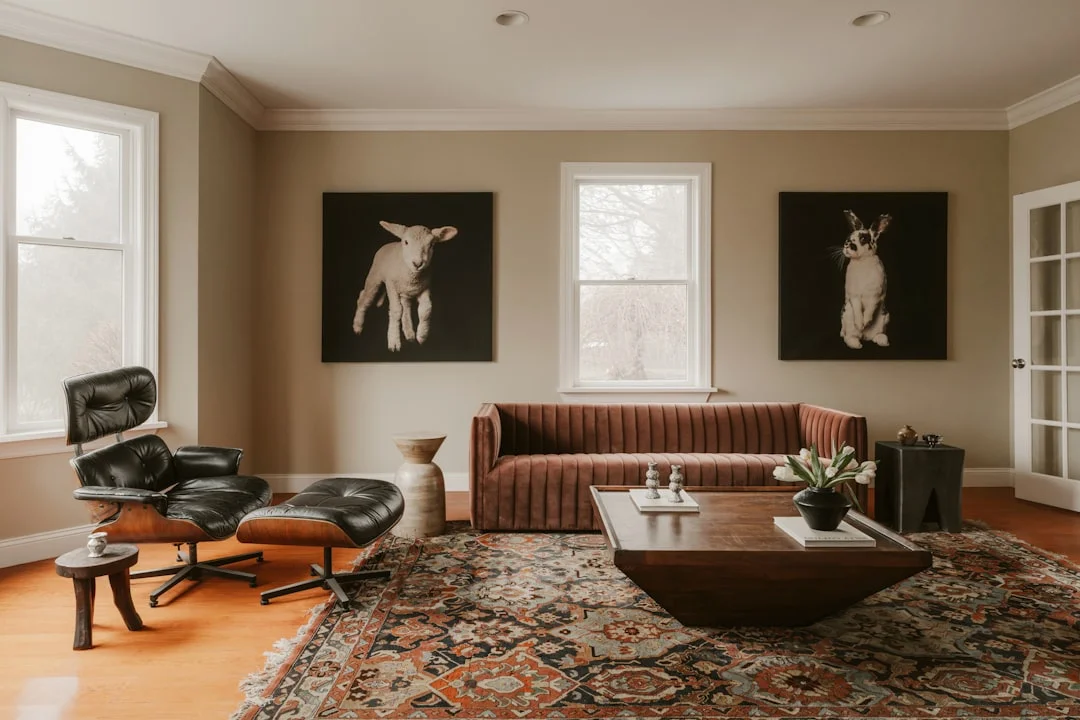
At its heart, Feng Shui is the art of placing oneself in harmonious alignment with the environmental energy, or Qi. It operates on the premise that the flow and quality of Qi in a space directly influence the well-being, mindset, and fortune of its inhabitants. When applied to attracting opportunities, Feng Shui focuses on creating spaces that are energetically "open" and "inviting," rather than blocked and stagnant. A key area in this context is the front entrance, known as the "Mouth of Qi." This is where opportunities, both literal and metaphorical, enter your life. A clear, well-lit, and welcoming entrance symbolizes an open door to the world. Conversely, a cluttered, dark, or obstructed entry can symbolize missed chances or blocked pathways. Internally, the arrangement of furniture, the use of light, and the management of clutter all contribute to the smooth flow of Qi. Stagnant energy, often found in cluttered corners or behind large furniture, is seen as an impediment to new movement. Real-life examples include a home office desk positioned to face the door (a "command position" that reduces surprise and increases a sense of control) or a living room with a clear, unobstructed path for movement, which encourages social interaction and the easy flow of ideas.
Traditional Feng Shui Perspective
Classical Feng Shui provides a structured framework for analyzing how a space can foster opportunity, rooted in the balance of Yin and Yang and the dynamic cycle of the Five Elements. The Yin-Yang balance is crucial. An environment overly dominated by Yang energy—excessive bright light, loud noises, and sharp angles—can create a state of constant stress and agitation, making it difficult to perceive subtle opportunities. An overly Yin space—too dark, quiet, and still—can lead to lethargy and isolation, causing one to retreat from the world. Attracting opportunities requires a dynamic balance: enough Yang to promote active engagement and enough Yin to allow for reflection and receptivity. The Five Elements theory further refines this. Each element represents a type of energy and correlates with specific life areas. To attract new career or business opportunities, the Water element (associated with wealth, flow, and networking) and the Wood element (associated with growth, expansion, and new beginnings) are particularly supportive. This might involve incorporating the gentle, flowing shapes of Water (through mirrors or undulating forms) or the upward, columnar shapes of Wood (through vertical plants or wooden furniture) in the career sector of a space, typically the area one faces upon entering. Qi flow and spatial harmony are assessed through the layout and structure. Long, straight hallways can cause Qi to rush too forcefully, scattering potential before it can settle. Sharp corners pointing at seating areas ("poison arrows") create disruptive energy. The ideal is for Qi to meander gently through a space, collecting and nourishing each area. Symbolism is also powerful; a front door that sticks or squeaks symbolically represents difficulty in allowing new opportunities to enter smoothly.
Modern Interpretation
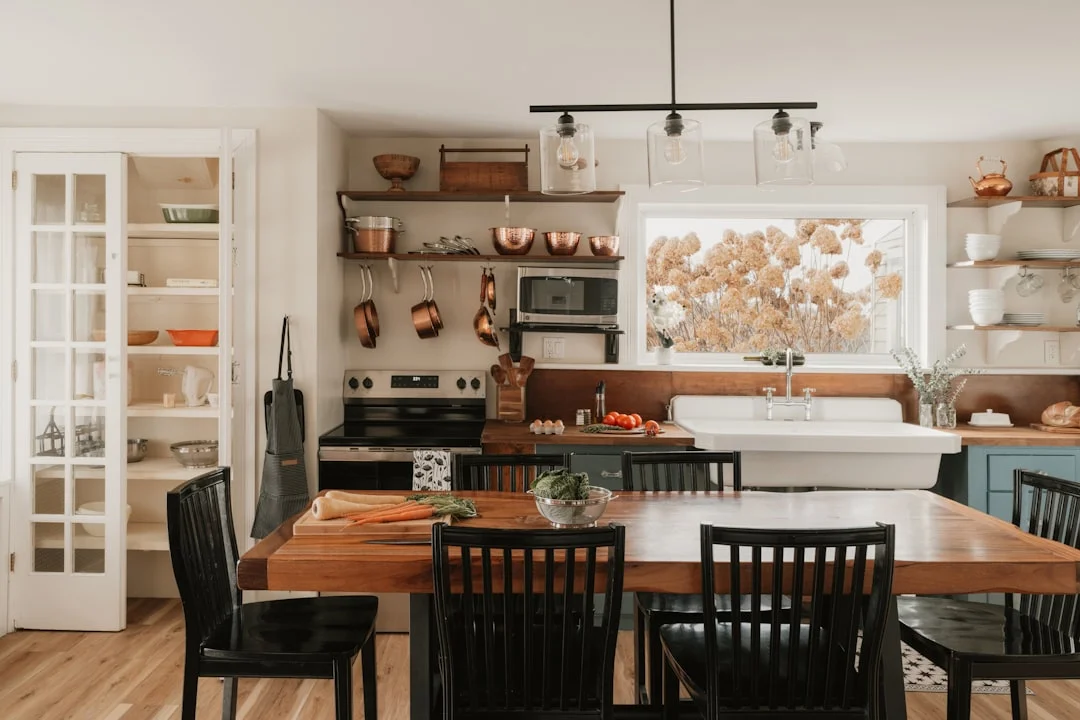
Contemporary environmental psychology and design thinking echo many Feng Shui principles, validating them through the lens of cognitive and emotional response. Our surroundings profoundly impact our mood, behavior, and cognitive function, which in turn influence our capacity to recognize and seize opportunities. A cluttered, disorganized environment has been shown to increase cortisol levels, induce stress, and reduce focus. This mental clutter directly impedes the clarity needed to identify opportunities. Conversely, a clean, orderly space promotes mental calm and systematic thinking. The Feng Shui "command position"—placing a desk so one can see the door without being directly in line with it—aligns with the psychological need for security and reduced subconscious vigilance, freeing mental resources for productive work. Natural light is another critical crossover. Modern science confirms that exposure to natural light regulates circadian rhythms, boosts vitamin D, and improves mood and alertness. Feng Shui has always prized bright, airy spaces for their abundant, vibrant Qi. A person who feels energized and positive is naturally more open, communicative, and proactive—traits that attract opportunity. Furthermore, the use of plants (the Wood element) not only improves air quality but also reduces stress and enhances creativity, fostering the growth mindset essential for recognizing potential. In practical terms, creating a dedicated, inspiring workspace at home, ensuring your front porch is inviting, or simply keeping your car tidy (a mobile space of opportunity) are all modern applications. They shape behavior by reducing friction, enhancing pride, and putting one in a proactive, ready state of mind.
Insights
- Position your primary workspace to face the room's entrance, which reduces subconscious anxiety and fosters a mindset of confident engagement with incoming projects and people.
- Regularly declutter the area around your front door and in your home office to symbolically and psychologically remove obstacles to new possibilities and clear mental space for innovative ideas.
- Incorporate a small water feature or a mirror in the northern area of your living space to energetically encourage the flow of beneficial connections and career-related prospects.
- Ensure your environment has a balance of active lighting for focused work and softer, ambient light for reflection, creating a rhythm that supports both initiative and receptive insight.
- Introduce healthy, upright plants in the eastern sector of your home to nurture the energy of new beginnings, personal growth, and the vitality needed to pursue fresh ventures.
Conclusion
Feng Shui, when understood as a system of environmental psychology and intentional design, offers a compelling approach to cultivating a life rich with opportunity. It suggests that opportunity is not merely a external force of luck, but a dynamic interaction between an individual's preparedness and the energetic quality of their surroundings. By applying its principles—managing Qi flow, balancing Yin and Yang, and harmonizing the Five Elements—we actively shape spaces that reduce stress, enhance clarity, and promote the positive, open demeanor that naturally draws people and possibilities toward us. The ultimate power lies not in mystical forces, but in the deliberate creation of an environment that supports our best selves, making us more perceptive, prepared, and proactive participants in our own journey.