We have all experienced it: walking into a room and immediately feeling a sense of depletion, a subtle drain on our energy that makes us want to leave. This sensation is often dismissed as mere mood, but from the perspective of traditional Chinese environmental arts and modern environmental psychology, it is a tangible response to the space itself. The feeling of being drained is not an illusion; it is a feedback loop between our internal state and the external environment. This article explores the ancient principles and modern understandings that explain why certain spaces sap our vitality and how we can interpret these energetic dynamics.
Core Concept
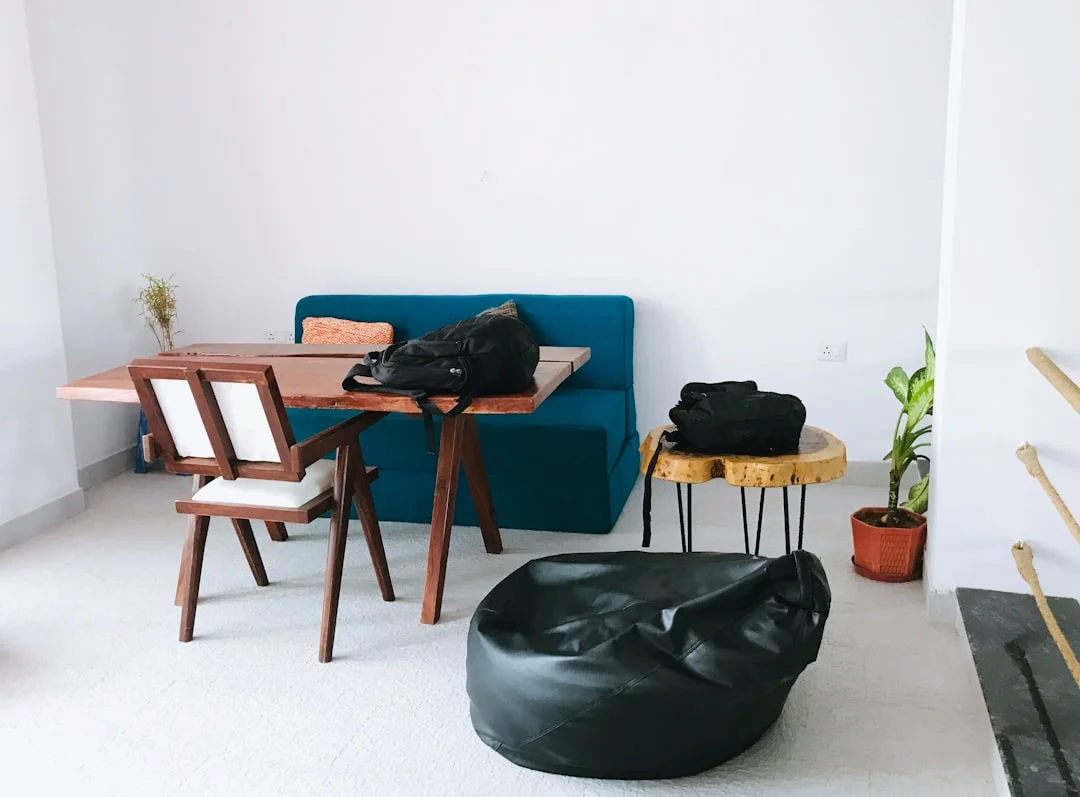
At the heart of this experience is the concept of Qi, or vital energy flow. In Feng Shui, a space is considered healthy and supportive when Qi can circulate smoothly, gently, and continuously. A room feels draining when this flow is disrupted, stagnant, or excessively chaotic. Think of Qi like air or water in a room; when it is fresh and moving, the space feels alive. When it is blocked or stale, the environment becomes oppressive. This disruption manifests in several ways. A room with poor physical circulation, such as blocked pathways or cluttered corners, creates stagnant Qi. Conversely, a room with too many straight lines, sharp angles, or long, narrow hallways can cause Qi to rush through too violently, scattering calm energy. The feeling of being drained often comes from our subconscious effort to compensate for this imbalance. We are subtly working against the environment, trying to maintain our own equilibrium in a space that works against it. Real-life examples include long, windowless corridors in office buildings, overly cluttered home offices, or living rooms where furniture is arranged in a confrontational manner, all of which can create a palpable sense of fatigue.
Traditional Feng Shui Perspective
Classical Feng Shui provides a detailed framework for diagnosing a draining space through the lenses of Yin-Yang balance, the Five Elements, and the meticulous observation of Qi pathways. The principle of Yin-Yang balance is fundamental. A draining room is often severely imbalanced. An excess of Yang—too much bright light, loud noise, sharp shapes, and heat—can overstimulate and exhaust. An excess of Yin—deep shadows, coldness, dampness, and utter silence—can lead to lethargy and depression. A supportive space harmonizes these forces: soft light with some shadow, warmth with air circulation, and sound-absorbing materials to soften noise. The Five Elements theory (Wood, Fire, Earth, Metal, Water) further refines the analysis. Each element represents a type of energy and shape. A room dominated by a single element or locked in a destructive cycle becomes draining. For instance, a bathroom (Water element) located in the center of a home (Earth sector) can symbolically "wash away" the stabilizing Earth energy, creating instability. A room with an overabundance of Metal (white walls, metal furniture, circular forms) without the warmth of Fire or Wood can feel cold and austere, draining emotional warmth. Qi flow is meticulously mapped. The ideal path is meandering and gentle. Key considerations include the placement of doors and windows, which are considered "mouths of Qi." A main door directly aligned with a large window or another door creates a "wind tunnel" effect, where beneficial Qi enters and flees immediately without nourishing the space. Structural beams overhead, especially above a bed or desk, are seen as creating oppressive pressure. The symbolism of layout is profound; a bed directly in line with the door (the "coffin position") is believed to create restless sleep because the occupant is subconsciously in a vulnerable, alert state, which is inherently draining over time.
Modern Interpretation
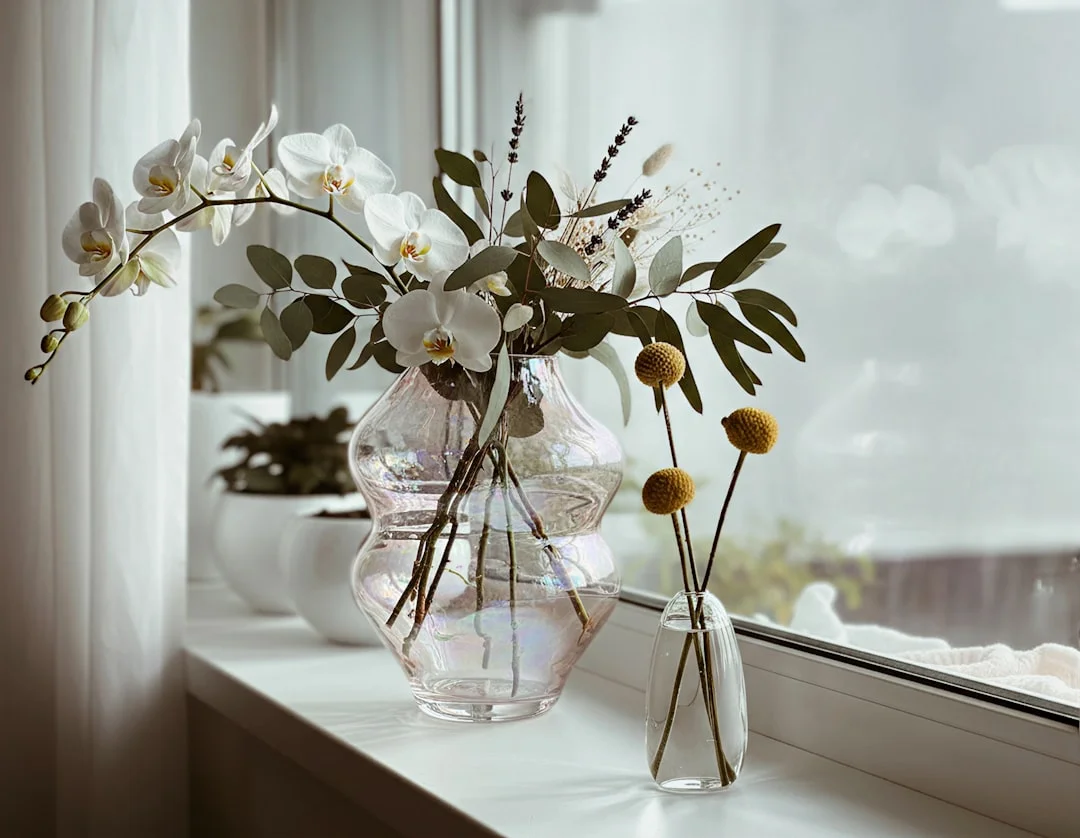
Modern environmental psychology and design principles arrive at remarkably similar conclusions without using traditional terminology, focusing instead on the measurable impact of space on human cognition, emotion, and physiology. A draining room often violates core principles of environmental psychology. Chronic low-level stress can be induced by poor ergonomics, visual chaos, or sensory overload. Clutter, for example, overwhelms our cognitive resources, forcing our brain to process irrelevant stimuli constantly, which leads to decision fatigue and mental exhaustion. A room with poor lighting, particularly a lack of natural light, disrupts circadian rhythms, affecting melatonin production and leading to low energy and poor mood. The impact on behavior is significant. A workspace with poor layout that inhibits collaboration or creates physical barriers can drain social energy and reduce productivity. A bedroom that doubles as a home office can drain restorative energy, as the brain associates the space with work stress, preventing true relaxation. Materials also play a role: synthetic materials that off-gas chemicals or spaces with poor air quality literally and figuratively drain vitality by increasing the body's detoxification burden. Practically, the "real-life meaning" of a draining room is that it actively works against your intentions. A living room meant for connection that feels cold will discourage gathering. A bedroom meant for rest that feels chaotic will promote insomnia. The space is not a neutral container but an active participant in your daily life, and when its design conflicts with its purpose, the result is a constant, subtle energy expenditure to bridge that gap.
Insights
- Strategically placing a piece of furniture or a tall plant can shield your resting area from a direct line of sight from the door, fostering a subconscious sense of security and reducing anxiety.
- Introducing a living plant or wooden furniture into a stark, metallic office can introduce the nurturing Wood element, countering mental rigidity and creative blocks.
- Ensuring your primary workspace receives natural light or using full-spectrum lighting can dramatically reduce eye strain and combat afternoon energy slumps.
- Committing to a weekly five-minute decluttering ritual for flat surfaces prevents stagnant energy from accumulating in corners and on desks.
- Balancing cool-toned wall colors with warm-textured fabrics like wool or velvet can correct a Yin-heavy room that promotes isolation and lethargy.
Conclusion
The experience of a draining room is a complex interplay between ancient principles of environmental energy and modern understandings of human psychology. Whether explained as disrupted Qi flow or as environmental stressors impacting our nervous system, the outcome is the same: a space that subtracts from our well-being rather than adding to it. By becoming aware of the balance of elements, the flow of movement, and the harmony of forms within our spaces, we move from being passive occupants to active cultivators of our environment. The goal is not superstitious arrangement but intentional design—creating spaces that resonate with support, clarity, and renewal, turning rooms that drain into spaces that sustain.