Many modern homes, despite being architecturally stunning and technologically advanced, can feel sterile, unwelcoming, or emotionally cold. This sensation goes beyond physical temperature; it is a psychological and energetic experience of discomfort within one's own sanctuary. While contemporary design often prioritizes clean lines, open spaces, and minimalist aesthetics, these very choices can inadvertently create environments that lack warmth and vitality. This phenomenon can be understood through the lens of traditional environmental wisdom, which examines how space shapes the flow of energy and, consequently, our inner state. By exploring the principles of Feng Shui and environmental psychology, we can decode why some spaces feel inhospitable and learn how to cultivate homes that nurture rather than deplete.
Core Concept
At the heart of this discussion is the concept of Qi, or vital life force energy. In environmental design, Qi represents the dynamic flow of energy through a space, influencing the atmosphere and the well-being of its inhabitants. A home that feels "cold" often suffers from stagnant, blocked, or excessively rapid Qi flow. This is not a mystical abstraction but a tangible quality perceived through our senses and emotions. For instance, a vast, empty room with bare white walls and a polished concrete floor may look striking, but it can cause Qi to scatter and dissipate, failing to gather and nourish. Conversely, a cluttered, narrow hallway blocks Qi, creating a sense of heaviness and restriction. The goal is to achieve a meandering, gentle flow of energy that circulates freely without rushing or becoming trapped, much like a serene stream moving through a landscape.
Traditional Feng Shui Perspective
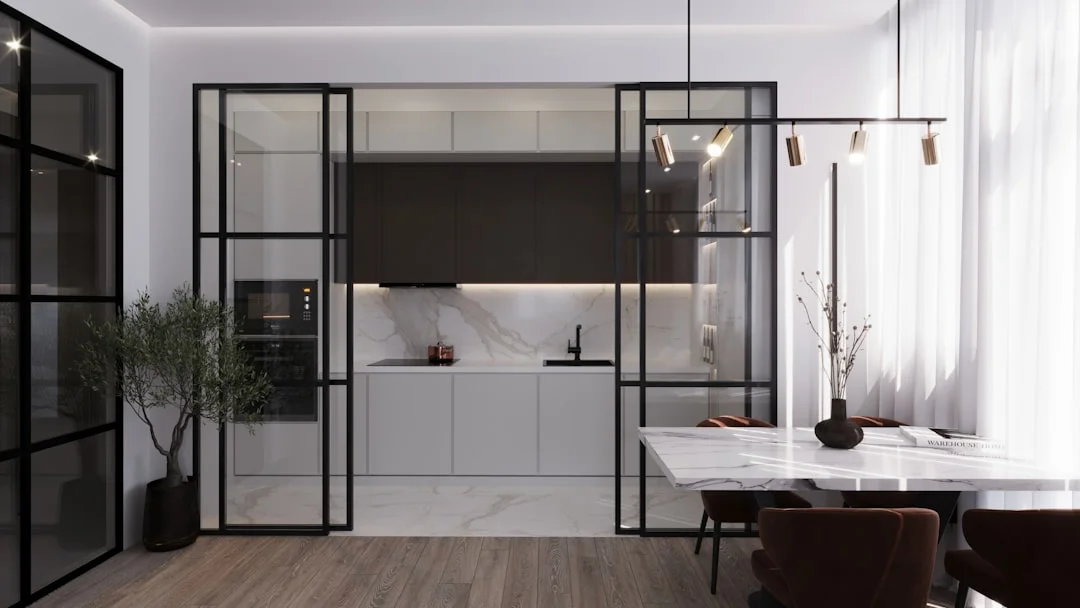
From a classical Feng Shui standpoint, a cold-feeling home typically exhibits a severe imbalance between Yin and Yang energies. Yang energy is active, bright, warm, and social, while Yin is receptive, soft, dark, and restorative. Modern design, with its emphasis on hard surfaces (glass, metal, concrete), cool color palettes (whites, grays), and abundant artificial light, often creates an overwhelming Yang dominance. This lacks the softening, nurturing quality of Yin. A healthy space requires a harmonious blend: the Yang of open areas balanced by the Yin of cozy corners; the Yang of lighting balanced by the Yin of shadow and texture. The Five Elements theory further elucidates this imbalance. A home overly dominated by the Metal element (manifested through white/gray colors, metallic finishes, and circular/oval shapes) and the Water element (black/blue colors, wavy forms, and reflective surfaces) will naturally feel cooler and more austere. These elements, while valuable for clarity and flow, lack the innate warmth of Fire (reds, oranges, triangles, candles) and Earth (browns, yellows, squares, ceramics). The generative cycle of the elements is disrupted; there is insufficient Wood (greens, columns, plants) to feed the Fire of warmth and social joy, leading to an environment that feels emotionally distant. Spatial harmony and Qi flow are also deeply affected by layout and symbolism. Long, straight corridors act as "Qi arrows," channeling energy too forcefully and creating a sense of aggression. High, vaulted ceilings in living areas can cause beneficial Qi to rise and disperse, making it difficult for occupants to feel grounded and connected. The classical concept of "embracing" or "protecting" forms is often missing; a home with a front door that opens directly onto a large window or a back wall allows Qi to enter and rush straight through without lingering to nourish the space. The symbolism is one of transience rather than stability and accumulation.
Modern Interpretation
Environmental psychology provides a scientific correlate to these ancient observations, studying how physical spaces directly impact human mood, cognition, and behavior. A home that feels cold often fails to meet fundamental psychological needs for safety, comfort, and belonging. The overuse of hard, reflective materials increases sound reverberation, creating a noisy, stressful acoustic environment that subconsciously keeps us on edge. A lack of textural variety—everything smooth, cool, and uniform—deprives our sense of touch and makes a space feel impersonal and unlived-in. The impact on mood and behavior is significant. Spaces devoid of personal artifacts, natural materials, and warm lighting can inhibit relaxation and social connection, making inhabitants feel more like observers in a gallery than participants in a home. Productivity may suffer in home offices that are too sterile, as creativity often requires a sense of comfort and inspiration. The lifestyle influence is clear: when a home does not provide a soft, restorative counterbalance to the often harsh, high-stimulus outside world, it contributes to chronic low-grade stress rather than alleviating it. The practical meaning is that our environments are not passive backdrops but active participants in our daily lives, shaping our emotional resilience and quality of interpersonal relationships.
Insights
- Introduce living plants and natural wooden furniture to incorporate the Wood element, which introduces organic vitality and softens the harsh lines of modern architecture.
- Layer multiple light sources with warm-toned bulbs at different heights to break up sterile overhead lighting and create pools of inviting, intimate illumination.
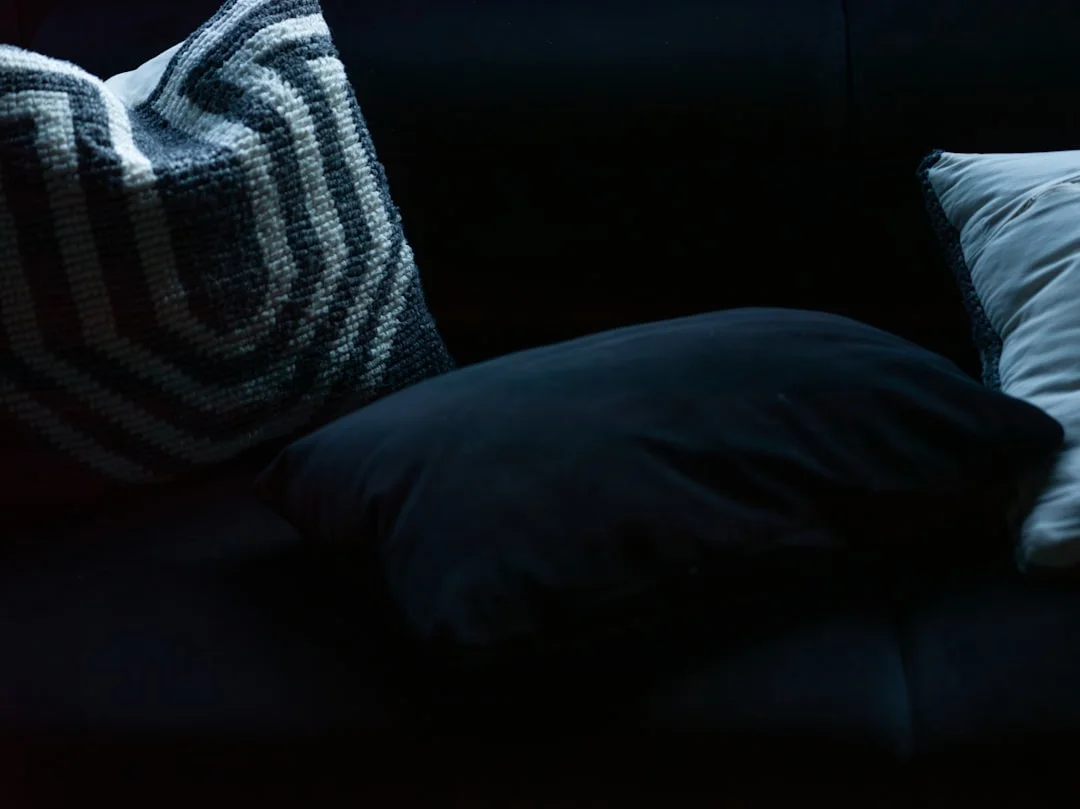
- Incorporate textiles like area rugs, curtains, and throw pillows in warm colors and varied textures to absorb sound, add visual weight, and provide necessary Yin balance.
- Use furniture arrangement to define smaller, conversation-friendly areas within large open-plan rooms, helping to gather and settle energy for comfort.
- Place a solid piece of furniture or a screen to block the direct line of sight from the main entrance through to a large window, symbolically encouraging Qi to linger.
Conclusion
The feeling of coldness in a modern home is ultimately a symptom of environmental imbalance, where aesthetics have been prioritized over atmospheric vitality. By integrating the timeless principles of Feng Shui—specifically the pursuit of Yin-Yang harmony, a balanced Five Elements palette, and a nurturing Qi flow—with the insights of modern environmental psychology, we can transform sterile spaces into sanctuaries. The objective is not to reject contemporary design but to enrich it, adding layers of sensory experience and symbolic meaning that resonate with our innate need for warmth, comfort, and connection. A truly successful home is not just visually impressive but feels profoundly and personally welcoming.