Living in a compact space presents unique challenges and opportunities for creating a harmonious environment. While traditional Feng Shui often discusses expansive homes and grand layouts, its core principles are remarkably adaptable to tiny homes, apartments, and studio dwellings. The essence of Feng Shui is the intentional cultivation of positive energy flow, or Qi, within a space to support the well-being of its inhabitants. In a small footprint, every design decision carries greater weight, making Feng Shui not a luxury but a practical framework for enhancing comfort, functionality, and peace. This article explores how ancient principles of balance, energy, and elemental harmony can be skillfully applied to create a nurturing and efficient tiny home.
Core Concept
The core concept for applying Feng Shui to tiny homes is the principle of "contained flow." In a large space, Qi can meander; in a compact one, it must circulate without becoming stagnant or chaotic. This represents the need for both movement and calm within a confined area. The layout, objects, and colors in a tiny home directly influence the quality of energy, which in turn impacts feelings of openness versus confinement, clarity versus clutter, and restfulness versus agitation. How it influences energy is immediate and palpable. Blocked pathways or overcrowded surfaces create stagnant Qi, leading to a sense of frustration and stuck energy. Conversely, a space that is too sparse or has energy racing in straight lines can feel unsettling and fail to provide grounding. The goal is to achieve a gentle, meandering flow that touches all areas, bringing vitality while also allowing for pockets of stillness. Real-life examples include a studio apartment where the bed, desk, and kitchen are all visible from one point. Without thoughtful zoning, the energy of work (desk) and the energy of rest (bed) clash, disrupting sleep and focus. Another example is a tiny home with a single, long hallway; if left bare, Qi speeds down it like a wind tunnel, but if obstructed, it stops dead. The art lies in managing these energetic relationships within a minimal square footage.
Traditional Feng Shui Perspective
From a classical standpoint, tiny homes demand a masterful application of foundational theories. The primary focus is on achieving a dynamic Yin-Yang balance in a limited canvas. Yang energy—active, bright, and stimulating—is necessary for areas like the kitchen or a workspace. Yin energy—receptive, soft, and calm—is crucial for sleeping and relaxation areas. In an open-plan tiny home, creating distinct Yin and Yang zones through subtle boundaries like area rugs, different lighting levels, or a change in texture is essential to prevent the energies from conflicting and depleting the occupants. The Five Elements theory (Wood, Fire, Earth, Metal, Water) becomes a tool for creating visual and energetic depth. In a large home, elements can be expressed through substantial furniture or architectural features. In a tiny home, they are introduced through color, shape, and material in a more curated way. A single green plant (Wood), a red cushion (Fire), a terracotta pot (Earth), a metal frame (Metal), and a small tabletop fountain or a reflective surface (Water) can all be incorporated modestly. The key is to ensure no single element dominates and that they are arranged in a productive cycle to support a harmonious atmosphere. Qi flow and spatial harmony are paramount. The ancient concept of the "command position"—placing key furniture like the bed or desk in a location that faces the room's entrance without being directly in line with the door—is critically important in a small space. This position fosters a sense of security and control, which is often challenged in compact living. Furthermore, the symbolism of layout emphasizes the need for a clear and unobstructed "mouth of Qi" (the entrance). A cluttered or difficult-to-open front door immediately hinders the influx of fresh energy into the entire home.
Modern Interpretation
Through the lens of modern environmental psychology, Feng Shui for tiny homes translates into designing for cognitive and emotional well-being. The impact of space on mood and behavior is amplified when one cannot physically distance oneself from disorganized or stressful environmental cues. A kitchen sink full of dishes visible from the bed can subconsciously elevate stress levels, demonstrating how Feng Shui's push for clear boundaries aligns with psychological needs for order and separation of activities. The principles directly influence productivity, stress, and lifestyle. A dedicated, well-organized workspace, even if it's just a specific corner, signals to the brain that it is time to focus, thereby enhancing productivity. The use of mirrors to visually expand a space is not just a Feng Shui trick for improving Qi flow; it is a psychological tool to reduce feelings of claustrophobia and increase perceived personal space. The insistence on removing clutter is supported by research showing that visual clutter competes for attentional resources, increasing cognitive load and stress. The practical real-life meaning is that Feng Shui becomes a system for intentional living. It encourages inhabitants to critically assess every possession for its utility and joy, mirroring minimalist philosophies. It provides a framework for making design choices—from the direction of a sofa to the color of a wall—that are not merely aesthetic but are intended to support specific life domains, such as rest, relationship harmony, or creative inspiration, all within a highly efficient footprint.
Insights
- Use multifunctional furniture with rounded edges to promote smooth energy flow and prevent the harsh, cutting feel of sharp corners in a confined area.
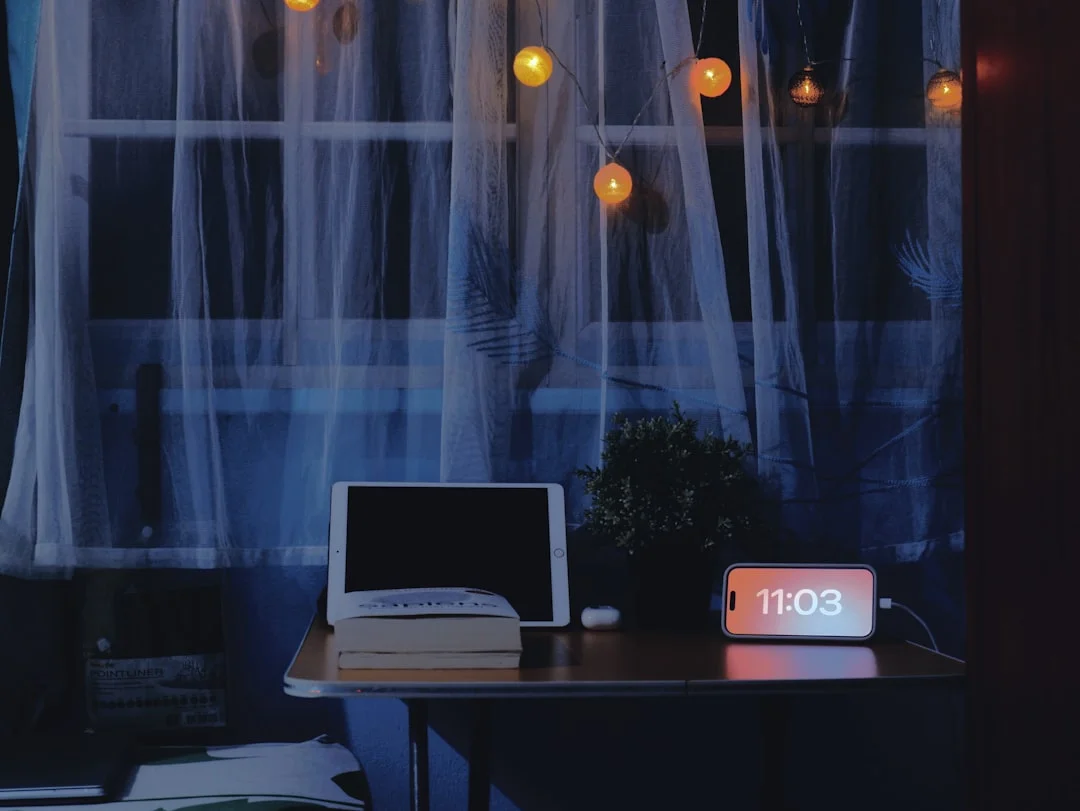
- Incorporate a minimum of three distinct light sources with dimmers to create layered lighting that can alter the room's energy from active Yang to restful Yin as needed.
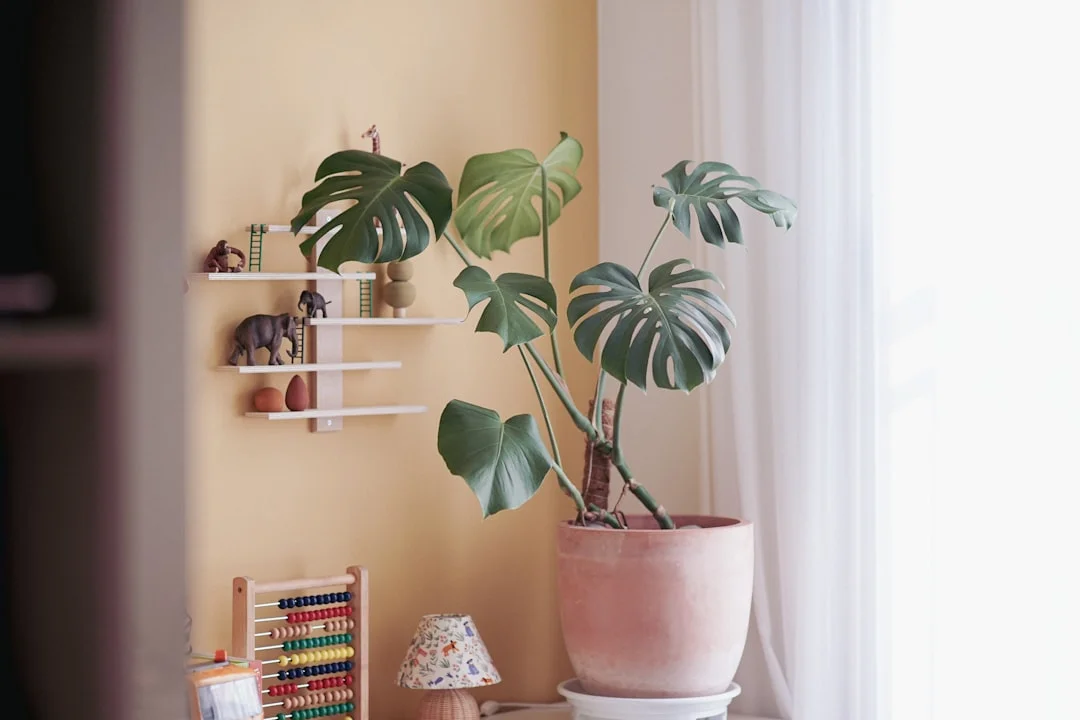
- Select a dominant color palette based on the nurturing Earth element tones, like soft yellows or warm neutrals, to create a grounded and expansive feeling in a small space.
- Ensure there is always a clear, unobstructed pathway between all main furniture pieces to symbolize and facilitate the continuous movement of positive energy throughout your home.
- Place a small, symbolic anchor piece like a stable sculpture or a healthy plant in the far left corner from your entrance to strengthen the energy associated with stability and family.
Conclusion
Feng Shui for tiny homes is less about imposing rigid rules and more about applying timeless principles of energy management to modern constraints. It demonstrates that the quality of a space is not determined by its size but by the intentionality of its design. By focusing on the balance of Yin and Yang, the harmonious interaction of the Five Elements, and the cultivation of smooth, nourishing Qi flow, even the most compact dwelling can be transformed into a sanctuary that supports, comforts, and inspires its inhabitants. Ultimately, these practices offer a path to living more mindfully and harmoniously within any space we call home.