The spaces we inhabit are far more than physical shelters; they are dynamic environments that interact with our well-being on subtle yet profound levels. Feng Shui, the ancient Chinese art of placement, offers a sophisticated framework for understanding this interaction. It teaches that by making intentional adjustments to our surroundings, we can cultivate a flow of positive energy, or Qi, that supports health, harmony, and vitality. This article explores specific Feng Shui changes that can transform a space from merely functional to genuinely uplifting, blending timeless principles with contemporary environmental awareness.
Core Concept
At its heart, Feng Shui is the study of how environmental forces—the layout of a space, the arrangement of objects, and the interplay of natural elements—affect the circulation of life force energy, known as Qi. The core objective is to create environments where Qi can flow smoothly and beneficially, rather than becoming stagnant, blocked, or chaotic. This harmonious flow is believed to positively influence the occupants' fortune, health, and emotional state. A space with positive vibes is one where the energy feels alive, balanced, and inviting. For instance, a living room with a clear path to walk, comfortable yet purposeful furniture placement, and a balance of light and living elements typically feels good to be in. Conversely, a hallway cluttered with boxes, a desk facing a solid wall, or a bedroom dominated by sharp, angular furniture can create subconscious friction and drain one's energy. Feng Shui provides a language and a set of tools to diagnose and remedy these energetic imbalances, turning any space into a supportive ally for daily life.
Traditional Feng Shui Perspective
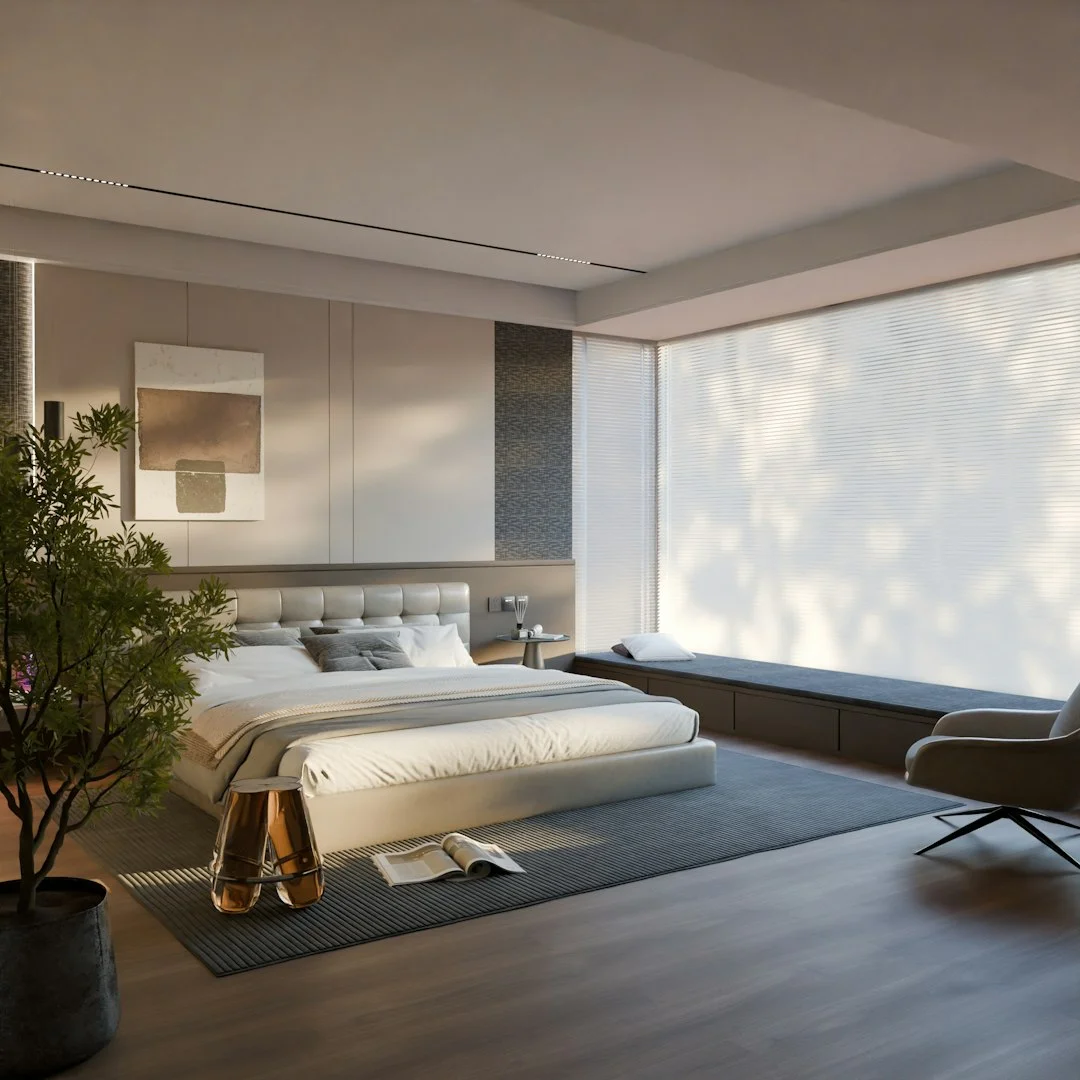
From a classical viewpoint, positive energy is cultivated through the meticulous application of foundational theories. The goal is to create a microcosm that mirrors the harmonious order of the natural world. Yin-Yang balance in space is paramount. Every environment needs a healthy mix of Yin (passive, soft, dark, quiet) and Yang (active, hard, bright, loud) qualities. A home that is overly Yang—with excessive bright lighting, loud colors, and constant activity—can lead to stress and insomnia. One that is overly Yin—too dark, quiet, and still—can foster lethargy and low mood. A balanced bedroom, for example, would have Yin qualities for rest (soft bedding, muted colors, darkness) but a touch of Yang for vitality (a living plant, a small amount of natural light). Five Elements interactions provide a symbolic system for creating harmony. The elements—Wood, Fire, Earth, Metal, and Water—must be present in a supportive cycle to generate positive Qi. An imbalance, such as an excess of Fire (too much red, triangular shapes, excessive heat) in a home office, could manifest as irritability and conflict. Introducing the Water element (a small fountain, a black or deep blue accent, wavy shapes) can symbolically cool and balance the space, promoting clearer thinking and calm communication. Qi flow and spatial harmony are assessed through the layout. The ancient "Bagua" map is a key tool, overlaying nine life areas onto a floor plan. The main entrance, considered the "mouth of Qi," should be welcoming and unobstructed to allow energy to enter freely. Furniture, especially beds and desks, should be in a "command position"—diagonally facing the door without being directly in line with it—providing a sense of security and awareness. Long, straight hallways are seen as channels for rushing Qi, which can be slowed with a rug, artwork, or a gentle curve introduced by a plant.
Modern Interpretation
Contemporary perspectives often translate these ancient principles into the language of environmental psychology and design ergonomics. The positive vibes sought through Feng Shui align closely with modern understandings of how space impacts human psychology, behavior, and physiology. Environmental psychology confirms that our surroundings directly affect our mental state. The Feng Shui principle of decluttering, for instance, finds resonance in the psychological burden of visual chaos, which can increase cortisol levels and reduce focus. A clear, organized space literally clears the mind. The command position for a desk aligns with research on "prospect and refuge," where humans feel most comfortable and productive in spaces where they have a clear view of their environment (prospect) while feeling protected from behind (refuge). The impact on mood and behavior is significant. Incorporating natural elements—a core Feng Shui practice known as bringing in the "Wood" element—is strongly supported by biophilic design research. Exposure to plants, natural light, and organic materials reduces stress, enhances creativity, and improves cognitive function. Similarly, the mindful use of color psychology (a modern correlate to the Five Elements theory) can be used to create desired atmospheres: calming blues in a bedroom, energizing yellows in a kitchen, or grounding earth tones in a common area. From a practical lifestyle standpoint, these changes create environments that support daily routines. A well-lit, airy kitchen with tools easily accessible (good Qi flow) makes cooking a joy rather than a chore. A bedroom optimized for rest (strong Yin balance) directly improves sleep quality. A home office arranged for focus and inspiration (balanced elements and command position) enhances productivity and reduces work-related anxiety. The positive vibes are thus not mystical but experiential, arising from spaces that are intuitively aligned with human needs.
Insights
- Placing your bed or desk in a command position, where you can see the door without being directly in line with it, fosters a subconscious sense of security and control in your personal or professional life.
- Introducing a balanced representation of the Five Elements through color, shape, and material can correct emotional and energetic imbalances within a room, such as using earthy tones to stabilize a space that feels chaotic.
- Ensuring a clear and welcoming pathway from your front door into the home invites positive opportunities and prevents beneficial energy from becoming stuck at the entrance.
- Regularly decluttering and organizing your spaces, especially corners and storage areas, prevents the stagnation of energy that often manifests as procrastination or feeling stuck in life circumstances.
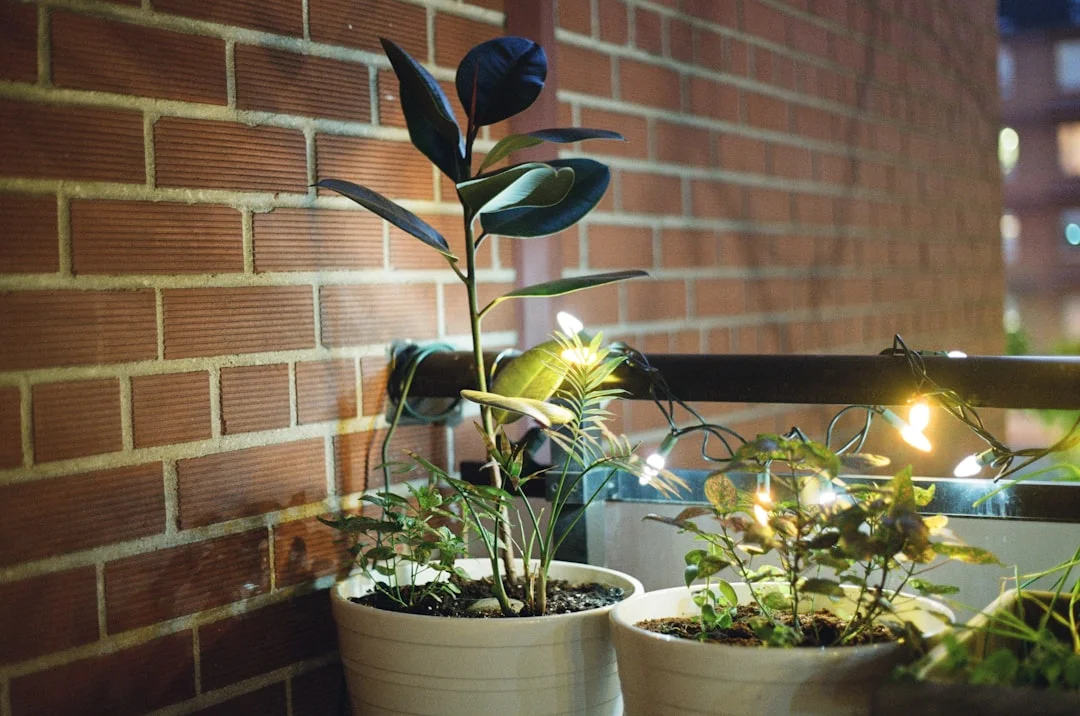
- Incorporating living plants and maximizing natural light in dark or stagnant corners actively revitalizes the Qi and directly improves air quality and mood.
Conclusion
Feng Shui changes that bring positive vibes are ultimately about intentional design and mindful living. They bridge the wisdom of observing natural harmonies with a modern desire for holistic well-being. By understanding the flow of energy, balancing opposing forces, and symbolically engaging with the elements, we can curate environments that do not just house us but actively nurture us. The result is a tangible shift in atmosphere—a home or workspace that feels more peaceful, more vibrant, and more supportive of the life you wish to lead. The positive vibes are the natural outcome of a space in energetic harmony with its inhabitants.