The contemporary home often champions clean lines, minimalist forms, and a neutral palette, creating spaces that feel calm and uncluttered. At first glance, this aesthetic might seem at odds with the ancient, nature-based principles of Feng Shui. However, the core of Feng Shui is not about ornate Chinese decor; it is the art of arranging living spaces to create harmony and balance with the natural world. Modern design, when approached with intention, provides a perfect canvas for applying these timeless principles. The fusion lies not in adding traditional artifacts, but in mindfully integrating the fundamental concepts of energy flow, elemental balance, and spatial psychology into a sleek, contemporary setting. This article explores how to weave the wisdom of Feng Shui into modern decor to create homes that are not only stylish but also nurturing and energetically supportive.
Core Concept
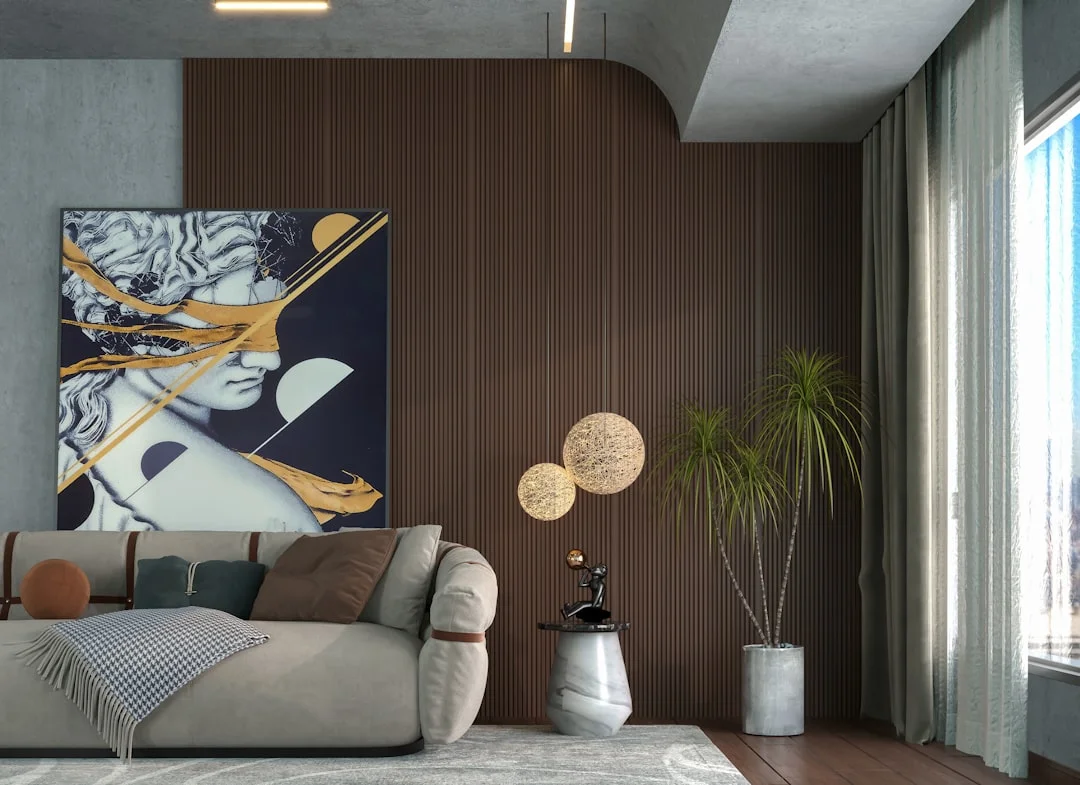
The core concept of merging modern style with Feng Shui revolves around the intentional design of space to cultivate positive Qi, or life force energy, while adhering to contemporary aesthetics. Qi should move in a gentle, meandering path throughout a home, nourishing each area without becoming stagnant or rushing too quickly. Modern design, with its open floor plans and preference for simplicity, offers a unique opportunity to manage this flow. A vast, empty room with hard surfaces, however, can cause Qi to scatter. Conversely, a space crammed with angular furniture and sharp artwork can create chaotic, cutting energy. The goal is to use modern decor elements—furniture, art, lighting, and materials—to guide and soften the Qi, creating a space that feels both dynamic and deeply restful. In practice, this means a minimalist living room is not merely empty; it is carefully curated with a single, impactful piece of art to anchor the energy, a rounded rug to define and soften the area, and living plants to introduce vibrant, growing Qi.
Traditional Feng Shui Perspective
From a classical Feng Shui standpoint, every environment is a interplay of Yin and Yang energies and the Five Elements. Modern design often leans heavily toward Yang: bright, open, hard, angular, and active. The challenge and art of fusion is to introduce complementary Yin qualities—softness, darkness, receptivity, and curves—to achieve equilibrium. The Five Elements theory (Wood, Fire, Earth, Metal, Water) is a foundational tool for this balance. Modern interiors naturally express the Metal element through metallic finishes, white or gray color schemes, and spherical or oval shapes. They also express Earth through square forms, low furniture, and sandy or beige tones. The risk is an overabundance of these elements, creating a space that feels cold, rigid, or stagnant. The traditional perspective instructs us to introduce the missing elements to create a generative cycle of energy. The Water element (represented by black, deep blue, or wavy, irregular forms) can be introduced through a dark accent wall or a freeform sculpture. The Wood element (green, brown, columnar shapes) is brought in with vertical plants or striped patterns. The Fire element (red, orange, triangular shapes, and actual light) can be carefully added through a vibrant cushion, a triangular art piece, or a statement candle. The direction of a room also matters; for instance, the Southeast is traditionally associated with Wood and wealth, making it an ideal location for a healthy plant in a modern ceramic pot. Qi flow is paramount. Traditional Feng Shui emphasizes the "commanding position," where key furniture like beds and desks are placed diagonally opposite the door, without being in direct line with it, allowing occupants to see the entrance while being supported by a solid wall. This principle translates seamlessly into modern layouts, ensuring a sense of security and control. Clutter, the arch-enemy of good Qi, is addressed by modern minimalism, but the Feng Shui intent is deeper: every item should have purpose and bring joy, preventing energetic stagnation.
Modern Interpretation
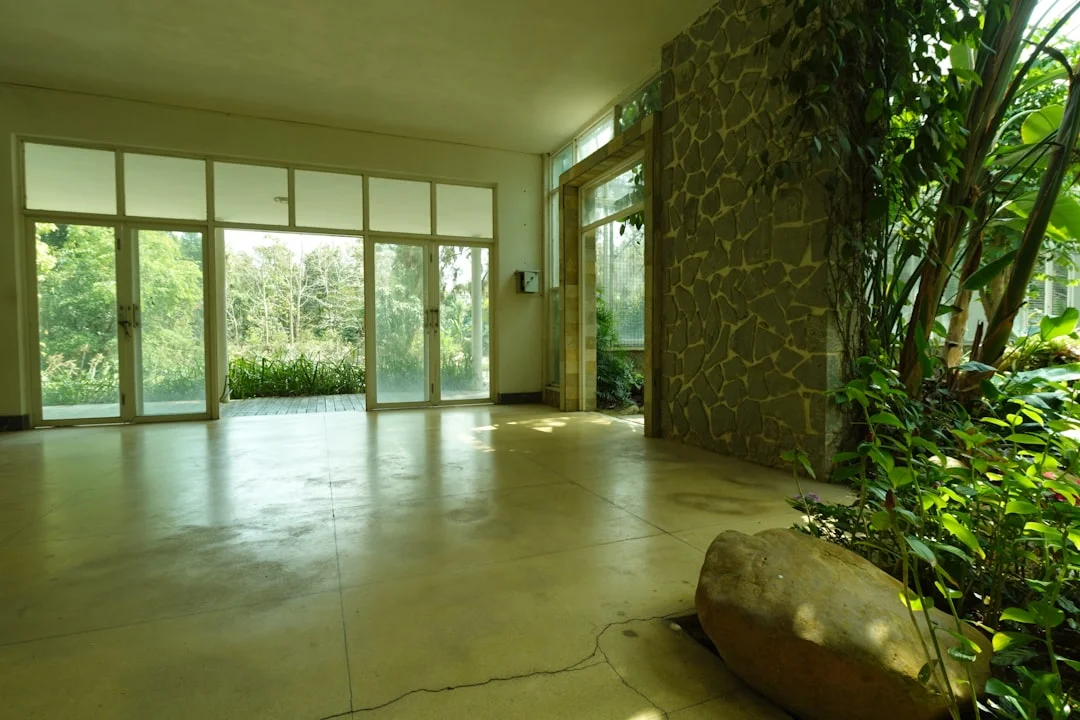
Through the lens of environmental psychology and modern well-being, Feng Shui principles become evidence-based strategies for enhancing daily life. The modern interpretation focuses less on symbolic fortune and more on measurable impacts on mood, cognitive function, and stress levels. The management of Qi flow correlates directly with air quality, lighting, and circulation. A space with good Qi flow is, in practical terms, a space with clean air, abundant natural light, and a logical, unobstructed floor plan that reduces subconscious anxiety. The emphasis on the commanding position is supported by psychology; placing your bed or desk in a secure spot reduces the brain's latent threat detection, lowering cortisol levels and improving sleep quality and focus. The balance of Yin and Yang addresses our need for both stimulation and restoration. A home office that is all Yang (bright, angular, hard) can lead to mental fatigue. Introducing Yin elements—a soft throw, a rounded desk lamp, a darker color for a feature wall—creates a more balanced environment conducive to sustained productivity. Similarly, a bedroom that is too Yin (dark, overly soft, and cluttered) can feel depressing; strategic Yang elements like good task lighting or a crisp, white duvet can provide the necessary energetic lift. The Five Elements system offers a sophisticated palette for influencing emotion and behavior. Incorporating Wood elements (plants, vertical lines) in a home office can foster growth and creativity. Adding touches of Fire (warm lighting, a red accent) in a social dining area can stimulate conversation and warmth. This is not mystical thinking; it is the intentional use of color, form, and texture to create desired psychological atmospheres, aligning perfectly with modern interior design's goals.
Insights
- Anchor a minimalist room with a single, large piece of organic art or a textured rug to prevent positive energy from becoming dispersed and to create a visual focal point for the space.
- Introduce the Wood element through tall, healthy indoor plants in simple geometric planters to purify the air, soften architectural lines, and promote a sense of vitality and growth within a modern setting.
- Use layered lighting with dimmers to master the balance of Yang (bright, task-oriented light) and Yin (soft, ambient glow), allowing you to alter the room's energy to suit different activities and times of day.
- Select furniture with rounded edges and organic curves to soften the predominant Yang energy of modern architecture and guide a more gentle, harmonious flow of movement and energy throughout your home.
- Employ the Water element symbolically through a mirror placed to reflect a beautiful view or a piece of abstract art with flowing lines, enhancing a sense of depth, calm, and abundance without needing literal water features.
Conclusion
The marriage of modern style and Feng Shui is a profound and natural synergy. It moves beyond superficial decoration to the intentional crafting of environment. Modern aesthetics provide the clean slate—the open space, the uncluttered surfaces—while Feng Shui provides the ancient wisdom on how to fill that space with purpose, balance, and flowing energy. By applying principles of Qi flow, Yin-Yang balance, and the Five Elements through a contemporary lens, we create homes that do more than look good in photographs. They become sanctuaries that support our well-being, reduce stress, foster connection, and inspire us. The result is not a home that looks "Feng Shui'd" in a traditional sense, but one that feels inherently right—a truly modern habitat designed for holistic living.