The concept of warmth in a space transcends mere physical temperature; it encompasses a feeling of comfort, welcome, and vitality. A truly warm space invites you in, makes you feel at ease, and supports your well-being. While modern design often relies on textiles and lighting to create this effect, the ancient art of Feng Shui offers a profound and holistic framework for cultivating warmth by intentionally shaping the flow of energy, or Qi, within an environment. This practice is not about superstition, but about creating spatial harmony that resonates with our innate psychological and physiological needs. By understanding and applying its core principles, we can transform any area from feeling cold and sterile to being nurturing and energetically supportive.

Core Concept
In Feng Shui, "warming up a space" fundamentally means activating and nurturing the flow of positive, nourishing Qi to create an environment that feels supportive, secure, and alive. This is achieved by addressing the balance of energies within a room, ensuring they are neither stagnant nor overly chaotic. A space with good, warm energy promotes relaxation, connection, and a sense of being grounded. What a warm space represents is a sanctuary—a place where the external world's demands can soften, allowing for restoration. It influences energy by encouraging the smooth, meandering movement of Qi, much like a gentle stream, rather than allowing it to rush in straight lines or become stuck in corners. This harmonious flow directly impacts our subconscious, making us feel more at peace and less on edge. Real-life examples of such environments include a living room where people naturally gather and converse comfortably, a bedroom that feels instantly relaxing upon entry, or a kitchen that feels inviting and abundant. These are spaces where you instinctively want to spend time, not because of expensive decor, but because of an intangible, comforting atmosphere.
Traditional Feng Shui Perspective
From the classical viewpoint, warming a space is a deliberate act of balancing Yin and Yang and harmonizing the Five Elements. It is a practice rooted in observation of the natural world and its cycles. Yin-Yang Balance in Space: A space that feels too cold often has an excess of Yang (hard, bright, fast, angular) or an excess of Yin (dark, still, isolated). True warmth arises from a dynamic balance. For instance, a room with large windows (Yang) needs soft textiles and rounded forms (Yin) to balance the intensity. A dark, quiet room (Yin) requires strategic lighting and a touch of vibrant life, like a plant (Yang), to awaken it without overwhelming it. Five Elements Interactions: The Five Elements—Wood, Fire, Earth, Metal, and Water—are foundational. To generate warmth, the Fire and Earth elements are particularly influential. The Fire element introduces the spark of joy, passion, and social connection through colors like red, orange, and purple, triangular shapes, candlelight, and imagery of sunlight. The Earth element provides stability, nourishment, and grounding, represented by square shapes, earthy tones like terracotta and yellow, and ceramic or stone materials. A warm space skillfully weaves these elements together, perhaps using a wooden table (Wood) with a terracotta vase (Earth) holding a few red flowers (Fire). Qi Flow and Spatial Harmony: Stagnant Qi feels cold and dead. Feng Shui emphasizes the importance of allowing Qi to enter a space gently and circulate freely. This means ensuring entryways are clear and inviting, avoiding furniture that blocks pathways, and using rounded corners instead of sharp angles that create "poison arrows" or cutting Qi. The arrangement should feel open yet protected, with furniture positioned to allow occupants to see the door without being directly in line with it, fostering a sense of security and relaxation. Symbolism of Layout, Direction, and Structure: In classical schools, the southern sector of a home is associated with the Fire element and the energy of recognition and warmth. Enhancing this area with appropriate colors, lighting, or symbols of vitality can boost the overall "warmth" energy of the dwelling. The central area of a floor plan is connected to Earth, representing health and stability; keeping this area clean, well-lit, and free of clutter is considered crucial for the overall warmth and wellness of the household.
Modern Interpretation
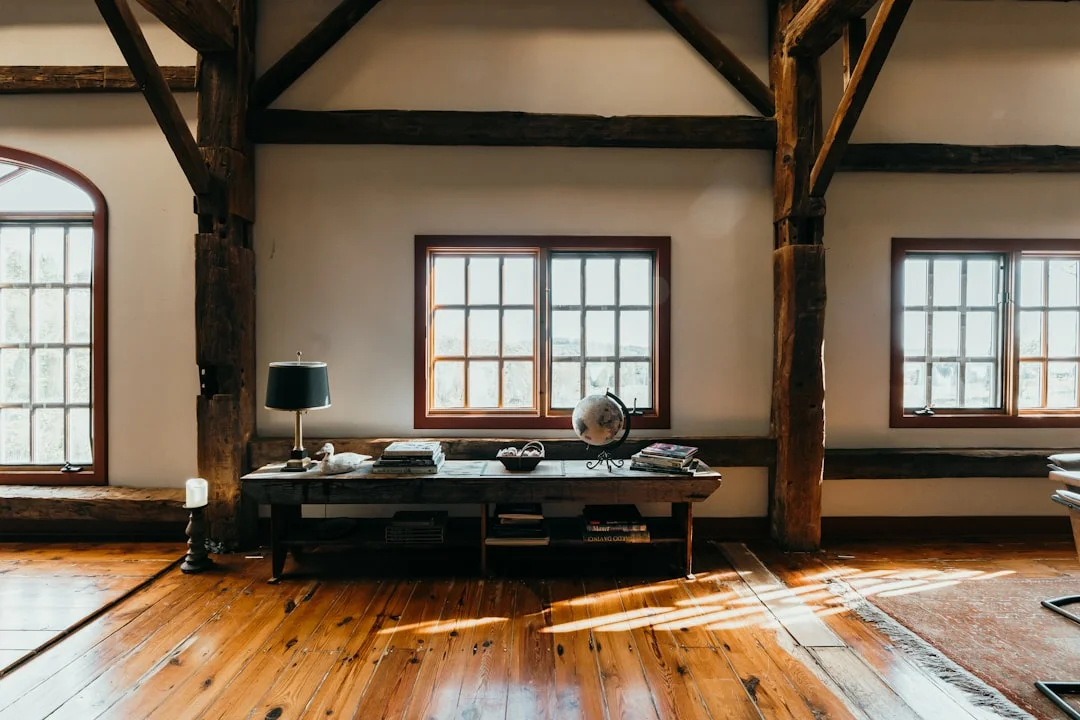
Today, we can understand these ancient principles through the lens of environmental psychology and sensory design. The goal remains the same: to create spaces that positively influence our mood, behavior, and overall well-being. Environmental Psychology: Our surroundings have a direct psychological impact. A cluttered, dimly lit room with poor air circulation can subconsciously increase anxiety and fatigue. Conversely, a space with good natural light, living plants, comfortable seating arrangements, and a pleasing color palette triggers psychological responses associated with safety and contentment. Feng Shui provides a structured system for achieving these psychologically supportive conditions. Impact on Mood and Behavior: A warmed-up space directly affects our emotional state. Soft, diffuse lighting lowers cortisol levels, while harsh overhead lighting can increase stress. Organic shapes and natural materials are processed by our brains as non-threatening, promoting relaxation. A welcoming entryway sets a positive tone for the entire home, affecting how residents and guests feel upon arrival. Productivity, Stress, and Lifestyle Influence: Warmth is not solely for relaxation; it also supports focused productivity and healthy social interaction. A home office warmed with wood tones, good task lighting, and a comfortable chair reduces mental fatigue. A dining area that feels warm and inviting encourages family meals and conversation, strengthening social bonds. By intentionally designing our spaces to reduce environmental stressors, we foster a lifestyle that is more balanced and less draining. Practical Real-life Meaning: For the modern individual, applying these principles is highly practical. It means choosing a sofa with a soft fabric instead of cold leather, placing a rug to define and soften a seating area, using multiple light sources at different heights instead of one bright ceiling light, and incorporating personal items that spark joy in a curated, not cluttered, way. It is mindful interior design with a focus on holistic experience.
Insights
- Introduce the dynamic Fire element through movable light sources like candles or a salt lamp to instantly add a focal point of warm, living energy to any stagnant corner.
- Ground your seating area with an Earth-element rug in warm, natural tones to create a visual and energetic foundation that makes the space feel secure and inviting.
- Ensure your primary social spaces have furniture arranged in circular or octagonal formations to promote the equal, harmonious flow of conversation and connection among occupants.
- Balance the strong Yang energy of electronic devices and sharp architectural lines with soft Yin textiles such as curtains, throws, and cushions to prevent a space from feeling overly stimulating.
- Activate the welcoming Qi of your entryway by keeping it impeccably clean, well-lit, and adorned with a single beautiful object, setting a warm tone for the entire home.
Conclusion
Warming up a space through Feng Shui is an integrative practice that moves beyond superficial decoration to address the foundational energy of an environment. It is the art of cultivating a nurturing atmosphere by harmonizing light and shadow, balancing elemental influences, and guiding the flow of Qi to support our well-being. This ancient wisdom, when interpreted through a modern lens, offers timeless and practical strategies for creating homes and workplaces that do not just look good, but truly feel good—spaces that offer genuine comfort, foster connection, and provide a sanctuary from the outside world. By applying these principles, we take an active role in shaping our surroundings to support a warmer, more balanced life.