Motivation is a complex internal force, yet it is profoundly shaped by our external surroundings. The ancient Chinese practice of Feng Shui offers a sophisticated framework for understanding this relationship, positing that the arrangement and quality of our spaces directly influence the flow of vital energy, or Qi, within us. When our environment supports vibrant, focused, and uplifting energy, our own drive and enthusiasm are naturally enhanced. This article explores how applying Feng Shui principles to your living and working spaces can create a foundation for sustained motivation, moving beyond mere decoration to intentional environmental design that actively supports your goals and ambitions.
Core Concept
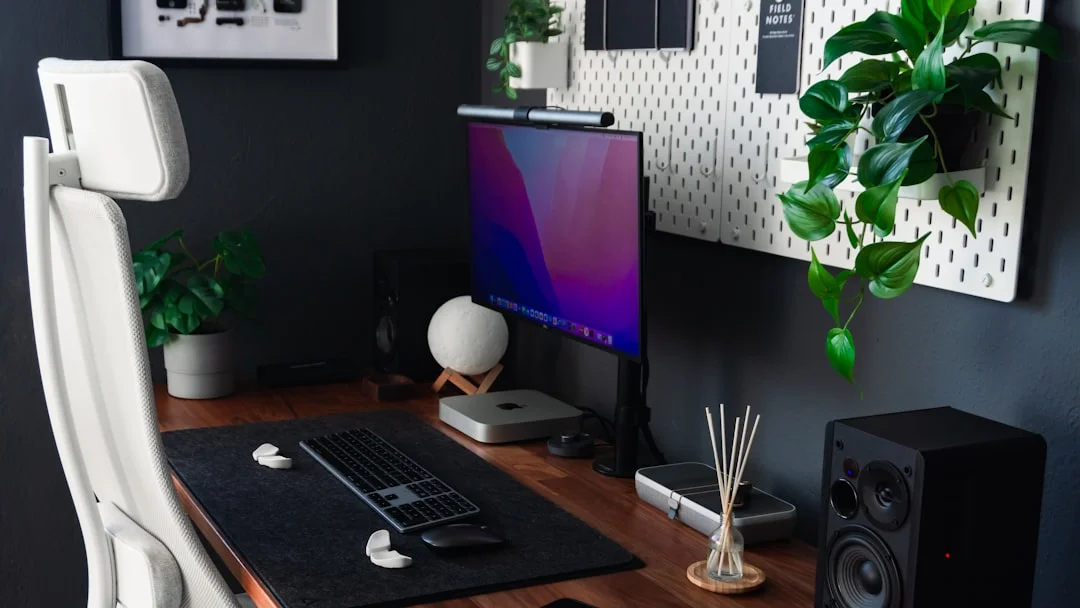
At its heart, Feng Shui is the art of arranging your environment to harmonize with the natural flow of energy. In the context of motivation, the core concept revolves around cultivating spaces that generate and sustain "Sheng Qi," or nourishing, life-giving energy. This is the energy of growth, activity, and positive forward movement. Conversely, stagnant, chaotic, or draining energy, known as "Si Qi" or "Sha Qi," can suppress ambition and foster procrastination. A space that improves motivation is one where Qi can enter, circulate freely, and accumulate gently without being rushed or blocked. This involves considering the layout, the placement of key furniture like desks and beds, the quality of light and air, and the presence of meaningful, uplifting objects. For example, a home office with a solid wall behind the desk, a clear view of the door, ample natural light, and organized, clutter-free surfaces creates a sense of security, control, and clarity. This environment supports focused work by allowing energy to flow smoothly around the occupant, reducing subconscious distractions and fostering a sense of capability. In contrast, a desk crammed into a dark corner, facing a wall, or buried under piles of paper creates blocked energy, leading to feelings of being stuck, overwhelmed, and uninspired.
Traditional Feng Shui Perspective
From a classical standpoint, motivation is closely tied to the Wood Element and the dynamic balance of Yin and Yang. The Wood Element governs growth, expansion, planning, and the initiation of new projects—the very essence of motivated action. Strengthening the Wood energy in your space is therefore a primary strategy. The Yin-Yang balance is crucial. A space for motivation requires a healthy dominance of Yang energy—active, bright, and dynamic qualities. However, pure Yang without the balancing influence of Yin (receptive, calm, and restorative) leads to burnout. A productive home office should have strong Yang elements: good lighting, upward-growing plants, and perhaps active imagery. Yet it must also incorporate Yin for sustained focus, such as a comfortable chair, a soft rug, or a calming color on one wall to absorb excess energy and prevent mental fatigue. The Five Elements theory further refines this. Wood fuels Fire (the element of passion, recognition, and brilliance), so a touch of red or a triangular shape can enhance Wood's motivational drive. However, Metal, which cuts Wood, can be detrimental if overused in a motivation area; an excess of white, gray, or metallic objects can symbolize criticism and block initiative. The ideal arrangement nurtures a productive cycle: Wood (plants, vertical lines) feeds Fire (warm light, inspiration), whose ashes create Earth (stability, a yellow accent), which generates Metal (structure, through organized shelves), which condenses to form Water (wisdom, a black inkwell or a small water feature), which then nourishes Wood again, completing a loop of supportive energy. Qi flow is managed through the "Command Position" principle. The most motivating placement for a desk or key workspace is diagonally opposite and facing the door, without being directly in line with it. This position provides a commanding view of opportunities (the door) while being backed by solid support (a wall), creating psychological safety and strategic awareness. Clutter is seen as the physical manifestation of stagnant Qi; it traps energy and prevents new ideas and drive from entering.
Modern Interpretation
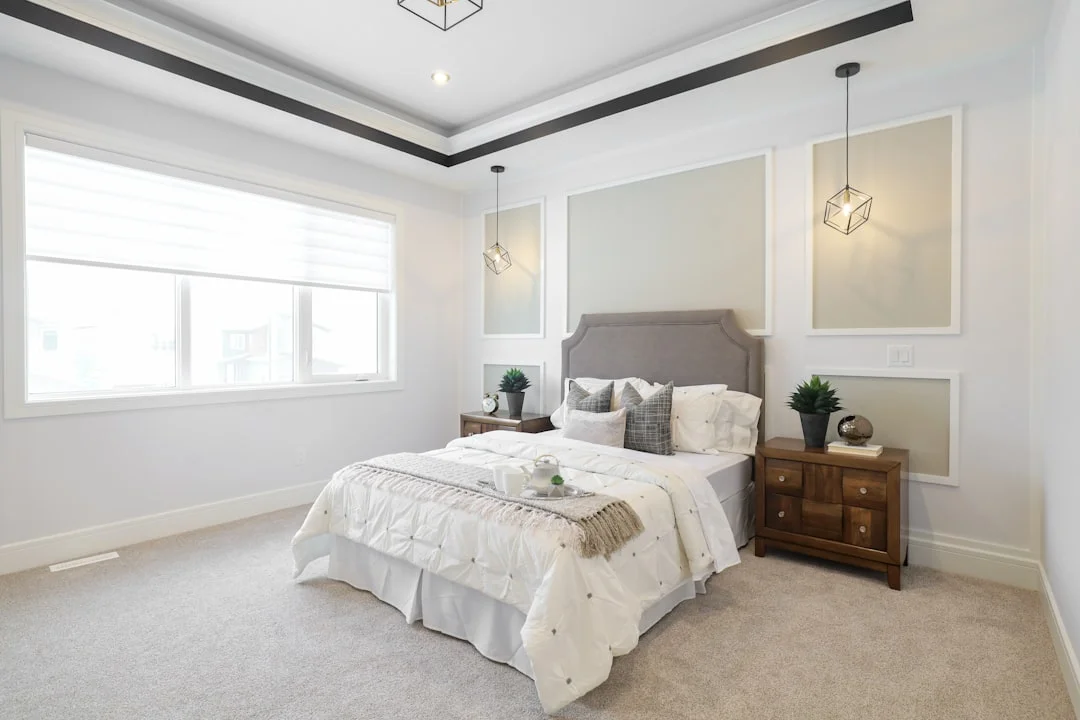
Modern environmental psychology provides a compelling parallel to these ancient principles, validating the impact of space on our cognitive and emotional states. Feng Shui's focus on clutter-free spaces aligns with research showing that visual chaos competes for our brain's attentional resources, reducing our capacity for concentration and increasing stress—the antithesis of motivation. The emphasis on natural light and air quality finds direct correlation with studies on circadian rhythms, vitamin D synthesis, and cognitive performance. A well-lit, well-ventilated room literally energizes the body and sharpens the mind. The Command Position translates to environmental psychology as "prospect and refuge" theory, where humans feel most at ease and in control in spaces where they can see their environment (prospect) while feeling protected from behind (refuge). This reduces low-level anxiety and frees mental energy for productive tasks. Furthermore, the use of symbolic objects and personal artifacts in Feng Shui mirrors concepts in behavioral psychology about priming and identity-based motivation. Surrounding yourself with images of your aspirations, awards representing past successes, or tools of your craft serves as a constant, subconscious reminder of your goals and capabilities, reinforcing your self-concept as a motivated, effective person. The act of intentionally organizing a space itself is a proactive step that can create a momentum of its own, shifting one's mindset from passive to active.
Insights
- Position your primary workspace to face the widest part of the room and, if possible, the entrance to cultivate a sense of opportunity and reduce subconscious anxiety about your surroundings. This strategic placement allows for a clear mind and a feeling of being in command of your tasks.
- Incorporate the Wood Element through vertical lines, columnar shapes, or healthy green plants in the east or southeast areas of your room to directly stimulate the energy of growth and new beginnings. This subtle environmental cue can subconsciously encourage forward momentum and the initiation of projects.
- Ensure your chair is supported by a solid wall and avoid sitting with a window directly at your back to create a psychological foundation of stability and support for your long-term ambitions. This arrangement prevents the feeling of vulnerability that can drain your confidence and resolve.
- Regularly clear physical clutter from your surfaces and digital clutter from your computer desktop to remove energetic blockages that manifest as mental distraction and procrastination. A clear space promotes a clear mind, allowing motivation to flow without obstruction.
- Balance active Yang colors like red or orange with calming Yin textures like wood or fabric to create an environment that energizes without causing agitation, supporting sustained focus over long periods. This harmony prevents burnout and maintains a steady, driven state of mind.
Conclusion
Feng Shui does not magically instill motivation where none exists; rather, it provides a systematic approach to designing an environment that removes obstacles to your natural drive and amplifies your capacity for focused action. By aligning your space with principles of energy flow, elemental balance, and psychological comfort, you create a physical counterpart to your internal goals. The resulting environment acts as a constant, silent partner in your endeavors, reducing resistance, enhancing clarity, and nurturing the conditions in which motivation can take root and flourish. Ultimately, a Feng Shui-informed space is a tool for self-efficacy, reminding you through its very structure that you are in a position of strength, capable of growth and achievement.