The question of whether Feng Shui can predict fortune is a common one, often shrouded in mystery and misconception. At its heart, Feng Shui is not a system of deterministic fortune-telling like reading a fixed script of the future. Instead, it is a sophisticated framework for environmental analysis, focused on identifying and cultivating favorable conditions. It operates on the principle that our surroundings—the spaces where we live, work, and rest—exert a profound influence on our well-being, psychology, and opportunities. This article explores how Feng Shui assesses a space to suggest the potential for positive or challenging experiences, framing "luck" as the cultivation of harmonious energy rather than its prediction.
Core Concept
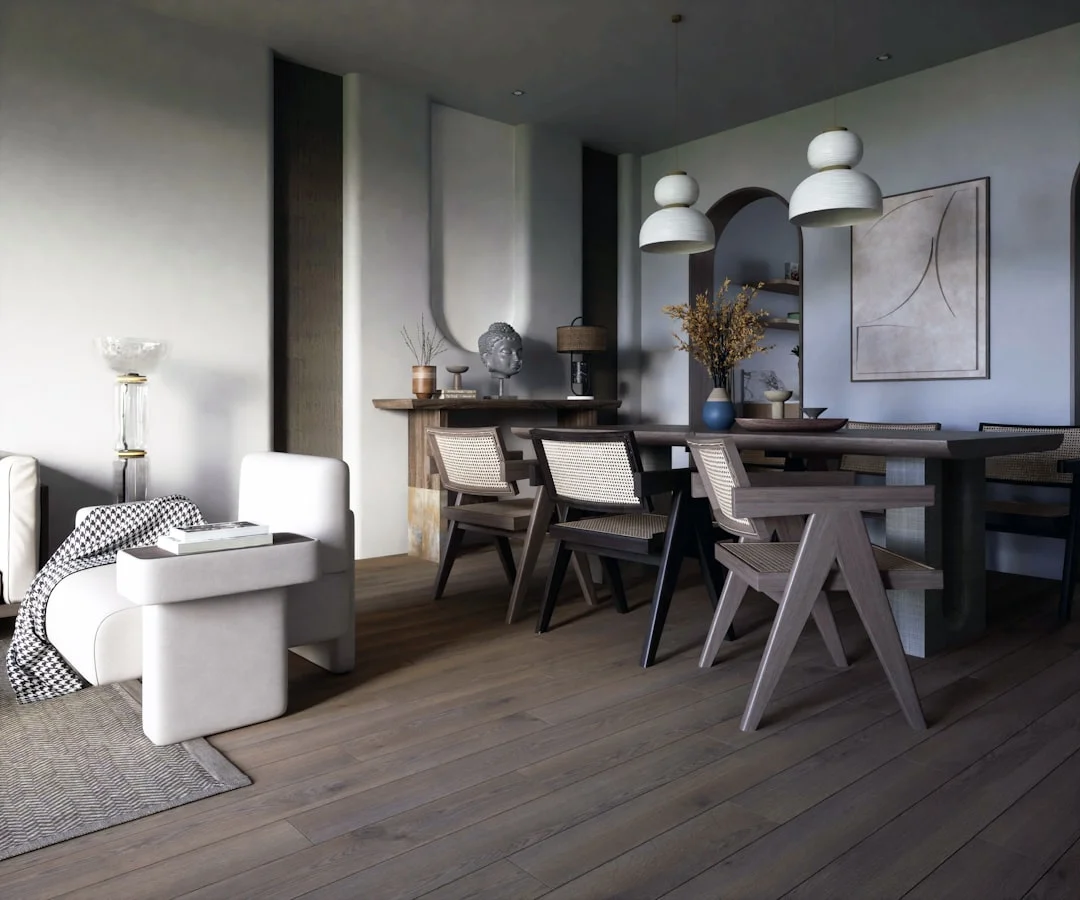
Feng Shui, translating to "wind and water," is the ancient art of arranging living spaces to create balance with the natural world. Its core concept revolves around the flow of Qi, the vital life force or energy that permeates everything. The goal is to guide this energy to be smooth, nourishing, and supportive within a given space. A space or layout represents a microcosm of the environment, with its own energetic signature. The placement of doors, windows, furniture, and architectural features either facilitates or obstructs the movement of Qi. For instance, a long, straight hallway can cause Qi to rush too quickly, creating a sense of instability, whereas a meandering path allows it to settle and accumulate beneficially. Elements within the space, from colors to materials, interact with this flow, either enhancing or depleting it. In real-life terms, consider two contrasting environments. A cluttered, dimly lit office with a desk facing a wall may concentrate stagnant energy, potentially correlating with feelings of blockage, lack of inspiration, and difficulty in seeing new opportunities. Conversely, a living room with a clear line of sight to the entrance, balanced lighting, and a comfortable arrangement of seating encourages welcoming, circulating energy, which supports relaxation and positive social interaction.
Traditional Feng Shui Perspective
From a classical standpoint, Feng Shui analysis is a multi-layered discipline that avoids simplistic predictions. It employs several interconnected systems to diagnose the quality of a space. The fundamental principle is the balance of Yin and Yang. A healthy space requires a dynamic equilibrium between these complementary forces. A bedroom, a place for rest (Yin), should not be overly bright, loud, or angular (excessive Yang), as this disrupts sleep. A home office, a place for activity (Yang), should not be too dark, damp, or isolated (excessive Yin), as this stifles motivation and clarity. The Five Elements theory—Wood, Fire, Earth, Metal, Water—provides another diagnostic lens. Each element embodies specific qualities, colors, and shapes. A balanced environment contains a representation of all elements in a productive cycle. An overabundance of one element can create an imbalance. For example, a kitchen with excessive red color and triangular shapes (Fire) without the moderating influence of Earth or Water elements might correlate with heightened tension or conflict. Qi flow and spatial harmony are assessed through the layout and form. The concept of "commanding position" is crucial, particularly for key pieces like beds and desks. Being in a position where you can see the door without being directly in line with it allows you to receive opportunities (Qi entering) while feeling secure and in control. The symbolism of direction, analyzed through tools like the Bagua map or Compass School methods, links areas of a home to specific life aspects, such as career, relationships, or health. A missing sector or a problematic feature (like a bathroom) in a corresponding area is seen as a potential weakness in that life domain, not a guaranteed misfortune.
Modern Interpretation
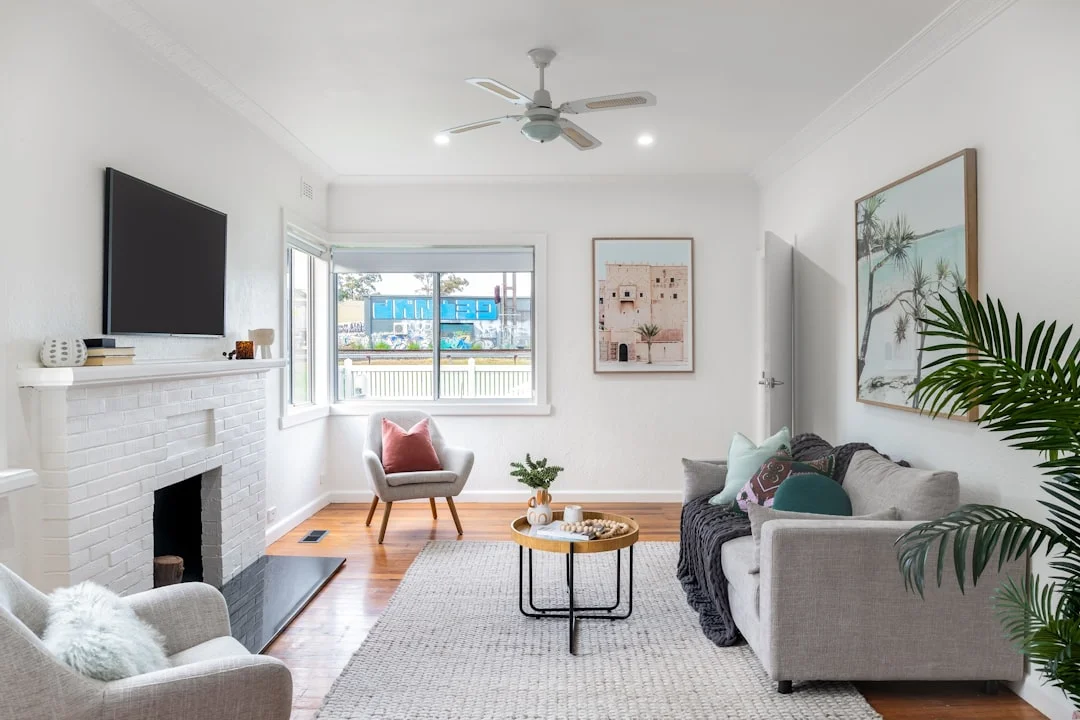
Contemporary understanding strips away the mystical veneer and aligns Feng Shui principles with environmental psychology and design ergonomics. Modern interpretation focuses on how spatial arrangements tangibly affect human mood, behavior, and cognitive function. The impact of space on psychology is well-documented. Feng Shui’s emphasis on clutter-free spaces mirrors modern findings on how visual chaos increases cortisol levels and reduces focus. The principle of a solid headboard behind a bed aligns with the psychological need for a secure "refuge" for proper rest. A desk facing into the room, rather than a wall, supports a sense of agency and reduces the subconscious stress of someone approaching from behind. In terms of productivity and lifestyle, Feng Shui offers practical optimization. Encouraging natural light and air circulation (smooth Qi) is proven to boost alertness and reduce mold, supporting physical health. Creating defined, purposeful zones within an open-plan living area can reduce cognitive overload and help separate work life from home life. The use of specific colors and natural materials can be understood through their psychological effects: greens and woods promoting calm (Wood element), and soft earth tones creating stability (Earth element). The practical meaning is not about attracting mystical luck, but about consciously designing environments that reduce stress, enhance well-being, and support our intentions, thereby allowing us to perform at our best and recognize opportunities more readily.
Insights
- Positioning your primary workspace to face the entrance of the room can foster a greater sense of control and reduce subconscious anxiety, thereby improving concentration and decision-making.
- Introducing living plants or wooden furniture into a room dominated by metal and electronic equipment can create a more balanced and creatively stimulating environment.
- Ensuring a clear and welcoming pathway from your front door into the home encourages a positive first impression for both guests and your own daily return.
- Balancing active social areas with dedicated quiet spaces within your home layout supports both healthy relationships and necessary personal restoration.
- Using warm, layered lighting instead of a single harsh overhead source can soften a room's energy and significantly impact mood and relaxation in the evening.
Conclusion
Feng Shui does not predict good or bad luck in a fatalistic sense. Rather, it serves as a diagnostic and prescriptive tool for understanding the energetic landscape of our environments. It posits that spaces imbued with balanced, flowing, and nourishing energy create conditions conducive to health, clarity, and positive engagement with life—what many would call "good luck." Conversely, spaces with stagnant, chaotic, or hostile energy can create unnecessary obstacles and drain our vitality. By applying its principles, whether through a classical or modern lens, we move from being passive occupants to active cultivators of our surroundings. The ultimate goal is not to foretell the future, but to shape our present environment in a way that supports our well-being and empowers us to meet the future with greater resilience and presence.