The quest for restful sleep and robust health is a universal human pursuit. In our modern world, this search often leads to advanced mattresses, sleep trackers, and various wellness regimens. Yet, an ancient system of environmental harmony offers a complementary perspective, suggesting that the very spaces we inhabit hold profound influence over our well-being. Feng Shui, the traditional Chinese art of placement, provides a framework for arranging our surroundings to promote the smooth flow of vital energy, or Qi. This article explores how applying Feng Shui principles to the bedroom and home can create a sanctuary that actively supports deeper sleep and holistic health, bridging timeless wisdom with contemporary understanding.
Core Concept
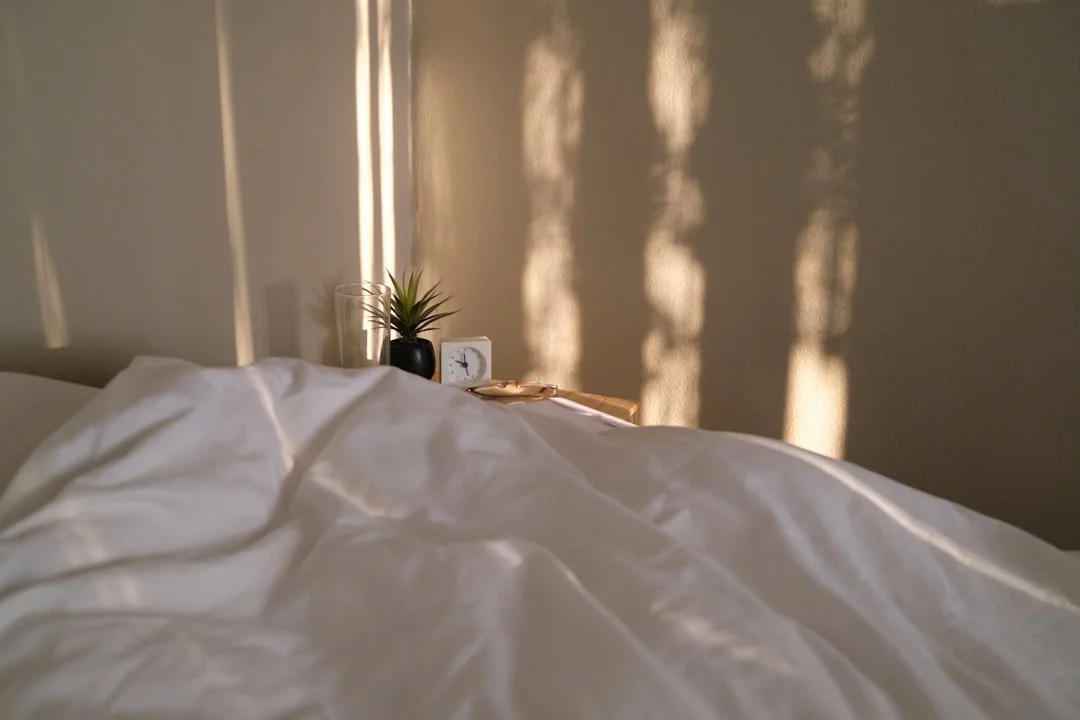
At its heart, Feng Shui is the study of how environmental forces interact with human life. It operates on the principle that our living spaces are not inert containers but dynamic fields of energy that directly affect our physical, mental, and emotional states. The core objective is to cultivate an environment where Qi can circulate freely and beneficially, rather than becoming stagnant, blocked, or chaotic. In the context of sleep and health, the bedroom is considered the most critical space, as it is where we spend a third of our life in a vulnerable, restorative state. A well-designed space according to these principles represents a sanctuary of stability and nourishment. For instance, a bedroom with a solid headboard, positioned away from direct line with the door, and free from overhead beams or sharp corners pointing at the bed, creates a subconscious feeling of security and protection, allowing the nervous system to fully relax.
Traditional Feng Shui Perspective
The classical Feng Shui approach to health and sleep is a sophisticated interplay of several foundational theories, with the bedroom as the primary focus. Yin-Yang Balance in Space: Sleep is the ultimate Yin activity—passive, receptive, dark, and cool. The bedroom environment must strongly emphasize Yin qualities to encourage this state. This means favoring soft lighting, muted and calming colors, rounded shapes, and minimal electronic activity. However, absolute Yin can lead to stagnation and low energy. A touch of Yang—perhaps a single vibrant artwork, a living plant, or a warm wood tone—provides the necessary spark of vitality to ensure the space feels alive and supportive, not dormant and draining. Five Elements Interactions: The Five Elements—Wood, Fire, Earth, Metal, and Water—must be in a harmonious cycle within the sleep space. The bed itself, as a place of growth and restoration, connects to the Wood element. Earth tones (beige, soft yellow) and square shapes promote stability. Metal, through white or pastel colors and metallic frames, introduces clarity and precision. The key is to avoid elements that disrupt sleep: an overabundance of Fire (red colors, excessive lighting, active electronics) can overstimulate, while too much Water (black, deep blue, mirrors, or actual water features) can lead to emotional instability or a feeling of being ungrounded. Qi Flow and Spatial Harmony: The flow of Qi is paramount. The bed should be in a "commanding position," diagonally opposite and facing the door without being directly in line with it, allowing occupants to see the entrance while feeling secure. This placement avoids "rushing Qi" from the doorway. Clutter underneath or around the bed stagnates Qi, potentially manifesting as restless sleep or unresolved worries. Sharp corners from furniture or architectural features, known as "poison arrows," should not point toward the bed, as they generate cutting, stressful energy. Symbolism of Layout and Structure: Every aspect carries meaning. A solid headboard symbolizes support in life. A bed on the floor or with storage underneath can symbolize a lack of support or buried issues. Mirrors facing the bed are traditionally discouraged as they bounce energy around and can startle the subconscious upon waking. The ceiling should be simple and uncluttered; exposed beams directly over the bed are seen as creating pressure and division.
Modern Interpretation
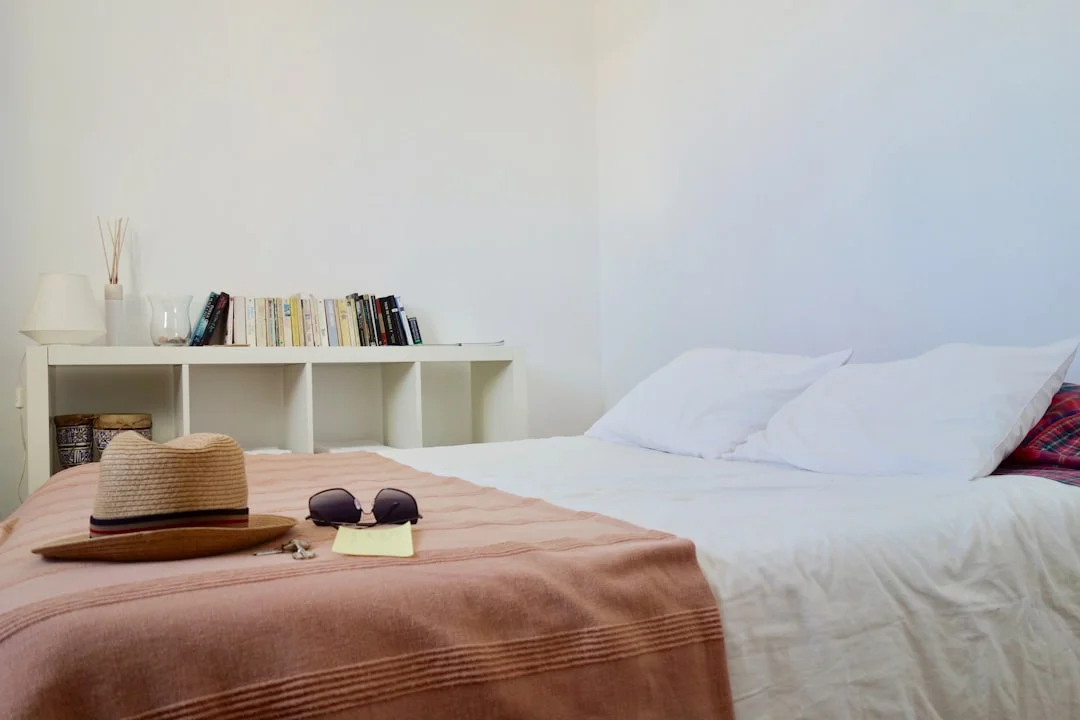
From a contemporary standpoint, the principles of Feng Shui find strong resonance in environmental psychology and ergonomic design. The practices that promote good Qi flow are often those that reduce subconscious stress and sensory overload. Environmental Psychology: The "commanding position" of the bed aligns with our innate need for safety—a vestige of our ancestors' need to see potential threats while resting. A room free of clutter reduces cognitive load, allowing the mind to disengage from daily concerns. The prohibition of active electronics in the bedroom is supported by science regarding blue light disruption of melatonin production and the psychological association of work/stimulation with the sleep space. Impact on Mood and Behavior: Colors and materials directly affect our psyche. The Feng Shui preference for calming, Yin colors like soft greens, blues, and neutrals is validated by color psychology, which associates them with tranquility and relaxation. Natural materials like wood and cotton promote a biophilic connection, lowering cortisol levels. A balanced, symmetrical room layout can foster feelings of order and control, counteracting the chaos of daily life. Practical Real-Life Meaning: Modern application is about intentionality. It is not about strict rules but about creating a personal sanctuary. It asks us to audit our bedroom: Does it truly serve rest? Is it a place for sleep and intimacy, or has it become a secondary office or entertainment center? The process of applying these principles—decluttering, repositioning furniture, choosing calming decor—is itself a mindful act that reinforces one’s commitment to health, making the space a physical manifestation of that intention.
Insights
- Position your bed so you can see the door without being directly in line with it to cultivate a deep, subconscious sense of security and control within your sleep environment.
- Systematically remove all non-essential electronics and visual clutter from your bedroom to minimize mental stimulation and allow your nervous system to fully transition into a restorative state.
- Incorporate a balanced palette of earthy and soft metallic tones alongside natural textures like wood and linen to ground your energy and promote holistic stability throughout the night.
- Ensure your mattress is supported by a sturdy bed frame and headboard, and avoid storing miscellaneous items underneath to symbolize and encourage clear and unimpeded support in your life.
- Introduce a single, carefully chosen element of vibrant life, such as a healthy green plant, to provide a gentle Yang counterpoint to the room's dominant Yin energy without causing distraction.
Conclusion
Feng Shui offers a profound and holistic lens through which to view our relationship with our living spaces, particularly the bedroom. By integrating its core principles—the nurturing of smooth Qi flow, the cultivation of Yin-Yang balance, and the harmonious interaction of the Five Elements—we move beyond mere decoration to actively design an environment that supports our well-being. While not a substitute for medical advice, this ancient practice provides a valuable framework for creating a sanctuary that aligns with both timeless wisdom and modern understandings of environmental psychology. The ultimate goal is to transform the bedroom from a mere place to sleep into a resonant space that actively participates in our journey toward deeper rest, rejuvenation, and health.