In the design of a kitchen, the placement of major appliances is often dictated by plumbing, electrical outlets, and workflow efficiency. However, beyond these practical considerations, a longstanding principle from Feng Shui advises against positioning the sink and the cooking stove directly opposite one another. This guideline is not merely a superstition but stems from a sophisticated understanding of environmental energy and its impact on the inhabitants. This article explores the rationale behind this rule, examining its roots in classical theory and its relevance to contemporary living.
Core Concept
At its heart, the kitchen is considered the heart of the home, a place where nourishment is created. The sink and stove are its two most vital fixtures, representing the fundamental elements of Water and Fire, respectively. When these two elements are placed in direct opposition, they are said to engage in a conflict of energies. The sink, associated with Water, symbolizes cleansing, flow, and cooling. The stove, associated with Fire, represents transformation, warmth, and vitality. A direct face-off creates a dynamic where these powerful forces clash rather than cooperate. This opposition disrupts the smooth flow of Qi, or life force energy, within the kitchen. Instead of a harmonious environment that supports health and prosperity, the space becomes a site of energetic tension. In real-life terms, consider a kitchen where the cook must constantly turn from the fiery action of the stove to the cooling, flowing water of the sink. The experience can feel disjointed and stressful, as if managing two opposing tasks simultaneously. This layout can subtly influence the atmosphere, making meal preparation feel more like a battleground than a creative, nurturing act.
Traditional Feng Shui Perspective
From a classical Feng Shui standpoint, the prohibition against facing sinks and stoves is deeply rooted in the theories of Yin-Yang balance and the Five Elements. Yin-Yang Balance in Space: The kitchen requires a careful balance of Yin and Yang. The stove is a potent Yang element—active, hot, and transforming. The sink is more Yin—passive, cool, and absorbing. A healthy kitchen environment allows these qualities to exist in complementary proximity, not direct confrontation. When they face each other squarely, it creates an extreme polarity that is difficult to reconcile, leading to imbalance in the home's energy. Five Elements Interactions: The Five Elements theory describes a cycle of generation and a cycle of control. Water controls Fire; it can extinguish it. Placing the Water element (sink) directly opposite the Fire element (stove) activates the destructive cycle in a literal and symbolic way. This is considered inauspicious, as it metaphorically "puts out" the prosperity and health symbolized by the kitchen's fire. The ideal relationship is one of support, perhaps with a Wood element (like a cutting board or green plant) mediating between them, as Wood can nourish Fire and be nourished by Water. Qi Flow and Spatial Harmony: Good Feng Shui seeks to guide Qi in a meandering, beneficial flow throughout a space. A direct line between two powerful, opposing elements creates a "sha qi" or attacking energy. This fast, harsh flow of energy between the sink and stove can scatter the nourishing Qi that should gather around the cooking area. It breaks the protective embrace of the kitchen's layout, potentially leading to arguments, financial waste, or digestive issues for the family, according to traditional interpretations. Symbolism of Layout: The stove symbolizes wealth and nourishment. Its flame is akin to the family's financial and physical vitality. Allowing it to be directly "attacked" by a stream of water is seen as weakening that vitality. The cook, standing at the stove, should feel supported and protected, not having their energy and focus challenged by a directly opposing force.
Modern Interpretation
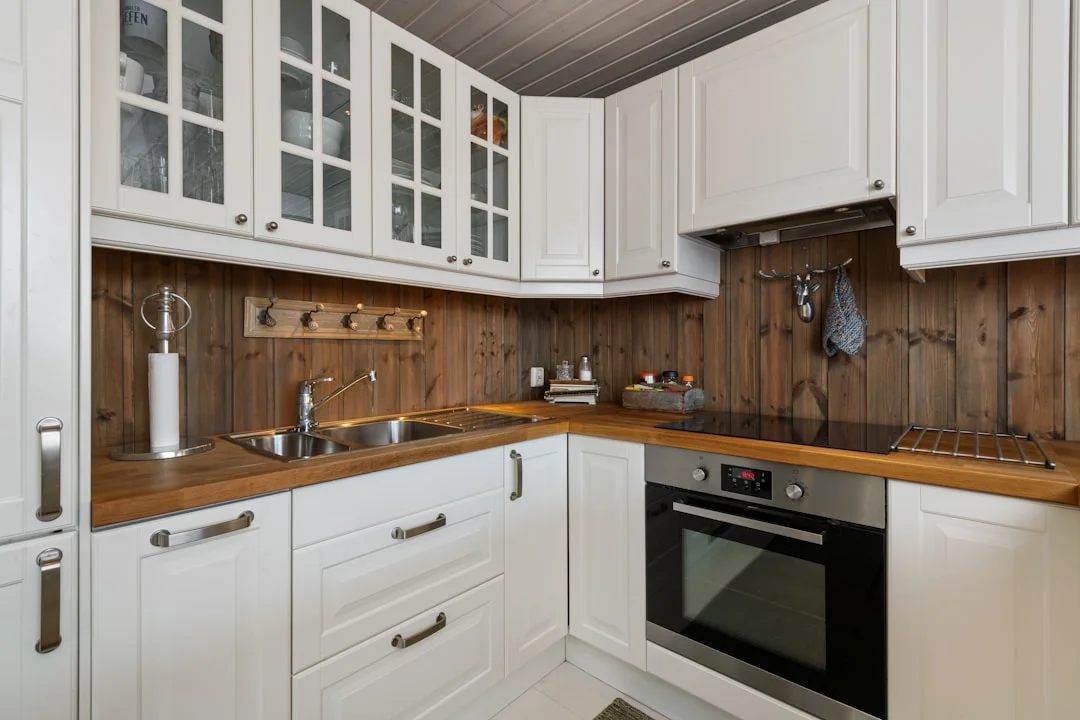
While not everyone subscribes to classical Feng Shui, the principle finds strong resonance in modern environmental psychology and ergonomic design. Environmental Psychology: Our surroundings profoundly affect our subconscious mind and emotions. A kitchen where two large, opposing elements are in constant visual conflict can create a subtle sense of unease or agitation. The subconscious registers the clash of symbols—the cool blue of water versus the warm red of fire—leading to a less relaxed state of mind. This can increase stress levels during cooking, a time that many now view as therapeutic and creative. Impact on Mood and Behavior: Practically, a face-to-face layout often creates an inefficient and sometimes hazardous workflow. Splashing water from the sink could reach a hot stove surface or pan, causing steam, splatter, or even safety concerns. The cook may feel perpetually "in the middle," leading to rushed decisions and a less enjoyable cooking experience. This can diminish the care put into food preparation, which in turn affects the household's health and the social ritual of sharing meals. Productivity and Lifestyle Influence: Modern kitchen design emphasizes the "work triangle" between sink, stove, and refrigerator for efficiency. Placing the sink and stove directly opposite can elongate this triangle unnecessarily, causing excessive steps and physical strain. The resulting frustration can turn meal prep into a chore, discouraging home cooking and promoting reliance on less healthy convenience foods. A harmonious layout supports a calm, focused, and efficient cook, which promotes a healthier lifestyle overall. Practical Real-Life Meaning: Ultimately, the modern interpretation is about creating a sanctuary for nourishment. A kitchen should feel grounded, safe, and inspiring. Avoiding the direct opposition of sink and stove is a design choice that minimizes subconscious conflict, enhances safety, and promotes a smoother, more joyful workflow. It is about arranging your environment to support your well-being in tangible, everyday ways.
Insights
- Redesigning a directly opposing layout by introducing a kitchen island or a prep station between the sink and stove can effectively mediate the clashing energies and improve workflow.
- If structural change is impossible, incorporating the Wood element, such as a wooden bowl or a healthy plant on the counter between them, can help harmonize the Water-Fire relationship.
- Maintaining impeccable cleanliness and order at both the sink and stove area is crucial to prevent the elemental conflict from being compounded by clutter and stagnation.
- Ensuring that both fixtures are in excellent working condition mitigates negative symbolism, as a leaking faucet aggressively opposes the stove's fire more than a sealed, controlled one.
- Using lighting thoughtfully, with warm ambient light to balance the sink's coolness and focused task lighting at the stove, can help visually and energetically integrate the space.
Conclusion
The advice to avoid placing the sink and stove opposite each other is a multifaceted principle that bridges ancient wisdom and modern sense. From the traditional Feng Shui perspective, it is a vital rule for preserving the balance of elements and protecting the beneficial Qi associated with health and prosperity. Through a contemporary lens, it is a guideline for creating a psychologically comfortable, efficient, and safe kitchen environment. Whether one views it through the paradigm of energy flow or ergonomic design, the outcome sought is the same: a harmonious heart of the home where nourishment is prepared with peace, focus, and joy. By understanding the reasoning behind such spatial relationships, we can make more intentional choices that enhance our daily living experience.