The placement of a sofa is a central decision in interior design, influencing both the function and feel of a living space. A common guideline, rooted in ancient environmental wisdom, advises against positioning a sofa with its back directly facing the main entrance. This recommendation is not merely about aesthetics or furniture arrangement but stems from a deeper understanding of spatial dynamics, psychological comfort, and the flow of energy. This article explores the traditional principles behind this rule and its relevance to contemporary living, explaining why this specific orientation is generally considered unfavorable for creating a harmonious and supportive environment.
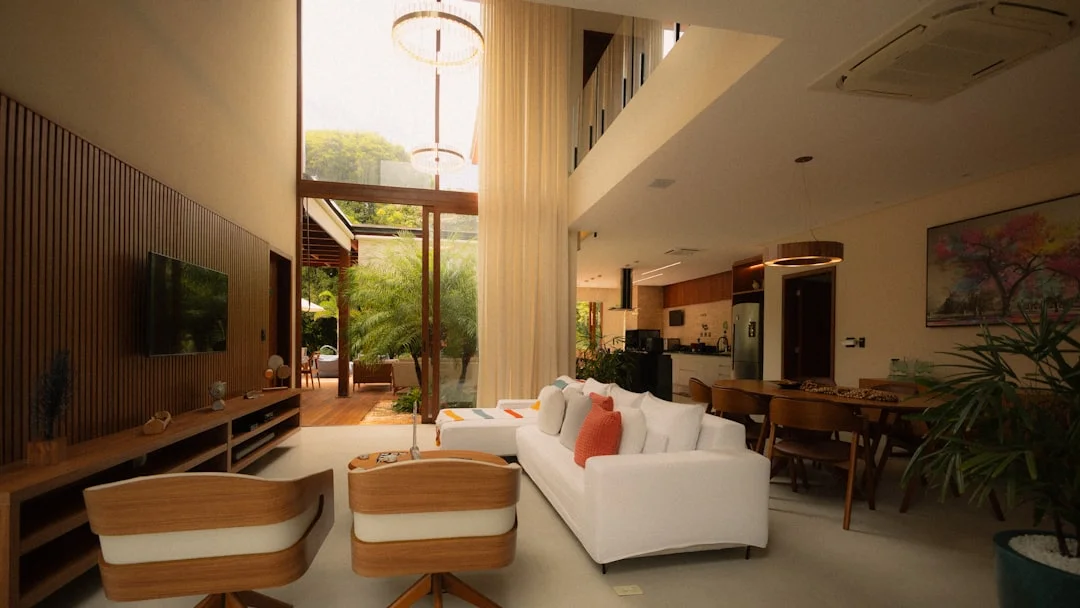
Core Concept
At its heart, the sofa's orientation is about the relationship between a space's occupant and the primary point of entry. The main door is considered the mouth of the home, the primary channel through which energy, opportunities, and influences enter. A sofa facing away from this door places the sitter in a vulnerable position, with their back exposed to the unseen movement of people and energy entering the room. This layout directly influences the circulation of Qi, or vital life force energy. For Qi to be beneficial, it should meander gently and accumulate where people rest and gather. When a sofa turns its back to the door, it creates a subconscious barrier, causing Qi to rush in and strike the back of the furniture and, by extension, the person seated there. This is often experienced as a feeling of unease or a lack of support. In real-life environments, consider the difference between sitting in a restaurant booth facing the room versus one facing a wall; the former provides a sense of command and awareness, while the latter can feel isolating and restrictive. The sofa's position sets the tone for interaction, relaxation, and security within the home's most social space.
Traditional Feng Shui Perspective
From a classical Feng Shui standpoint, the rule against a sofa facing away from the door integrates several foundational theories concerning balance, energy, and elemental harmony. The principle of Yin-Yang balance in space is immediately relevant. A living room should balance active Yang energy (movement, social interaction) with receptive Yin energy (rest, relaxation). The sofa is a primary Yin element—a place of rest. However, for that rest to be truly rejuvenating, it must be properly supported and protected, which is a Yang function. Positioning the sofa to command a view of the door establishes this protective Yang aspect, creating a balanced and secure resting place. Turning it away creates an excess of vulnerable Yin, disrupting the necessary equilibrium. The Five Elements theory also comes into play. The front door is often associated with the Water element, representing flow, entry, and career path. The sofa, as a place of gathering and stability, connects to the Earth element. A positive relationship between Water and Earth can be nurturing (as water nourishes earth). However, when the sofa's back faces the door, it metaphorically represents Earth attempting to block or ignore Water's flow, leading to stagnation rather than nourishment. The dynamic is unproductive and can symbolize missed opportunities or a lack of grounding amidst incoming change. Qi flow and spatial harmony are paramount. Feng Shui aims to create a smooth, unimpeded flow of Sheng Qi, or nourishing energy. The ideal path for Qi is to enter through the door, curve and soften through the space, and gently embrace the occupants. A sofa facing the door allows the sitter to receive this energy comfortably. When the sofa faces away, it creates a "poison arrow" or direct line of Sha Qi aimed at the sitter's back. This is considered depleting and can contribute to a sense of being undermined or attacked from behind, whether in personal energy or life circumstances. The symbolism is clear: to face your world openly is to engage with it from a position of strength and awareness.
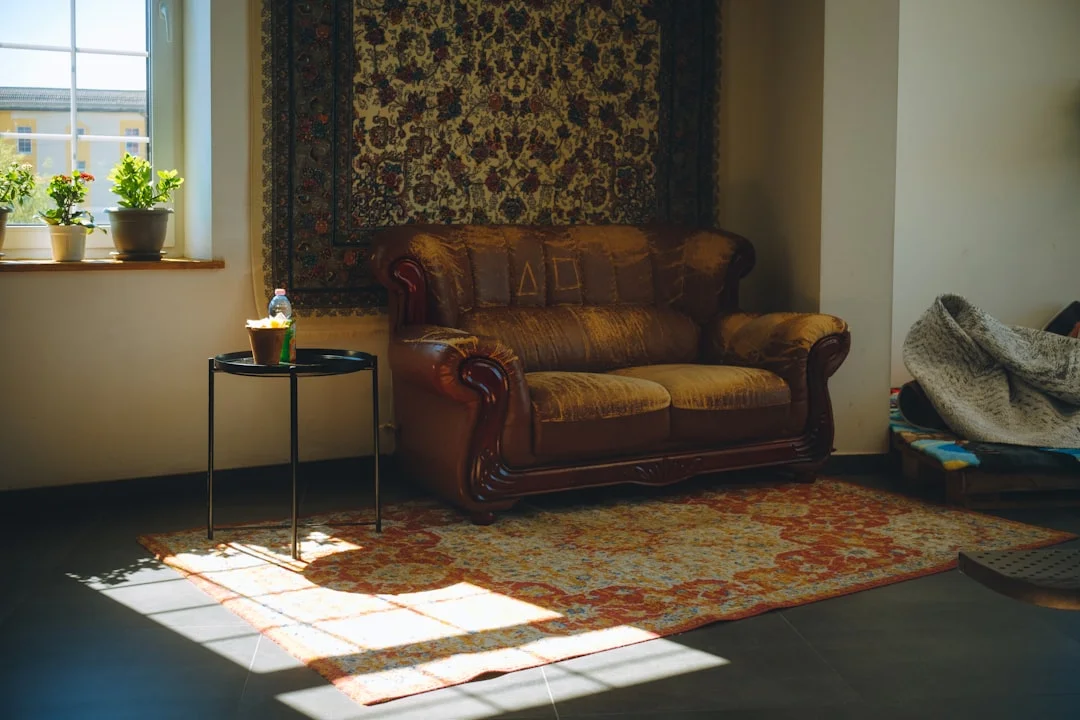
Modern Interpretation
Modern environmental psychology and design principles affirm these ancient observations, translating them into concepts of prospect-refuge theory, subconscious security, and behavioral influence. Environmental psychology examines how physical spaces affect human mental processes and behavior. The "prospect-refuge" theory states that humans have an innate preference for locations that offer a good view (prospect) while being protected from behind (refuge). This instinct stems from our evolutionary need to monitor for opportunities and threats. A sofa that commands a view of the door perfectly satisfies this condition, reducing subconscious anxiety and allowing for true relaxation. Conversely, a sofa facing away violates this instinct, keeping the primitive brain in a low state of alert, which can manifest as lingering stress, an inability to fully unwind, or even irritability. The impact on mood and behavior is significant. In a practical sense, when guests enter a room, the natural focal point is often the seated occupants. If the sofa faces away, social interaction begins awkwardly, with guests addressing the backs of heads. This disrupts the natural flow of hospitality and connection. For the residents, constantly being startled by arrivals because they cannot see the door can fray nerves over time. This layout can subtly discourage the use of the living room for its intended social purpose, pushing inhabitants toward isolated corners. Regarding productivity and lifestyle, while a living room is primarily for leisure, the principles of a supported seating position apply universally. A home office chair facing away from the door is notoriously distracting and unsettling. Similarly, the living room is where families often discuss important matters or decompress from the day. Doing so from a position of perceived vulnerability can hinder open communication and genuine rest, influencing overall household dynamics and individual well-being. The practical meaning is about cultivating a space that actively supports its inhabitants' psychological need for safety and connection.
Insights
- Position your primary seating to face the entrance directly or at a diagonal angle to establish a subconscious sense of command and security in your own living space.
- If architectural constraints force the sofa to face away, place a console table, substantial bookcase, or tall plant behind it to act as a symbolic and physical support.
- Hang a mirror on the wall opposite the main door so that from the sofa, you can see the door's reflection, effectively restoring visual command of the entrance.
- Ensure the pathway from the door to the sofa is clear and welcoming, allowing energy and people to circulate without creating a direct, harsh line toward seating areas.
Conclusion
The guidance to avoid placing a sofa with its back to the door is a timeless principle that merges intuitive design with profound environmental understanding. Traditionally, it is about harmonizing Qi flow, respecting Yin-Yang balance, and aligning with elemental interactions to foster a supportive atmosphere. In modern terms, it addresses our deep-seated psychological need for safety, awareness, and social ease. By orienting our most important furniture to welcome both energy and guests openly, we create a living space that does more than just look arranged—it actively contributes to a feeling of stability, comfort, and connectedness for everyone who uses it. This thoughtful placement turns a simple piece of furniture into an anchor for harmonious living.