The living room is often considered the heart of a home, a central hub where family gathers, guests are welcomed, and daily life unfolds. In Feng Shui, this space holds profound significance, acting as the primary reservoir and distribution point for the home's energy, or Qi. Its arrangement and atmosphere directly influence the health, relationships, and prosperity of the occupants. Understanding the living room's role is not about superstition, but about creating an environment that consciously supports well-being and harmony through intentional design.
Core Concept
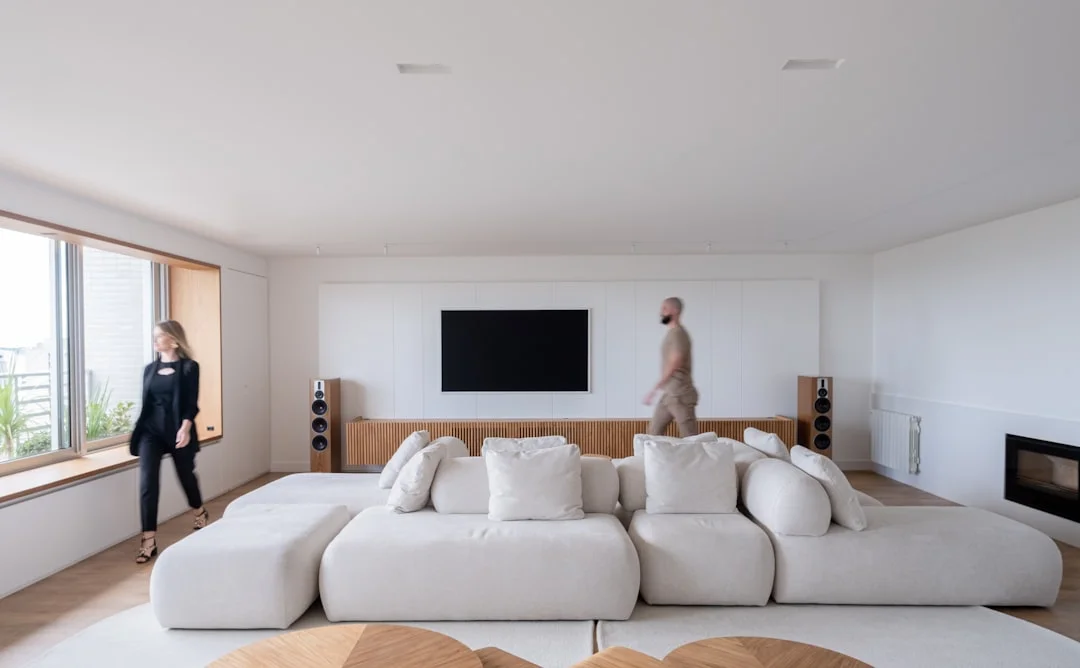
In Feng Shui philosophy, the living room represents the "Ming Tang" or "Bright Hall." This is the public face of the home, symbolizing social connection, reputation, and the flow of opportunities into one's life. It is where the internal energy of the family meets the external energy of the world. This space primarily influences the circulation of Qi. As the most active and expansive room, it acts as the lungs of the home, drawing in fresh, nourishing energy and facilitating its smooth movement to other areas. Stagnant or chaotic energy here can suffocate the entire household, while vibrant, flowing Qi can uplift every aspect of life. Real-life examples illustrate this concept clearly. A living room with a clear, unobstructed path from the main entrance allows energy and people to enter comfortably. A room crammed with excessive furniture, clutter, or with all seating facing away from the door creates a sense of obstruction and isolation, hindering social interaction and the easy flow of daily activities.
Traditional Feng Shui Perspective
Classical Feng Shui analyzes the living room through interconnected frameworks of balance, elemental interaction, and directional alignment. The principle of Yin-Yang balance is crucial. The living room should predominantly embody Yang energy—active, bright, and social—to encourage engagement and vitality. This is achieved through good lighting, lively conversation, and movement. However, it must contain pockets of Yin—soft textiles, a comfortable chair for reading, calming colors—to provide balance and prevent the space from becoming overstimulating. A room that is too Yang feels chaotic; one that is too Yin feels lethargic and unsociable. The Five Elements theory (Wood, Fire, Earth, Metal, Water) guides the creation of a harmonious and supportive cycle within the space. A balanced living room might incorporate Wood (plants, vertical shapes), Fire (candles, triangular forms, red accents), Earth (square furniture, ceramic decor, yellow tones), Metal (metallic frames, round shapes, white), and Water (mirrors, wavy patterns, black or blue). The goal is to avoid an overabundance or complete lack of any element. For instance, too much Water element (excessive black, many mirrors) could dampen the social Fire energy. Qi flow and spatial harmony are paramount. The ideal layout, often called the "commanding position," places the primary seating, like a sofa, diagonally opposite and facing the entrance door without being directly in line with it. This allows occupants to see who enters, fostering a sense of security and control, which in turn allows Qi—and the people—to relax. The shape of the room should be regular, as odd nooks and protruding corners can create "poison arrows" or sharp energy that causes discomfort. Symbolism is deeply woven into the structure. A high ceiling suggests expansive potential, but if too high, it can make energy dissipate. A central, well-defined focal point, such as a hearth or art piece, gathers and stabilizes the room's energy. The pathways through the room should be clear and meandering, not sharp and direct, mimicking the gentle, meandering flow of beneficial Qi.
Modern Interpretation
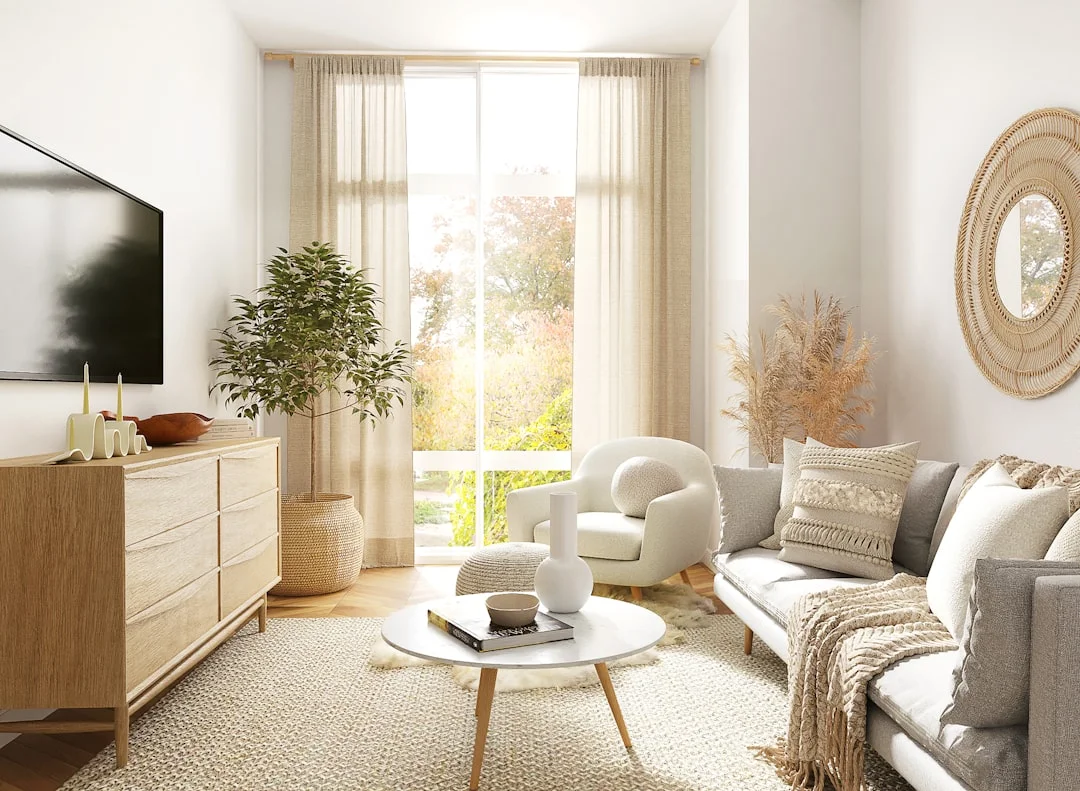
Contemporary environmental psychology and design principles echo many traditional Feng Shui insights, providing a scientific and experiential lens through which to understand the living room's importance. From an environmental psychology standpoint, the living room is a primary setting for social cohesion and individual restoration. A well-arranged room that promotes face-to-face interaction (through furniture placement) and reduces environmental stressors (like glare, noise, or clutter) directly supports positive family dynamics and reduces interpersonal conflict. The sense of "command" over the entrance reduces subconscious anxiety, allowing the nervous system to settle. The impact on mood and behavior is significant. A dark, cluttered living room with poor air quality can contribute to feelings of depression, lethargy, and irritability. Conversely, a space filled with natural light, living plants, and comfortable, intentional seating promotes relaxation, optimism, and a willingness to connect with others. The colors and textures chosen trigger psychological responses that either calm or energize the inhabitants. In terms of lifestyle influence, the living room often dictates the quality of leisure and family time. A room dominated by an enormous television with all seating pointed at it encourages passive consumption and limits conversation. A room designed with multiple focal points—a reading nook, a game table, a conversation area—promotes diverse, active, and engaging interactions. It becomes a space that supports productivity in relaxation and meaningful connection, rather than a place of mindless escape.
Insights
- Position your main sofa against a solid wall and facing the room's entrance to create a subconscious sense of security and welcome for both family and guests.
- Introduce a balanced mix of the five elements through color, shape, and material to create a visually and energetically dynamic yet harmonious environment.
- Ensure all pathways into and through the living room are free of clutter and physical obstacles to encourage the smooth flow of people and positive energy.
- Incorporate living plants and maximize natural light to actively improve air quality and connect the indoor space with the vibrant energy of the natural world.
- Design intentional conversation areas with furniture arranged in welcoming curves or squares to foster face-to-face communication and strengthen relational bonds.
Conclusion
The living room's importance in Feng Shui stems from its role as the energetic and social core of the home. It is more than just a place to sit; it is a dynamic environment that reflects and influences the life within it. By applying principles of balance, flow, and intentional design—whether viewed through classical Feng Shui theories or modern environmental psychology—we can shape this central space to actively support health, foster positive relationships, and invite prosperity. Ultimately, a harmonious living room is a practical tool for cultivating a harmonious life, creating a sanctuary that nourishes all who enter.