In the intricate system of Feng Shui, the kitchen holds a position of profound significance, often considered second only to the main entrance in its influence on the well-being of a household. Far more than a mere utilitarian space for meal preparation, the kitchen is viewed as the symbolic heart of the home, a vital hub where the essential elements of life—nourishment, health, and prosperity—are cultivated. Its condition directly reflects and impacts the family's vitality and fortune. This article explores the deep-seated reasons behind the kitchen's paramount importance, examining its role through classical theories and their resonance with modern environmental psychology.

Core Concept
In Feng Shui, the kitchen represents the primary source of nourishment and wealth for the inhabitants. It is the crucible where raw ingredients, symbolic of potential and resources, are transformed into sustenance. This process of transformation makes the kitchen a powerful generator of Qi, the vital life force energy that circulates throughout the home. The energy generated here is particularly potent because it involves the active element of Fire, used for cooking, which symbolizes passion, expansion, and vitality. However, this powerful Fire energy must be carefully managed and balanced. A harmonious kitchen generates nourishing, supportive Qi that promotes health and abundance. Conversely, a disordered or poorly placed kitchen can generate chaotic or draining energy, potentially leading to health issues or financial instability. For instance, a kitchen that is perpetually cluttered, excessively hot, or plagued by malfunctioning appliances mirrors a life where resources are difficult to manage and well-being is compromised.
Traditional Feng Shui Perspective
From a classical standpoint, the kitchen is a dynamic arena where fundamental Feng Shui principles interact with intense potency. Yin-Yang Balance in Space: The kitchen is inherently a Yang space due to the presence of heat, activity, and the transformative power of cooking. However, it must contain its Yin counterparts to achieve balance. Yin aspects include the coolness of the refrigerator and pantry, the stillness when not in use, and the nourishing, receptive quality of the food itself. An overly Yang kitchen—excessively bright, hot, and chaotic—can agitate the household. A balanced kitchen harmonizes the active Yang of the stove with the passive Yin of storage and preparation areas. Five Elements Interactions: The kitchen is the epicenter of the Five Elements cycle. The Fire of the stove is dominant. Water, present in the sink and dishwasher, has a direct controlling relationship with Fire. Placing these two elements directly opposite or adjacent can symbolically create conflict, as Water extinguishes Fire. Wood, represented by cabinetry or wooden utensils, feeds the Fire. Metal, found in appliances and utensils, is controlled by Fire (as it melts metal) but can also drain Wood. Earth, introduced through stone countertops or ceramic tiles, helps mediate by being produced by Fire and controlling Water. A well-designed kitchen facilitates a productive cycle of these elements, avoiding direct clashes. Qi Flow and Spatial Harmony: The placement of the kitchen within the home floor plan is critical. Traditionally, it is considered unfavorable to place the kitchen in the center of the home, as the intense Fire energy can "burn the heart" of the house, causing instability. Its location relative to the main door is also scrutinized; a kitchen directly visible from the entrance may symbolically allow wealth to be consumed too quickly. The stove, as the key item, should be positioned so the cook does not stand with their back to the doorway, a placement that fosters a sense of security and command. Symbolism of Layout and Structure: The stove, or cooktop, is the symbolic treasure of the kitchen, representing wealth and career prosperity. It should be kept in excellent working order and ideally positioned to have a solid wall behind it for support. A window behind the stove is seen as weakening that support, allowing prosperity to dissipate. Cleanliness and order are paramount, as clutter and grease represent stagnant Qi that can contaminate the nourishment being prepared.
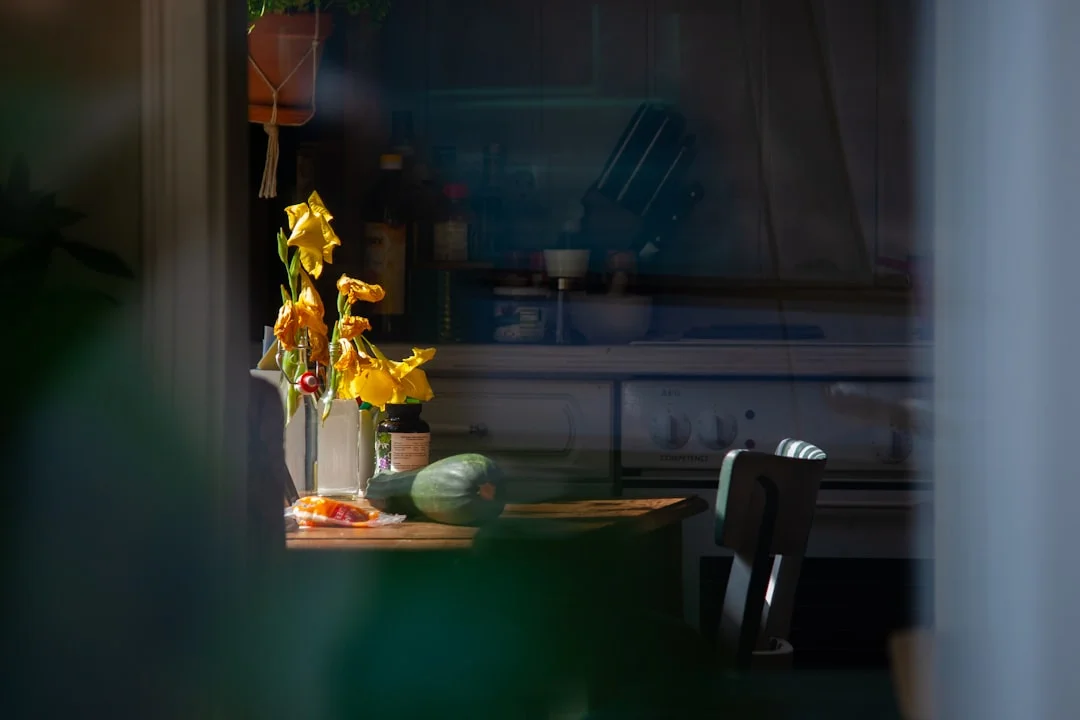
Modern Interpretation
Contemporary environmental psychology and design principles echo many traditional Feng Shui concerns, validating them through the lens of human behavior and cognitive response. Environmental Psychology: The kitchen is a primary gathering space, influencing social interaction and family dynamics. An open, inviting kitchen promotes connection and communication, fostering a sense of community within the household. Conversely, a cramped, isolated, or poorly lit kitchen can contribute to feelings of resentment toward domestic chores and reduce meaningful family interaction. The psychological impact of a space where food is prepared is deeply tied to feelings of security, care, and self-worth. Impact on Mood and Behavior: A cluttered, dirty, or dysfunctional kitchen is a constant, low-grade source of stress. It makes the necessary task of meal preparation feel burdensome, which can lead to poor dietary choices and negatively impact overall health. A clean, well-organized, and aesthetically pleasing kitchen, however, encourages creativity, promotes healthier cooking habits, and provides a sense of calm and control. The sensory experience—the quality of light, the ease of movement, the pleasantness of surfaces—directly affects one's mood while in the space. Productivity and Lifestyle Influence: Modern interpretations focus on the kitchen's role in facilitating a desired lifestyle. An efficient workflow between the sink, refrigerator, and stove (often called the work triangle) reduces physical and mental effort, making daily routines smoother. Good ventilation literally clears the air of pollutants and metaphorically clears mental fog. Ample, accessible storage reduces decision fatigue and time spent searching. In this way, a well-designed kitchen supports productivity, reduces daily stress, and aligns the home environment with goals for health and well-being.
Insights
- Positioning the stove so you have a clear view of the kitchen entrance can subconsciously increase your sense of security and control while cooking.
- Maintaining a spotless stove and oven symbolizes your respect for the source of nourishment and can positively influence your approach to resource management.
- Integrating the Earth element through stone countertops or ceramic decor can help stabilize the potent Fire and Water energies present in the kitchen.
- Ensuring excellent ventilation clears not only cooking odors but also stagnant energy, allowing fresh, nourishing Qi to circulate freely.
- Balancing active cooking zones with tidy, closed storage creates a visual and energetic rhythm that feels both dynamic and orderly.
Conclusion
The kitchen's importance in Feng Shui stems from its fundamental role as the transformer of physical resources into life-sustaining energy. Classical theory frames this through the careful management of Yin and Yang, the productive cycling of the Five Elements, and the nurturing of benevolent Qi. Modern understanding reinforces this by highlighting how the kitchen's design directly impacts psychological well-being, social patterns, and daily lifestyle efficiency. Ultimately, whether viewed through an ancient or contemporary lens, cultivating a harmonious, functional, and cared-for kitchen is an investment in the health, prosperity, and happiness of everyone who calls the house a home. It is the practical and symbolic hearth where the well-being of the household is quite literally cooked into existence.