Feng Shui, at its heart, is the art and science of arranging living spaces to create harmony between individuals and their environment. The central mechanism through which this harmony is achieved is the flow of energy, known as Qi. This concept is not merely an abstract idea but is considered the vital life force that permeates everything, from landscapes and buildings to the human body. When Qi flows smoothly and freely, it nourishes and supports life, fostering health, prosperity, and well-being. Conversely, when it is blocked, stagnant, or chaotic, it can lead to discomfort, conflict, and misfortune. Understanding and managing this flow is therefore the fundamental objective of all Feng Shui practice, transforming a space from a simple shelter into a supportive partner in one's life journey.
Core Concept
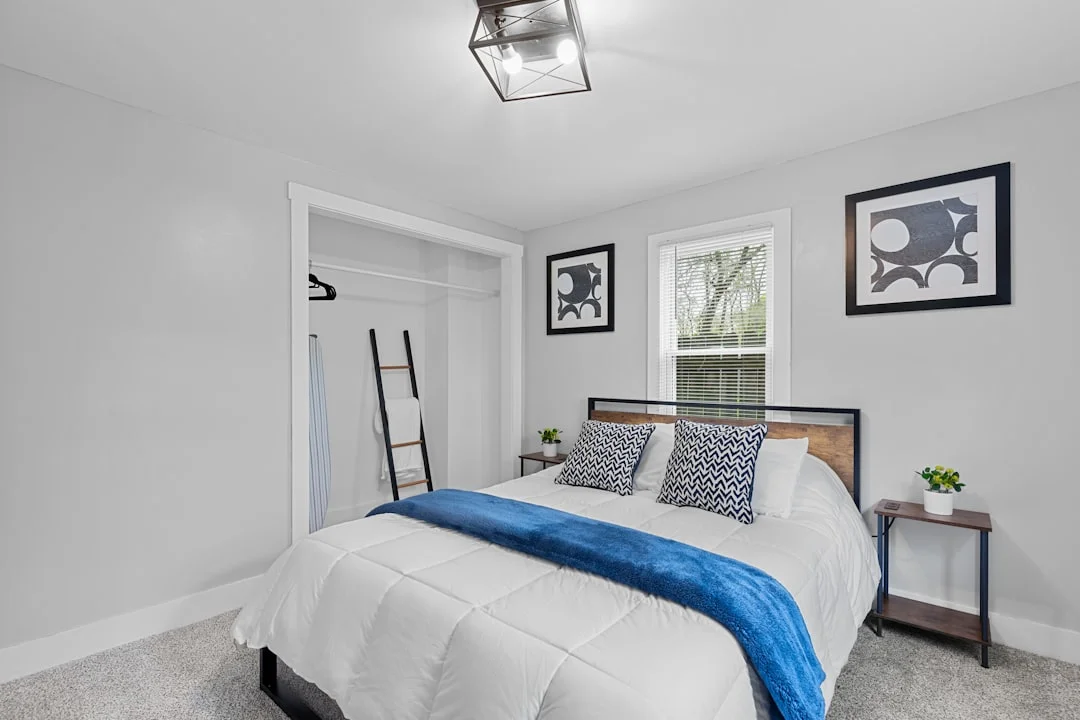
In Feng Shui, energy flow refers to the movement and quality of Qi within a given space. Think of Qi as the breath of a building or a room—it needs to circulate gently and consistently to maintain vitality. This concept is often visualized as a meandering stream or a soft breeze. A space with good energy flow feels inviting, comfortable, and alive. It allows opportunities and positive experiences to enter and circulate, just as fresh air does. What a space represents in terms of energy flow is a map of potential. The layout, furniture placement, and architectural features act as channels and barriers for Qi. A long, straight hallway, for instance, can cause Qi to rush too forcefully, creating a sense of anxiety. A room with a single entrance and no clear path can trap Qi, making it feel stale and lethargic. Real-life examples are abundant. Consider the difference between a cluttered, cramped office where papers are piled high and pathways are obstructed, and an organized office with a clear desk, open walkways, and a functional layout. The former has blocked and stagnant Qi, often leading to procrastination and mental fog. The latter facilitates smooth Qi flow, supporting focus and efficiency. Similarly, a home where the front door opens directly to a back door or large window may see Qi entering and exiting too quickly, failing to settle and benefit the inhabitants.
Traditional Feng Shui Perspective
Classical Feng Shui provides a sophisticated framework for analyzing and directing energy flow, rooted in the observation of natural landscapes. Yin-Yang Balance in Space: Energy flow must balance active (Yang) and passive (Yin) qualities. A room with too much Yang—bright lights, loud colors, and sharp angles—can have Qi that is too stimulating and chaotic. A room with excessive Yin—dim lighting, cool colors, and low energy—can have Qi that is too stagnant and dormant. Good flow harmonizes these forces; for example, a vibrant living room (Yang) is balanced by a calm, restful bedroom (Yin). Five Elements Interactions: The Five Elements (Wood, Fire, Earth, Metal, Water) are phases of Qi, each with a characteristic type of movement. Wood represents expanding, upward energy. Fire is rising, radiant energy. Earth provides stabilizing, grounding energy. Metal carries contracting, inward energy. Water signifies flowing, downward energy. A balanced space incorporates all elements to create a dynamic yet harmonious flow. An overabundance of one element can disrupt this. Too much Water element (excessive black or wavy forms) might lead to Qi that feels draining or unpredictable. Qi Flow and Spatial Harmony: Traditional practices like the Bagua map and Form School principles are essentially guides for optimizing Qi flow. The Bagua overlays nine life areas onto a floor plan, indicating where energy for specific aspects (like career, relationships, health) should be nurtured. The Form School examines the "body" of the land and structure—the "Ming Tang" (bright hall) or open space in front of a building is crucial for Qi to gather and settle before entering. The ideal flow is never in a straight line; it meanders, collects in beneficial areas, and gently touches all parts of a space. Symbolism of Layout, Direction, and Structure: Architectural features are seen as metaphors for Qi movement. A staircase facing the front door is said to carry Qi and opportunities right back out. Beams overhead are seen as creating pressure, disrupting the smooth flow of Qi above one's head. The placement of doors and windows dictates how Qi enters, travels, and exits, making their alignment and proportion critically important for maintaining a nourishing current of energy throughout the home.
Modern Interpretation
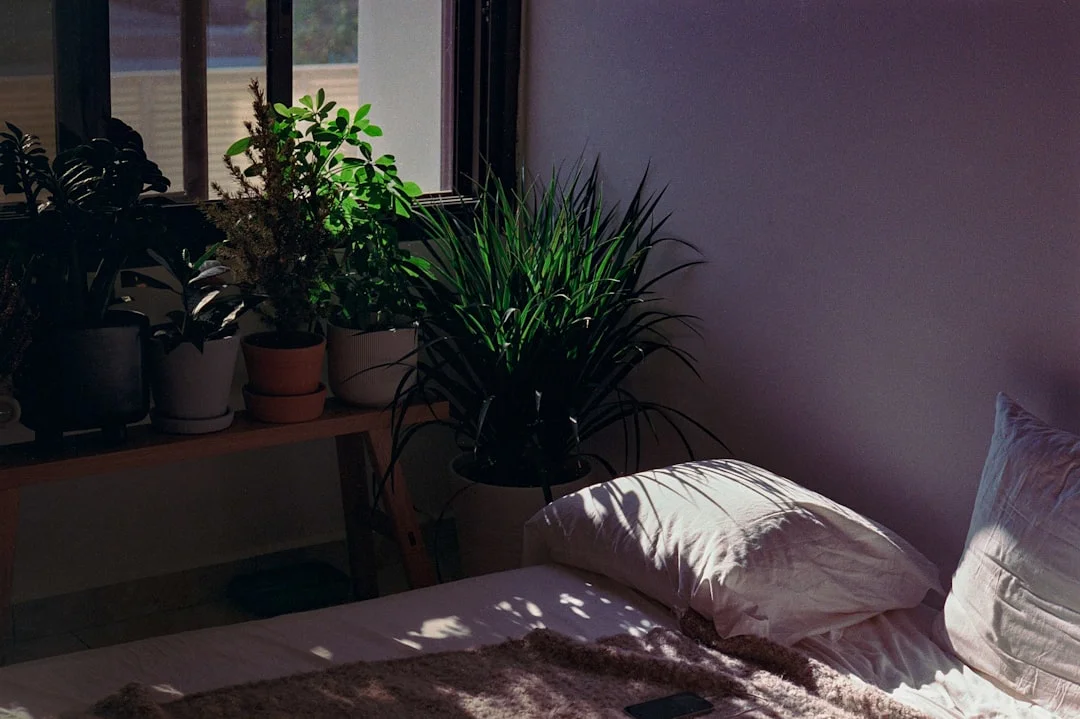
While the traditional language of Qi may seem esoteric, its principles align remarkably well with modern environmental psychology and design. The importance of energy flow translates directly into the impact of our surroundings on our mental state, behavior, and overall quality of life. Environmental Psychology: This field studies how physical settings affect human psychology. A space with good "energy flow" in Feng Shui terms is what psychologists would call a coherent, legible environment with clear prospect and refuge. It reduces cognitive load and subconscious stress. When we walk into a room with a confusing layout or visual clutter, our brain works harder to process the space, leaving fewer resources for concentration or relaxation. Impact on Mood and Behavior: Smooth energy flow correlates with emotional well-being. A home where one can move freely from room to room without obstruction fosters a sense of ease and connection among family members. Conversely, blocked pathways (literal or visual) can create subconscious friction and irritability. The flow of light and air, paramount in Feng Shui, is also critical for circadian rhythms and mood regulation, as modern science confirms. Productivity, Stress, and Lifestyle Influence: In a work context, the flow of Qi mirrors the flow of work and ideas. A desk facing a wall (with no "Ming Tang" or open prospect) can feel limiting and stifling, potentially hindering creative thinking. A restful bedroom with a protected, calm energy flow (minimizing electronic devices and sharp corners) directly supports deeper sleep and lower stress, which has cascading benefits for health and daily performance. Thus, managing energy flow becomes a practical tool for shaping daily experience and long-term outcomes.
Insights
- To improve the energy flow in a hallway where Qi moves too quickly, place a small rug, a round side table, or a piece of art on the wall to slow and gently disperse the moving energy.
- Incorporate living plants with rounded leaves in corners or near electronic equipment to introduce the Wood element and help circulate fresh, vibrant energy throughout a stagnant room.
- Ensure that the primary seating position in any important room, like an office or living room, has a solid wall behind it and a clear, unobstructed view of the entrance.
- Regularly declutter spaces underneath furniture and inside closed cabinets, as hidden stagnation can subtly undermine the overall sense of flow and lightness in your home.
- Use a variety of lighting sources at different heights—such as floor lamps, table lamps, and overhead fixtures—to create a dynamic and layered illumination that guides energy flow pleasantly.
Conclusion
The importance of energy flow in Feng Shui stems from a profound understanding that we are in a constant, dynamic exchange with our surroundings. By intentionally shaping the pathways and quality of Qi in our spaces, we are not engaging in superstition but in a form of environmental stewardship for our own well-being. Whether interpreted through ancient metaphors of wind and water or through modern lenses of psychology and design, the principle remains valid: a space that allows for smooth, balanced circulation of energy becomes a foundation for health, clarity, and opportunity. It transforms a static arrangement of walls and objects into a living, supportive ecosystem that actively contributes to a harmonious life.