The kitchen holds a position of profound significance within the home, far beyond its practical function of meal preparation. In the art of Feng Shui, it is revered as the heart of the household, the primary source of nourishment for both body and spirit. Its condition directly influences the health, wealth, and harmony of the residents. A clean and orderly kitchen is not merely a matter of hygiene or aesthetics; it is a fundamental requirement for cultivating positive energy, or Qi. When clutter, grime, and disorganization accumulate, they create energetic blockages that can stagnate the flow of prosperity and well-being throughout the entire home. Understanding this connection transforms the simple act of cleaning into a powerful practice of environmental and personal care.
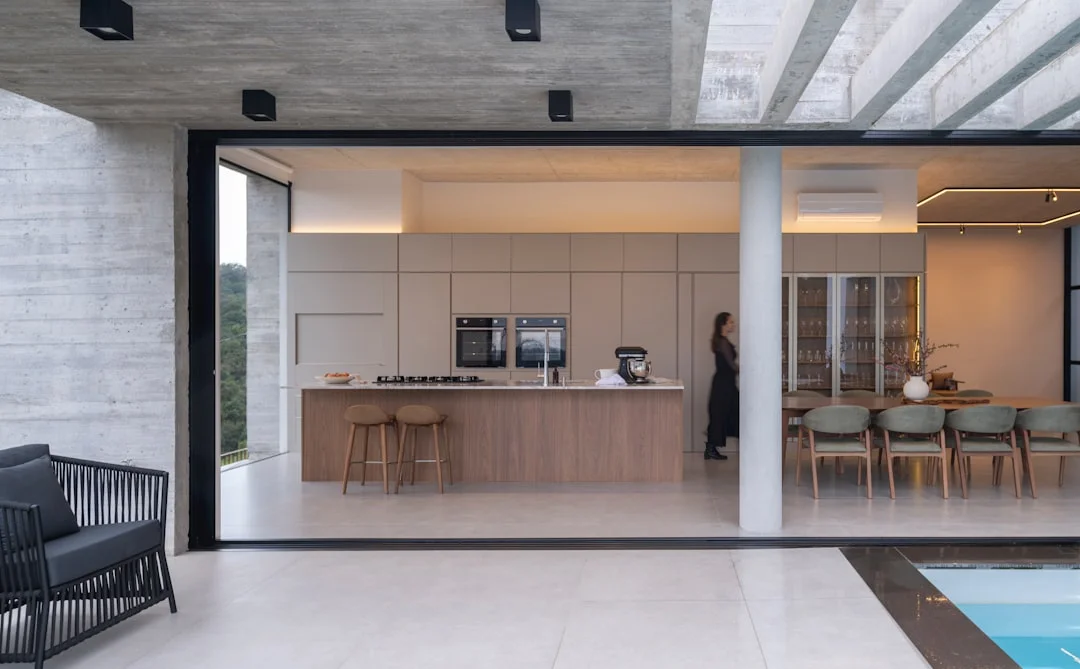
Core Concept
In Feng Shui philosophy, every space within a home corresponds to specific aspects of life. The kitchen is uniquely powerful, representing nourishment, wealth, and health. It is the primary domain of the Fire element, which governs transformation, passion, and vitality, as this is where raw ingredients are transformed into sustaining meals. The energy, or Qi, generated here feeds the entire household, influencing physical vitality and financial abundance. A clean kitchen represents a clear and efficient pathway for this nourishing Qi to flow. Imagine Qi as a gentle stream. A pristine kitchen is like a clean, unobstructed riverbed, allowing the water to flow smoothly and nourish the land. A dirty kitchen, with piled dishes, sticky counters, and overflowing trash, is akin to a river clogged with debris. The energy becomes stuck, murky, and stagnant. This stagnation can manifest in real-life environments as frequent arguments during meal times, a sense of dread about cooking, persistent minor health issues, or difficulties in managing household finances. The state of the kitchen directly mirrors the state of one's resources and capacity for self-care.
Traditional Feng Shui Perspective
From a classical Feng Shui standpoint, the kitchen is a dynamic arena where fundamental principles interact with potent force. Its analysis involves a careful balance of Yin and Yang, the harmonious interplay of the Five Elements, and the mindful management of Qi flow through spatial arrangement. The concept of Yin and Yang is crucial. Cooking itself is a Yang activity—active, hot, and transformative, fueled by the Fire of the stove. The space, however, should maintain an underlying Yin quality—cool, calm, and receptive—to balance this intense energy. Excessive clutter and dirt are chaotic, hyperactive Yang energies that overwhelm the space, destroying the necessary balance. A clean kitchen supports this equilibrium, where controlled Yang (the cooking process) occurs within a serene, Yin container. The Five Elements theory is deeply embedded in kitchen design. The primary element is Fire, represented by the stove, oven, and microwave. Water is present in the sink, refrigerator, and dishwasher. The inherent relationship between Fire and Water is one of conflict; Water can extinguish Fire. Therefore, classical Feng Shui advises against placing the sink directly opposite or adjacent to the stove, as this can symbolically "douse" one's wealth and health. A clean kitchen mitigates this conflict. Spills and leaks from a dirty sink amplify the Water element's chaotic influence, while grease and burnt food residues exaggerate the Fire element's destructive potential. Maintaining cleanliness keeps these powerful elements in their proper, respectful places. Qi flow and spatial harmony are paramount. The stove is considered the "wealth generator" of the home. Its burners should be clean, fully functional, and used regularly to "activate" prosperity. A dirty stove with clogged burners symbolizes a blocked income stream. Similarly, the refrigerator, which stores nourishment, should be clean inside and out, signifying the preservation of abundant resources. Pathways within the kitchen must be clear, allowing Qi (and people) to move freely without obstruction, preventing energy from becoming trapped in corners behind piles of items.
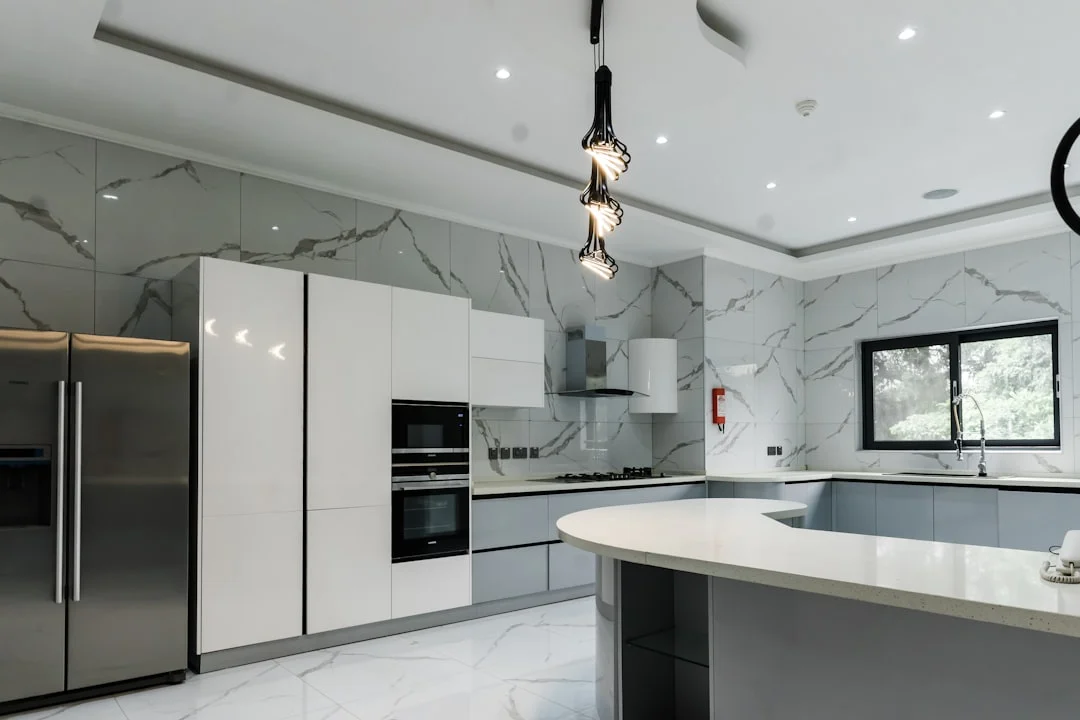
Modern Interpretation
Contemporary environmental psychology and design thinking arrive at remarkably similar conclusions about the importance of a clean kitchen, albeit through a different lexicon. The modern interpretation validates ancient wisdom by explaining how our surroundings directly impact our mental state, behavior, and daily life. A cluttered and dirty kitchen is a significant source of cognitive load and subconscious stress. Visual chaos competes for our mental attention, reducing our ability to focus and making simple tasks feel overwhelming. This environment can induce anxiety and a sense of being out of control, which negatively affects mood and can lead to irritability among family members. The kitchen is often a gathering point; if it feels stressful, it undermines social harmony and meaningful connection. From a behavioral standpoint, a clean kitchen invites positive action. It makes the process of cooking feel more accessible and enjoyable, promoting healthier eating habits. When the space is orderly, we are more likely to prepare nutritious meals at home rather than opting for less healthy convenience foods. This directly supports the Feng Shui principle of the kitchen governing health. Furthermore, the act of maintaining a clean kitchen cultivates discipline and respect for one's environment, reinforcing a proactive and caring mindset that extends to other areas of life, including financial management. Practically, a clean kitchen is simply safer and more efficient. It reduces the risk of foodborne illness, pest infestations, and accidents. This practical benefit aligns perfectly with the Feng Shui goal of protecting and enhancing the health and well-being of the occupants. The modern understanding confirms that a well-ordered space supports a well-ordered mind and a more harmonious, productive lifestyle.
Insights
- Regularly cleaning your stove burners and oven symbolizes clearing blockages to allow new opportunities and financial energy to flow freely into your household.
- Immediately repairing leaky faucets and ensuring your sink is empty and clean at night prevents the symbolic and literal draining of your resources and vitality.
- A well-organized pantry and refrigerator, free of expired items, reflects your ability to manage and appreciate the abundance currently present in your life.
- Keeping countertops clear and wiping them down daily creates a receptive space for clarity of thought and invites peaceful, nourishing activities into your routine.
Conclusion
The importance of a clean kitchen in Feng Shui transcends mere superstition or arbitrary rule. It is a practical, holistic philosophy that links the physical state of our environment to the qualitative experience of our lives. The kitchen, as the heart of the home, requires conscientious stewardship. By maintaining its cleanliness and order, we actively nurture the flow of positive Qi, which supports physical health, fosters harmonious relationships, and cultivates an atmosphere conducive to prosperity. This ancient practice finds resonance in modern understanding, reminding us that the care we invest in our immediate surroundings is a direct investment in our own well-being and the vitality of our home.