The main door is universally recognized as the primary portal between our private sanctuary and the external world. In many traditions, it is considered the mouth of the home, where energy, opportunities, and impressions first enter. What we position directly before this critical threshold can have a profound effect on the initial quality of that entry. This article explores items and arrangements that are traditionally advised against, examining the principles behind these guidelines and their relevance to contemporary living.
Core Concept
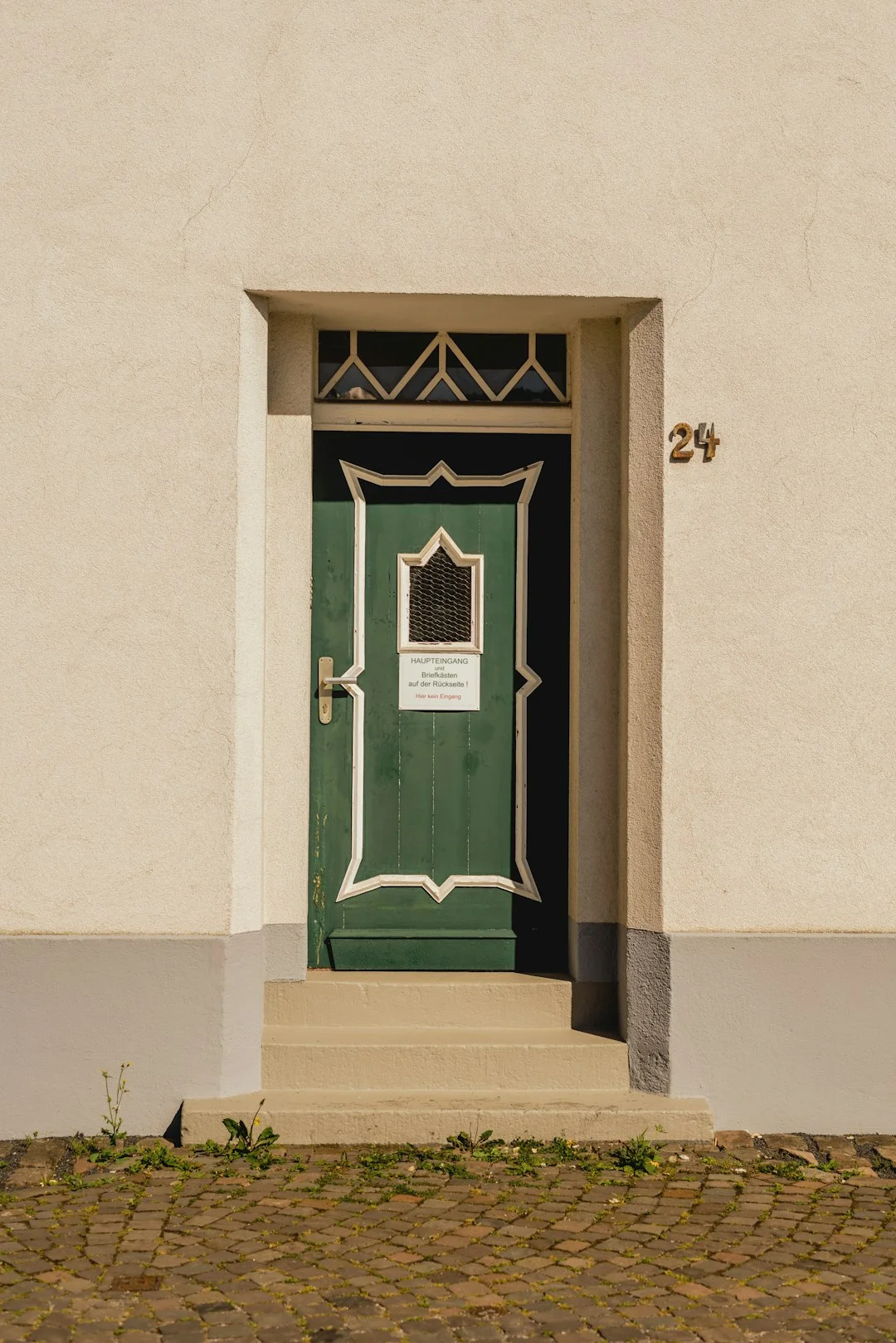
The space immediately in front of the main door represents the transition zone where external energy, or Qi, is gathered, filtered, and invited inside. This area functions as a prelude to the entire home's atmosphere. A clear and welcoming approach allows for the smooth, positive influx of this energy, which influences prosperity, health, and social interactions. Conversely, a blocked or threatening approach can stifle this flow, creating a sense of resistance, anxiety, or missed opportunities before one even steps inside. In practical terms, this is the first environment you and your guests experience. A cluttered, dark, or obstructed entryway creates a negative first impression and can subconsciously signal chaos or unwelcomeness. Real-life examples include a home where the door opens directly into a pile of shoes, faces a stark blank wall, or is overshadowed by a large, looming tree. These setups physically and psychologically affect how one enters and feels within a space.
Traditional Feng Shui Perspective
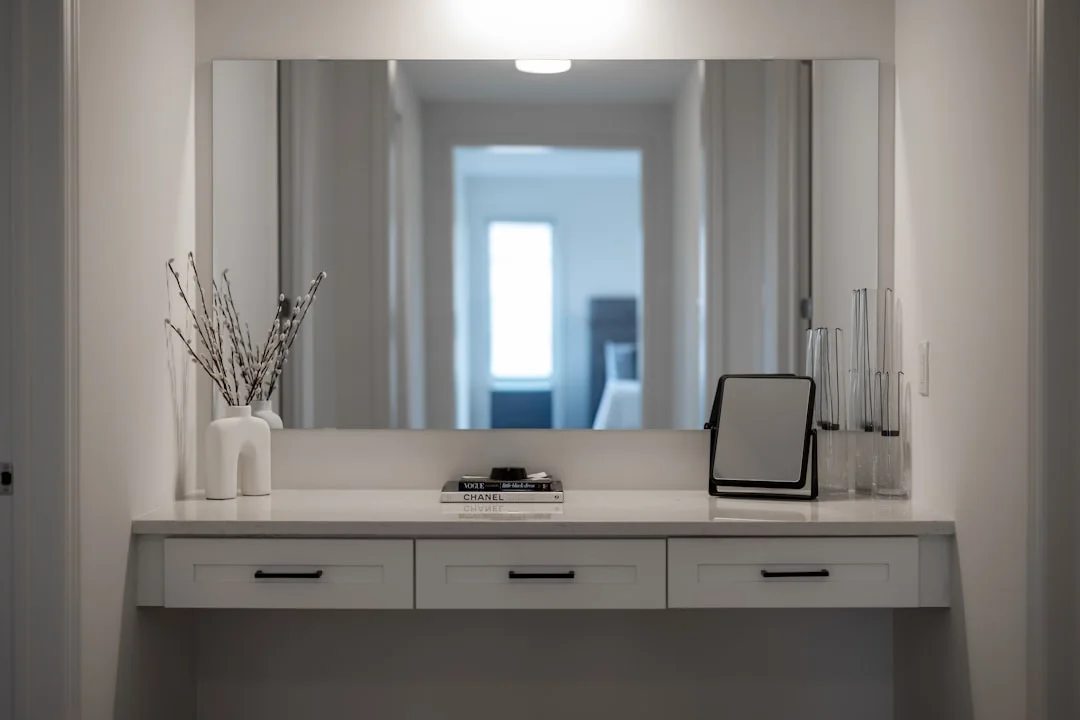
From the classical Feng Shui viewpoint, the main door is the most critical point for harnessing beneficial Qi. The principles governing what should not be placed before it are derived from the intricate balance of Yin and Yang, the interactions of the Five Elements, and the fundamental need for unimpeded energy movement. Yin-Yang Balance in Space: The entrance should maintain a harmonious balance. Placing excessively Yin objects, such as a water feature or a dark, stagnant pile, can create an overly passive, draining energy that cools enthusiasm. Excessively Yang objects, like a bright, glaring light or a sharp-edged sculpture, can create aggressive, chaotic energy that feels overwhelming. The goal is a balanced, inviting approach that is neither too intimidating nor too lethargic. Five Elements Interactions: The element of the front door area is often associated with Metal, which governs clarity, precision, and boundaries. Clutter or decaying plants (representing chaotic Wood or depleted Earth) can weaken this Metal energy. A large water feature directly facing the door can symbolize Water leaking away wealth. A large, roaring fireplace (Fire) visible from the entrance can metaphorically "burn up" incoming opportunities. The ideal is to support the Metal element with orderly, well-defined structures and perhaps gentle Earth elements for stability. Qi Flow and Spatial Harmony: The paramount rule is to avoid anything that blocks, deflects, or poisons the Qi. A solid wall, a large cabinet, or a towering plant placed directly opposite the door acts as a barrier, causing energy to stagnate or bounce back immediately. A sharp corner or edge pointing directly at the door is considered "poison arrow" or "secret arrow" Sha Qi, creating a sense of being attacked. The path should be clear, allowing Qi to meander gently into the home's interior. Symbolism of Layout and Structure: Symbolism is deeply important. A toilet door visible from the main entrance symbolically flushes away good fortune. A mirror directly facing the door is said to reflect and push away incoming Qi and opportunities. Stairs that rush downward toward the door can symbolize energy and resources flowing straight back out. The symbolism should always support retention, welcome, and upliftment.
Modern Interpretation
Modern environmental psychology and design thinking provide a compelling, non-esoteric rationale for these ancient guidelines. The entryway sets the cognitive and emotional tone for the entire dwelling, impacting mood, behavior, and stress levels from the moment one arrives home. Environmental Psychology: A cluttered, obstructed entry triggers a subconscious stress response, signaling disorder and creating a mental burden before one has even decompressed. A clear, well-lit, and aesthetically pleasing entryway acts as a cognitive "airlock," facilitating the mental transition from public to private life. It reduces cognitive load and promotes a sense of calm and control. Impact on Mood and Behavior: What you see first influences your immediate state. Facing a messy pile of daily clutter can evoke feelings of irritation or being overwhelmed. A beautiful piece of art, a pleasant scent, or a tidy space can uplift the mood. A door that opens to a solid wall can feel oppressive and limiting, while one that offers a pleasant glimpse into the home feels inviting and expansive. Productivity, Stress, and Lifestyle Influence: An efficient, welcoming entryway reduces morning friction, making departures smoother and less stressful. This sets a more positive tone for the day. For guests, it creates an immediate impression of hospitality and care, fostering better social interactions. In essence, managing this space is a practical act of self-care and household management that reduces daily friction and enhances overall well-being. Practical Real-Life Meaning: The advice translates to sensible design and housekeeping. It means creating a functional landing zone for items like keys and shoes without letting them become a permanent obstacle. It means ensuring the sightline from the door is pleasant, not confronting. It is about using lighting, color, and space to create a transition that feels both intentional and gracious.
Insights
- Ensure the primary sightline from your open door reveals something uplifting, like art or a plant, rather than a functional or chaotic area like a kitchen sink or a cluttered hallway. This simple visual cue can dramatically shift the feeling of entering your home from one of chore to one of welcome.
- Incorporate gentle, diffuse lighting at your entrance to avoid harsh shadows or glare, which can subconsciously create a sense of either hidden threat or overwhelming exposure. Proper illumination is a key factor in making a space feel safe and navigable at any hour.
- Maintain a dedicated and organized system for items like shoes and coats immediately inside the door to prevent daily clutter from accumulating and becoming a permanent energy block. This practical habit supports both classical Qi flow and modern mental clarity.
- If your door opens directly to a wall, consider placing a small console table with a round mirror above it to visually expand the space, but ensure the mirror does not directly reflect the door itself. This balances the modern need for space with traditional caution about reflecting energy away.
- Regularly clean and maintain the exterior path and doorway area, as peeling paint, dead plants, or poor repair can symbolically and literally suggest neglect to both energy and visitors. The internal state of a home is often first judged by the care shown at its threshold.
Conclusion
The guidance on what to avoid placing before the main door is less about superstition and more about cultivating intentionality at a critical interface. Whether interpreted through the classical lens of Feng Shui, with its focus on Qi flow and elemental balance, or through modern environmental psychology, which examines first impressions and cognitive transitions, the conclusions are remarkably aligned. A clear, welcoming, and harmonious entrance fosters a positive influx of energy, sets a tone of calm and order, and functionally supports daily life. By mindfully curating this transitional space, we create a foundation of welcome and well-being for all who cross our threshold.