The living room serves as the social heart of a home, a space where family gathers and guests are welcomed. In Feng Shui, it is considered the primary area for the circulation of Qi, or vital energy, which directly influences the well-being, harmony, and fortune of the household. Just as a healthy heart requires clear arteries, a harmonious living room requires an unobstructed and balanced flow of energy. This article explores key elements to avoid in living room design and arrangement, drawing from classical Feng Shui theories and their resonance with modern environmental psychology. By understanding these principles, one can cultivate a space that feels intuitively supportive and uplifting.
Core Concept
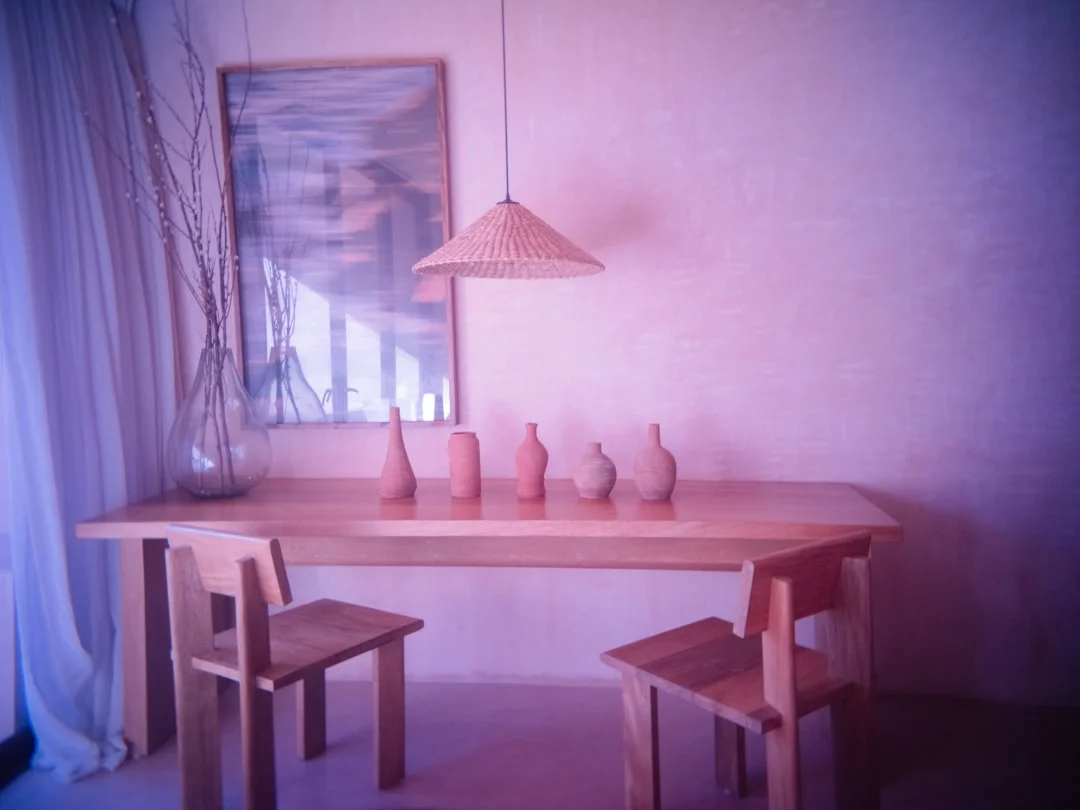
At its core, living room Feng Shui is about managing the movement and quality of Qi within a communal space. Qi should enter gently, circulate smoothly, and collect beneficially, nourishing the occupants. Obstructions, imbalances, or chaotic elements disrupt this flow, creating stagnant or turbulent energy that can subtly impact mood, communication, and a sense of security. The living room represents the "Ming Tang" or bright hall, symbolizing one's career prospects and social life. A cluttered, dark, or sharply divided living room can metaphorically and energetically stifle these aspects of life. For instance, a main door that opens directly to a large window may cause Qi to rush straight through without pausing to benefit the home, much like a draft that makes a room physically uncomfortable.
Traditional Feng Shui Perspective
From a classical viewpoint, the living room's arrangement is a delicate dance of fundamental principles. The balance of Yin and Yang is paramount; the space should avoid being overly Yang with excessive bright light, hard surfaces, and loud colors, or overly Yin with pervasive darkness, dampness, and inactivity. A healthy mix—soft textiles balancing hard floors, ambient light complementing natural light—creates a hospitable environment. The Five Elements theory provides a framework for assessing harmony. An overabundance or deficiency of any element can create imbalance. For example, too much Fire element (represented by red hues, triangular shapes, or actual fireplaces) without the moderating influence of Water (blues, blacks, wavy forms) can lead to a space that feels agitated and prone to conflict. Conversely, excessive Water without the grounding of Earth (yellows, squares, ceramics) can feel emotionally cold and unstable. Qi flow is meticulously analyzed. The main entrance is a crucial "mouth of Qi." A living room where the door aligns with a corner, a large column, or a bulky piece of furniture creates "Sha Qi" or attacking energy, an unwelcome first impression for both people and energy. Furniture placement, especially sofas, should be against a solid wall for symbolic support and arranged in a welcoming, inclusive formation (like a U-shape) to encourage gathering. Sharp ceiling beams, exposed overhead, are considered to press down on occupants, creating subconscious pressure and fragmenting the space's energy field.
Modern Interpretation
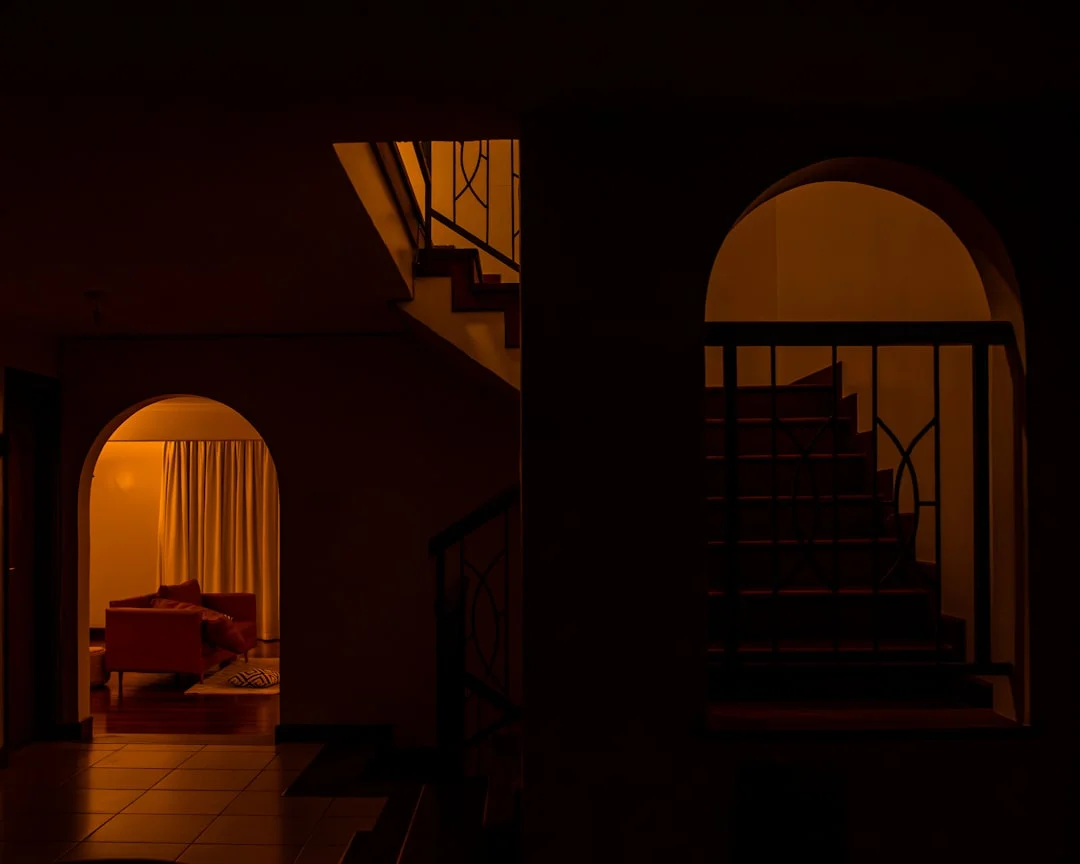
Modern environmental psychology and design thinking often validate these ancient principles through the lens of human perception and behavior. What Feng Shui terms "Sha Qi" from sharp corners aligning with seating areas, psychology identifies as a source of subconscious unease, triggering subtle defensive reactions. The recommendation for a supported sofa placement aligns with our innate need for security—sitting with one's back to an open room or a high-traffic pathway can increase stress levels and reduce relaxation. The avoidance of clutter is a prime example of convergence. Feng Shui sees clutter as stagnant Qi that blocks new opportunities. Psychologically, visual clutter increases cognitive load, raises cortisol levels, and reduces the ability to focus or rest. A living room overwhelmed with items creates a sense of chaos, hindering clear communication and peaceful coexistence. Similarly, poor lighting—either too harsh or too dim—is known to affect circadian rhythms, mood, and even productivity, mirroring the Feng Shui concern for balanced Yin and Yang light. The modern interpretation moves beyond superstition to focus on intentionality. Choosing art that evokes positive emotions, arranging furniture to facilitate conversation, and ensuring clear, safe pathways through the room are all practices that create a space which feels intuitively "right." This fosters a better quality of life, reduces household tension, and creates an environment where both residents and guests feel genuinely comfortable and at ease.
Insights
- Always position your primary seating, such as sofas, against a solid wall to cultivate a psychological sense of security and support in your social interactions.
- Remove any furniture or decor with sharp, pointing corners aimed directly at seating areas to prevent the subconscious feeling of being attacked.
- Keep the pathway between the main door and the living room entrance completely clear of obstacles to allow energy and opportunities to enter smoothly.
- Balance electronic devices and bright lights with natural materials and soft textiles to prevent sensory overload and maintain energetic equilibrium.
- Ensure your living room has a dedicated, well-defined focal point, such as a hearth or a piece of art, to anchor the space and gather positive energy.
Conclusion
Crafting good Feng Shui in the living room is less about adhering to rigid rules of mysticism and more about cultivating an environment of harmony, comfort, and intentional flow. By avoiding common pitfalls such as obstructive layouts, elemental imbalances, and chaotic clutter, one actively shapes the quality of energy in the home's most social space. These principles, whether viewed through the traditional lens of Qi management or the modern understanding of environmental psychology, guide us toward creating living rooms that are not just aesthetically pleasing, but fundamentally nourishing. The ultimate goal is a space that supports well-being, fosters positive relationships, and feels like a true sanctuary for all who enter.