While Feng Shui considers the entire home as an interconnected energy system, certain rooms act as primary organs, exerting disproportionate influence on the overall vitality and harmony of the space. These key areas are where energy is generated, transformed, and distributed, directly impacting the health, relationships, and prosperity of the inhabitants. Understanding which rooms hold the most sway allows for targeted adjustments that can create profound positive shifts throughout the entire living environment.
Core Concept
In Feng Shui, a home is a microcosm, a living entity with its own energy circulatory system. The concept of Qi, or vital life force, flows through this system, nourishing different aspects of life. Some rooms function as major energy pumps or critical junctions. The front door, for instance, is the "Mouth of Qi," where energy first enters. The kitchen represents wealth and nourishment, actively generating energy through the element of Fire. The bedroom governs rest and intimate relationships, a space where energy is received and restored. The bathroom, conversely, is where energy drains away. When these pivotal rooms are balanced and clear, they efficiently distribute beneficial Qi; when blocked or chaotic, they can create systemic stagnation or loss that affects all other areas.
Traditional Feng Shui Perspective
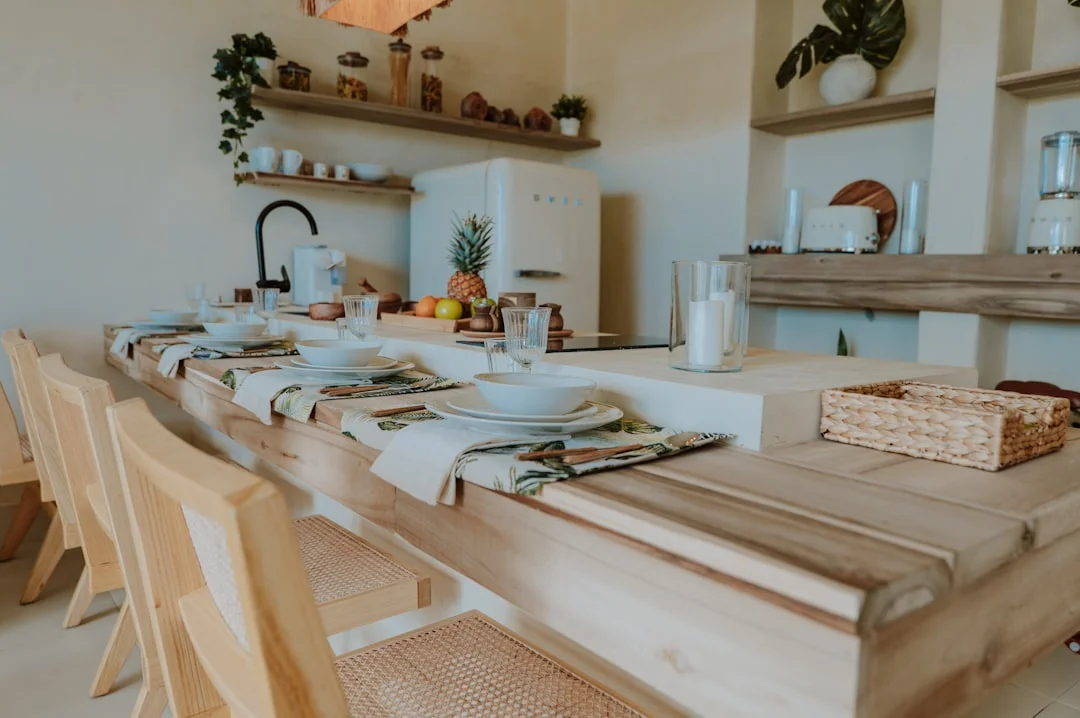
From a classical standpoint, the hierarchy of room importance is deeply tied to fundamental principles of energy management, directional alignment, and elemental interaction. The Main Entrance is paramount. It is not merely a physical door but the primary point of contact between the home's interior Qi and the external environmental Qi. Its direction, according to the Bagua map, activates a specific life area. A bright, welcoming, unobstructed entrance invites auspicious Sheng Qi, while a dim, cluttered one attracts stagnant or hostile Sha Qi from the outset. The Kitchen holds immense symbolic weight. It combines the potent elements of Fire (stove) and Water (sink), which must be carefully balanced to avoid elemental conflict. The stove represents wealth and prosperity; its placement is critical. Traditionally, it should be positioned so the cook does not stand with their back to the door, a stance of vulnerability. The kitchen's health directly symbolizes the family's nourishment and financial stability. The Master Bedroom is the sanctuary for restoration and partnership. Here, Yin energy (rest, receptivity) should dominate, but not without the supportive presence of Yang. The bed's placement is the single most important factor—it must have a solid wall behind it (the "mountain" support) and a commanding view of the door without being directly in line with it. This position allows for deep relaxation and a sense of security, fostering healthy relationships. The Bathroom presents a unique challenge. As a space of elimination and constant water flow, it is associated with the draining of energy and resources. Classical Feng Shui focuses on mitigating this drain by ensuring bathroom doors remain closed, toilets seats are lowered, and the space is kept exceptionally clean and well-ventilated to prevent Qi from becoming polluted and escaping. Finally, the Central Area or heart of the home is crucial. Known as the Tai Qi, it should be an open, unobstructed, and bright space to allow for the smooth circulation and mixing of Qi from all other sectors, integrating the home's energy into a harmonious whole.
Modern Interpretation
Contemporary environmental psychology and design principles echo these ancient insights, validating them through the lens of human behavior and well-being. The Main Entrance sets the psychological tone. A cluttered, dark entryway subconsciously signals chaos and creates immediate stress upon arriving home. A clean, well-lit entry acts as a transition zone, allowing the mind to shed the outside world's burdens and enter a state of domestic calm, directly impacting mood and stress levels. The Kitchen is the hub of activity and health. Modern studies show that a dysfunctional, cluttered kitchen discourages home cooking and healthy eating habits, affecting physical well-being. A kitchen where the cook feels insecure (e.g., with their back to a doorway) creates low-grade anxiety, which can subtly transfer to food preparation and family interactions. A well-organized, pleasant kitchen encourages gathering and nurturance. The Bedroom's impact on sleep quality and interpersonal dynamics is well-documented. A bed positioned in a vulnerable spot, facing a mirror, or overloaded with electronic devices (sources of electromagnetic and mental "noise") disrupts the nervous system's ability to achieve restorative sleep. This directly correlates with reduced cognitive function, emotional irritability, and strained relationships. The Bathroom is a space of hygiene and self-care. A damp, moldy, or chaotic bathroom is not just an energy drain in the abstract sense; it is a breeding ground for allergens and bacteria, impacting physical health. It can also subconsciously reinforce feelings of neglect or disorder in one's personal care routine. The Central Living Area functions as the family's social heart. An open, inviting, and comfortable living room or great room facilitates connection, communication, and shared experiences. A closed-off, television-dominated, or furniture-arranged-for-isolation space discourages family interaction and can contribute to feelings of loneliness and disconnection within the home.
Insights
- Prioritize creating a clear, inviting entranceway, as it acts as the primary filter for all energy entering your home and sets your first impression daily.
- Position your bed so you can see the door while resting, which leverages environmental psychology to reduce subconscious anxiety and improve sleep quality.
- Keep the toilet lid closed and the bathroom door shut to symbolically and practically contain energy and maintain a sense of hygiene throughout your living space.
- Balance the Fire (stove) and Water (sink) elements in your kitchen by ensuring they are not directly opposite, preventing a sense of elemental conflict during meal preparation.
- Declutter the central area of your floor plan to allow energy and family movement to flow freely, fostering integration and spontaneous interaction among inhabitants.
Conclusion
The rooms that affect Feng Shui energy the most are those that perform essential life functions: the entrance (reception), the kitchen (nourishment), the bedroom (restoration), and the bathroom (release). By applying both traditional principles and modern psychological understanding to these key spaces, we move beyond superstition into the realm of intentional environmental design. The goal is not to predict fortune, but to consciously create a home that supports physical health, emotional calm, and harmonious relationships by optimizing the flow and quality of energy in its most critical channels. When these core rooms are in balance, the entire home system thrives.