The bedroom is a sanctuary for rest, rejuvenation, and intimacy. Its quality directly impacts our physical vitality and mental clarity. To cultivate a space that truly supports well-being, it is essential to be mindful of the objects we allow into this environment. This article explores specific items that, according to the principles of Feng Shui and environmental psychology, disrupt the harmonious energy necessary for deep sleep and personal restoration. By understanding the rationale behind removing these objects, we can make intentional choices to transform our bedrooms into havens of peace.
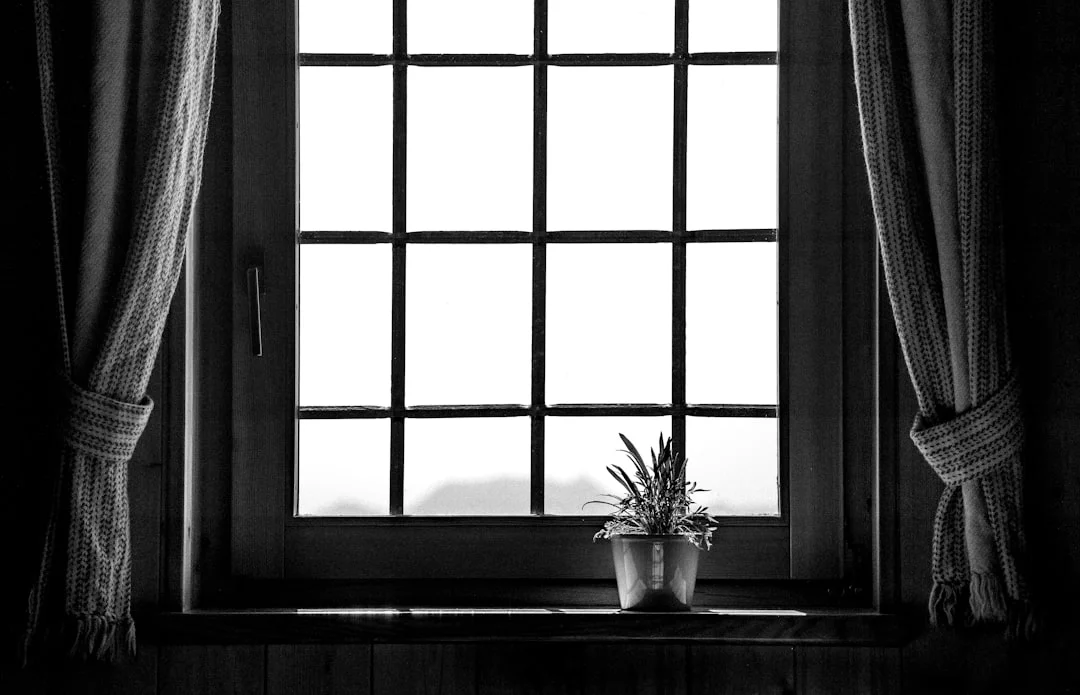
Core Concept
The core concept revolves around the principle of intentional space curation for optimal Qi, or life force energy. In the context of the bedroom, Qi should be calm, gentle, and nurturing to facilitate the body's natural healing processes during sleep. Every object in a room possesses its own energy field and symbolic weight, which interacts with the room's overall atmosphere. Objects that are overly active, emotionally charged, or functionally dissonant create energetic "noise" that disturbs this essential calm. For instance, a bedroom cluttered with exercise equipment or work documents subconsciously signals activity and stress, making it difficult for the mind to switch into a state of rest. The goal is to create an environment where the energy is exclusively aligned with the purposes of sleep, relaxation, and intimate connection.
Traditional Feng Shui Perspective
From a classical Feng Shui standpoint, the bedroom is a deeply Yin space. It should embody the qualities of receptivity, darkness, quiet, and coolness to balance the Yang (active, bright, warm) energy we engage with throughout the day. The arrangement and contents of the room must support this fundamental Yin-Yang equilibrium. The Five Elements theory provides a further lens for analysis. The bedroom primarily benefits from the nurturing, stable energy of the Earth element and the gentle, flowing energy of the Water element. Objects that introduce excessive or conflicting elemental energies create imbalance. For example, a large television or numerous electronic devices (intense Fire element) overstimulate the space and can "burn out" the calm Yin energy. Mirrors (associated with the Water element, but in an active, reflective way) are often advised against, as they are believed to accelerate and scatter Qi, preventing it from settling peacefully around the sleeper. This can lead to restless sleep. Qi flow is paramount. The bed, as the central feature, should have a clear and supported position, often with a solid wall behind it and a clear view of the door without being directly in line with it. Objects stored under the bed, especially clutter or sharp items, are considered detrimental as they disrupt the Qi flowing around the body during sleep. Symbolically, the space under the bed should be kept clear to allow for new opportunities and clear energy to enter one's life, rather than being blocked by stagnant items.
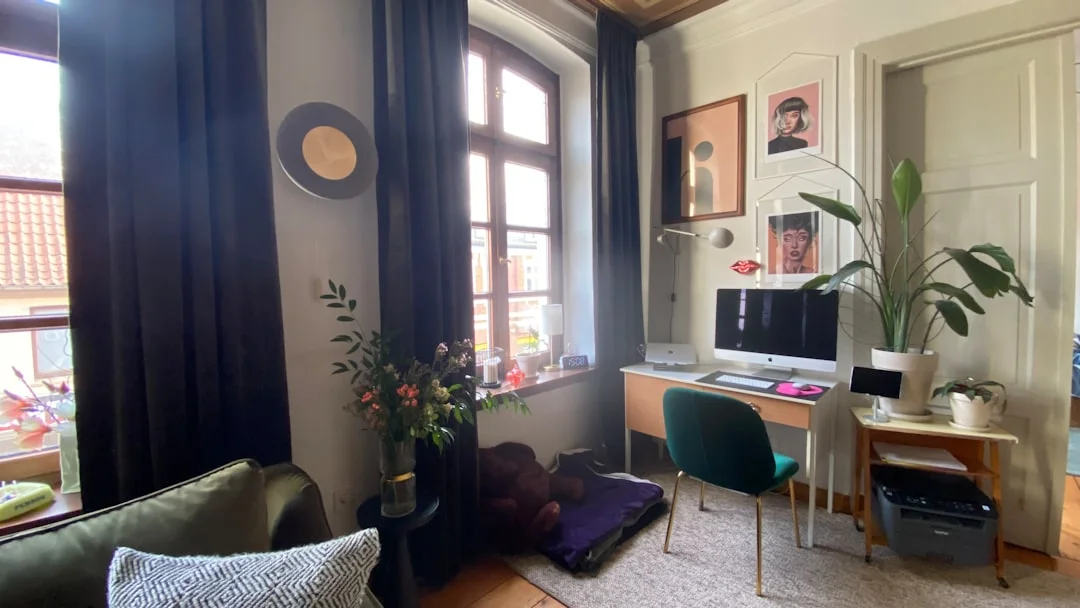
Modern Interpretation
Modern environmental psychology and sleep science strongly echo these ancient principles, providing a evidence-based framework for understanding the bedroom's impact. Our brains are highly associative; the objects in our visual field trigger cognitive and emotional responses. A bedroom that contains reminders of work, such as a laptop or files, can perpetuate anxiety and make it difficult to mentally disengage from professional responsibilities, a state psychologists call "cognitive pre-sleep arousal." Similarly, exercise equipment can induce feelings of guilt for not working out or subconsciously prime the body for physical exertion rather than relaxation. The presence of excessive clutter has been consistently linked to elevated cortisol levels, the body's primary stress hormone. A disorganized space signals to the brain that work is unfinished, creating a low-grade sense of threat that is antithetical to restorative sleep. The impact of technology is a critical modern concern. The blue light emitted from screens suppresses melatonin production, directly interfering with our circadian rhythm. Beyond the physiological effect, the constant potential for notifications—emails, messages, news updates—keeps the nervous system in a state of alert. Even when powered off, these devices serve as symbolic anchors to the demanding, interconnected world outside the bedroom door. Creating a strictly sleep-conducive environment, free from these intrusions, is a cornerstone of modern sleep hygiene practices.
Insights
- Remove all work-related materials, including laptops, notebooks, and briefcases, to create a firm psychological boundary between professional stress and personal sanctuary.
- Take out exercise equipment like stationary bikes or weights, as their presence subliminally promotes physical activation instead of the calm required for sleep.
- Minimize or eliminate large electronic devices and charging stations to reduce electromagnetic fields and the mental temptation of digital engagement before sleep.
- Clear out under-bed storage of old boxes or miscellaneous clutter to prevent the symbolic and energetic stagnation of your foundational life energy.
- Consider relocating large mirrors that directly face the bed to avoid the subconscious stimulation of reflected movement during the night.
Conclusion
Curating a bedroom for better rest is an exercise in environmental intentionality. By integrating the wisdom of Feng Shui, which emphasizes calm Qi and Yin-Yang balance, with the findings of modern psychology concerning stress and sleep hygiene, we arrive at a clear set of guidelines. The process is not about superstition, but about consciously designing a space where every object supports a single, vital purpose: profound restoration. Removing items that symbolize work, strenuous activity, clutter, and digital intrusion allows the room to function optimally as a true retreat. In doing so, we invest directly in the quality of our sleep, our relationships, and our overall well-being.