The kitchen is far more than a utilitarian space for meal preparation; it is the energetic heart of the home, a place where nourishment is created and family gathers. The lighting within this vital room plays a crucial role in shaping its atmosphere, functionality, and the flow of energy, or Qi. Optimal kitchen lighting harmonizes practical needs with the principles of environmental balance, influencing everything from culinary creativity to interpersonal harmony. This article explores how to select lighting that fosters a vibrant, balanced, and supportive kitchen environment.
Core Concept
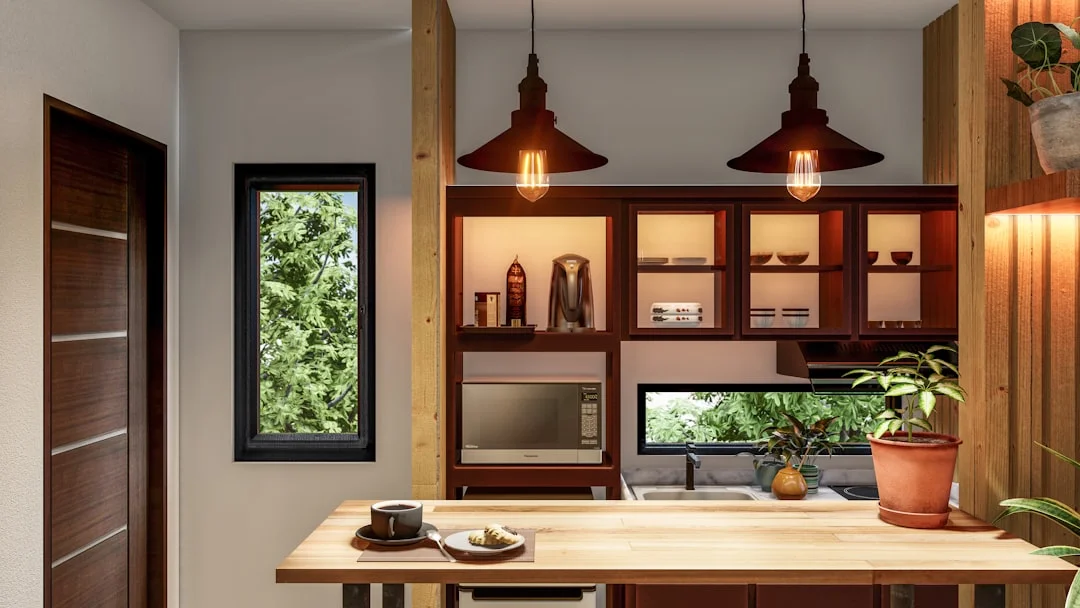
In Feng Shui and traditional aesthetics, lighting is considered a dynamic representation of the Fire element, which governs activity, passion, warmth, and transformation. The kitchen itself is inherently a Fire-dominant space due to the presence of the stove. Lighting, therefore, either complements or competes with this foundational energy. Its primary role is to guide and enhance the flow of Qi, making the space feel alive, safe, and inviting. Proper lighting illuminates tasks without creating harshness, supports social interaction, and symbolically "cooks" the energy in the room, making it digestible and beneficial for the home's occupants. Consider a kitchen bathed solely in the cool, shadow-casting light of a single overhead fluorescent fixture; it feels clinical, uninviting, and can strain the eyes, causing Qi to become stagnant or agitated. In contrast, a kitchen layered with warm under-cabinet task lighting, a central fixture with a diffuser, and perhaps a pendant light over a dining nook creates a symphony of illumination. This layered approach mirrors the complexity of life itself, offering clarity where needed and softness where desired, resulting in an environment that feels both energetically rich and personally comforting.
Traditional Feng Shui Perspective
From a classical Feng Shui standpoint, kitchen lighting must achieve a precise Yin-Yang equilibrium. The Yang aspects of cooking—heat, movement, and activity—require balancing Yin qualities of coolness, stillness, and nourishment. Lighting is a primary tool for this calibration. Overly bright, glaring lights (excessive Yang) can over-stimulate the Fire element, leading to rushed meals, irritability, and even metaphorical "burnout." Insufficient lighting (excessive Yin) can make the space feel dormant, depress Qi, and complicate safe food preparation. The Five Elements theory provides a sophisticated framework for selecting lighting. As a Fire element manifestation, lighting should be strategically placed to nourish the cycle. The stove represents Fire, and lighting above it should be bright and clear to empower this transformative energy. However, to prevent Fire from becoming overwhelming, one introduces the Earth element. This can be achieved through lighting fixtures with ceramic, stone, or clay bases (Earth), or by using warm, earthy light tones (yellow, amber) which belong to the Earth element in color therapy. Metal element fixtures (stainless steel, chrome) can be used to "exhaust" or control an overabundance of Fire, as Fire melts Metal in the controlling cycle. It is generally advised to avoid lighting that overly emphasizes the Water element (blue hues, wavy forms) directly opposite or overpowering the stove, as Water symbolically extinguishes Fire. Qi flow and spatial harmony are directly influenced by how light fills the room. Shadows and dark corners are seen as pockets where Qi stagnates, attracting negative energy. Therefore, lighting must be arranged to eliminate these dark areas, ensuring a smooth, unimpeded flow of energy throughout the kitchen. The direction of the kitchen also matters. A north-facing kitchen, associated with the Water element, may benefit from slightly warmer, Fire-element lighting to bring in compensatory warmth and activity. A south-facing kitchen, already strong in Fire energy, might be balanced with softer, Earth-toned lighting to ground the space.
Modern Interpretation
Modern environmental psychology and design principles echo these ancient concepts without using the traditional terminology. Studies show that lighting quality significantly impacts mood, cognitive performance, and social behavior. In the kitchen, this translates to tangible effects on daily life. Harsh, cool-toned lighting can increase stress levels and eye strain, making cooking feel like a chore and discouraging family interaction. It creates an environment where people want to finish quickly and leave. Conversely, a well-lit kitchen with layered, warm lighting is perceived as a hub of comfort. It supports circadian rhythms when using warmer tones in the evening, promotes safety by eliminating shadows near cutting areas, and enhances the visual appeal of food, which can encourage healthier eating habits. The impact on behavior is profound. A softly lit breakfast nook invites lingering conversation, strengthening family bonds. Proper task lighting over countertops reduces errors and increases efficiency, translating to lower frustration and a more enjoyable cooking experience. The psychological association of warm light with hearth and home directly influences one's emotional connection to the space, making the kitchen a true center for nurturing and creativity rather than just a functional aisle. Modern smart lighting systems allow for this Feng Shui principle of dynamic adjustment—bright, cool light for intensive midday cleaning, shifting to warm, dimmed light for a relaxing evening wine—aligning the environment with human activity in real time.
Insights
- Implement a three-tiered lighting strategy combining ambient, task, and accent lights to create a harmonious and fully functional space that moves energy effectively.
- Always choose dimmable fixtures to give you complete control over the Yang intensity of the light, allowing you to soften the atmosphere for dining or brighten it for cleaning.
- Select warm white or soft yellow bulbs for your primary fixtures to introduce the stabilizing Earth element and create a nourishing, welcoming glow.
- Ensure all work surfaces, especially the stove and sink areas, are free of shadows with dedicated under-cabinet or directional lighting to promote safety and vibrant Qi.
- Balance metallic pendant lights with elements of wood or earth-toned materials elsewhere in the kitchen to prevent an overly controlling or harsh metallic energy.
Conclusion
The best lighting for kitchen energy is not found in a single, perfect fixture, but in a thoughtful, layered approach that balances illumination with atmosphere. By integrating the traditional wisdom of Feng Shui—respecting the Fire element, seeking Yin-Yang harmony, and ensuring smooth Qi flow—with modern understandings of environmental psychology, we can design kitchen lighting that truly serves the heart of the home. This approach transforms the kitchen from a mere workspace into an energetically vibrant environment that supports nourishment, connection, and well-being for everyone who gathers there. The goal is to create light that not only allows you to see but also helps you feel—warmth, comfort, and a sense of harmonious balance.