In the contemporary world, small living spaces present a unique challenge to our sense of comfort and well-being. A cramped or cluttered environment can feel stifling, while a thoughtfully arranged one can become a sanctuary. The ancient art of Feng Shui, combined with modern environmental psychology, offers profound insights into transforming limited square footage into a harmonious and energetically vibrant home. This article explores how to apply timeless principles of energy flow, balance, and spatial harmony to create a layout that not only maximizes physical space but also nurtures the mind and spirit.
Core Concept
At the heart of optimizing a small space is the concept of Qi, or vital life force energy. In Feng Shui, Qi should move gently and freely throughout an environment, like a meandering stream. In a confined area, Qi can easily become stagnant, trapped by clutter, or overly aggressive, rushing in straight lines. The goal is to cultivate a smooth, nourishing flow that supports the occupants' health and vitality. A small space represents both a constraint and an opportunity for focused energy. It demands clarity of intention for each zone within the room. For instance, a studio apartment must seamlessly integrate functions for sleeping, living, and dining. Each area represents a different aspect of life, and the layout must allow the Qi appropriate to that function—restful for sleep, vibrant for socializing, focused for work—to be present without conflict. A real-life example is a loft where a strategically placed bookshelf or a change in flooring material can subtly define the living area from the sleeping nook, guiding both movement and energy.
Traditional Feng Shui Perspective
From a classical viewpoint, small spaces require meticulous attention to the fundamental principles of Yin-Yang balance and the Five Elements. The limited area intensifies the interaction of these forces. Yin-Yang Balance in Space: Every space needs a balance of Yin (passive, receptive, dark, quiet) and Yang (active, bright, loud, stimulating) energies. In a small room, an overabundance of Yang from bright lights, loud colors, and electronic devices can create a sense of agitation. Conversely, too much Yin from poor lighting, dark colors, and stagnant air can lead to lethargy and depression. The layout must consciously allocate zones: the bed area should favor Yin qualities for rest, while the workspace near a window harnesses Yang light for activity. Five Elements Interactions: The cycle of Wood, Fire, Earth, Metal, and Water is crucial for creating a self-sustaining environment. In a compact layout, the elements must be integrated with subtlety. A dominant, overpowering element can throw the entire space off balance. For example, too much Water element (represented by black, wavy forms, or mirrors) in a small space can feel emotionally draining. The remedy often lies in introducing the nurturing Earth element (sandy colors, square shapes, ceramic objects) to stabilize it. The layout should facilitate a supportive cycle of elements, perhaps using a green plant (Wood) near a reading lamp (Fire), whose energy then feeds into a clay pot (Earth) on the same table. Qi Flow and Spatial Harmony: The classical "Feng Shui Bagua" map is still applicable. One aligns this energy grid over the floor plan to understand which areas correspond to life aspects like Career, Relationships, or Knowledge. In a small space, activating these areas requires precision. The front door, a crucial "Mouth of Qi," must open freely without obstruction. Furniture should be arranged along the solid walls, leaving a clear, meandering path for Qi to circulate. Beds and desks should be in "command position"—diagonally facing the door without being directly in line with it—to provide a sense of security and awareness, which is especially important for psychological comfort in a confined area.
Modern Interpretation
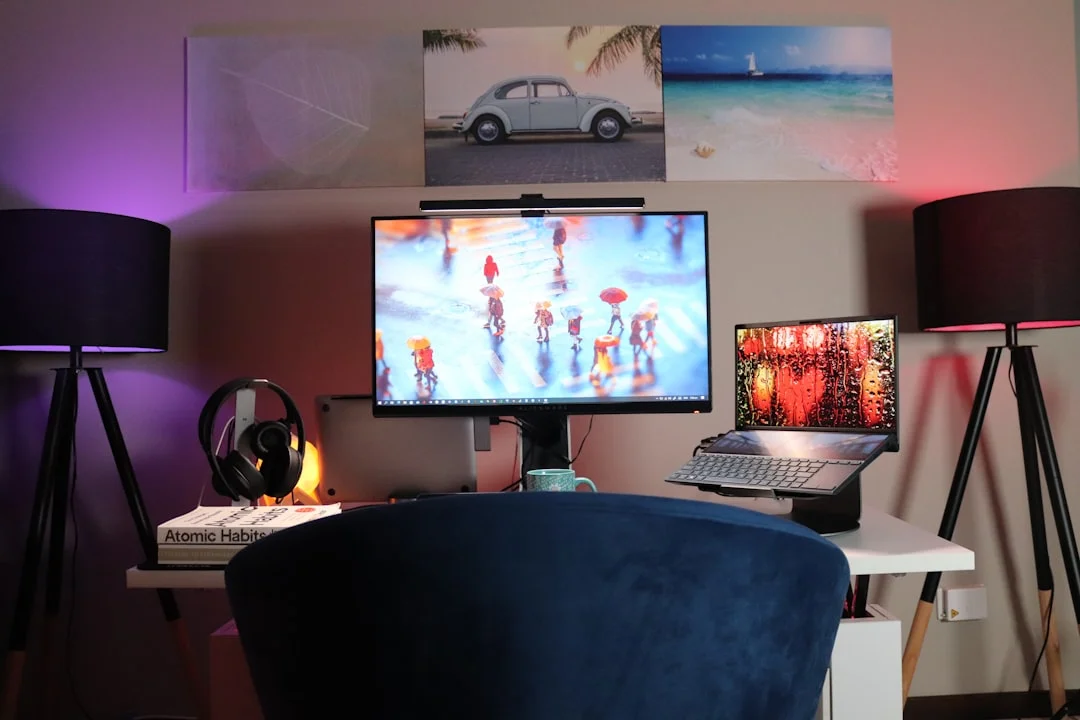
Modern environmental psychology provides a scientific lens that validates and explains many traditional Feng Shui principles. The impact of spatial layout on our mood, behavior, and cognitive function is now well-documented. A cluttered, poorly organized small space directly contributes to cognitive overload and stress. The brain must constantly process visual noise, reducing mental bandwidth for focus and relaxation. A Feng Shui-informed layout, which prioritizes clear pathways and designated places for belongings, reduces this cognitive burden, creating a sense of psychological order. This directly influences productivity; a dedicated, tidy workspace, even if just a corner desk, signals the brain to enter a state of focus. Furthermore, the concept of "prospect and refuge," a key theory in environmental psychology, mirrors the Feng Shui command position. Humans have an innate preference for locations where they can see (prospect) without being seen (refuge). Arranging a sofa or bed to have a broad view of the room and the entrance satisfies this deep-seated need for safety, reducing subconscious anxiety and making a small room feel like a secure haven. The emphasis on natural light and air flow aligns with biophilic design, proving that spaces with good light and ventilation improve mood, sleep quality, and overall well-being. Thus, the modern meaning is clear: an optimal layout is not superstitious arrangement but a deliberate design for mental and emotional health.
Insights
- Always position your primary seating and bed to face the room's entrance, as this placement fosters a subconscious sense of security and control over your environment.
- Incorporate multifunctional furniture with rounded edges and ample hidden storage to maintain clear pathways and prevent aggressive, cutting Qi from sharp corners.
- Use a single, cohesive color palette with strategic accents to visually expand the space and prevent elemental chaos from too many competing colors and textures.
- Place a mirror to reflect a pleasant outdoor view or an attractive interior element, effectively doubling the visual space and inviting nourishing Qi indoors.
- Regularly edit your possessions and commit to a clutter-free surfaces policy to ensure vital energy can circulate freely and avoid stagnation in corners.
Conclusion
The best layout for a small space is one that masters the art of intentional simplicity and energetic balance. By harmonizing the ancient principles of Qi flow, Yin-Yang, and the Five Elements with modern understandings of environmental psychology, we can transform limitations into virtues. A small space, when arranged with care, becomes a potent container for focused energy—a place where every item has purpose, every corner supports a specific life function, and the overall flow nurtures rather than depletes. It teaches us that true abundance in our living environment comes not from square footage, but from the quality and harmony of the space we consciously create.