The ancient Chinese philosophy of Yin and Yang describes the universe as being composed of complementary, interdependent opposites. This dynamic duality is not about conflict but about harmony through balance. In home design, Yin and Yang principles offer a timeless framework for creating spaces that feel both energetically supportive and aesthetically pleasing. By consciously balancing passive and active qualities, we can shape environments that nurture well-being, foster connection, and support the diverse rhythms of daily life.
Core Concept
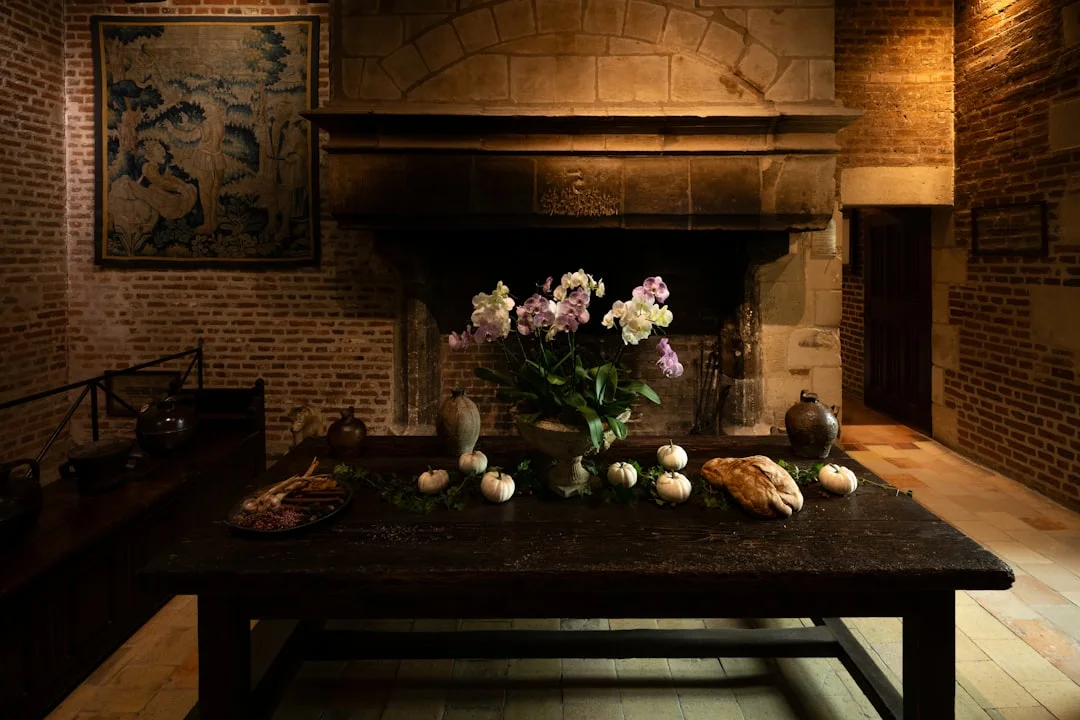
At its heart, Yin and Yang represent the fundamental duality of existence. Yin is associated with qualities such as receptivity, darkness, coolness, softness, stillness, and inward energy. It is the moon, the valley, and quiet contemplation. Yang embodies activity, light, warmth, hardness, movement, and outward expression. It is the sun, the mountain, and dynamic engagement. In home design, this concept translates into creating a balance between spaces and elements that are Yin in nature and those that are Yang. Every room and object carries a Yin or Yang charge that influences the flow of Qi, or life force energy, within a space. A room overloaded with Yang energy—perhaps with bright lighting, loud colors, hard surfaces, and constant noise—can feel overstimulating and exhausting, making relaxation difficult. Conversely, a space dominated by Yin energy—excessively dark, cool, and stagnant—can feel depressing, lethargic, and isolating, stifling motivation and social interaction. The goal is not a perfect 50/50 split in every instance, but a harmonious balance appropriate to the room's function. For example, a home office requires more Yang energy for focus and productivity, while a bedroom benefits from a stronger Yin influence to promote rest and recovery.
Traditional Feng Shui Perspective
From a classical Feng Shui standpoint, the application of Yin and Yang is deeply interwoven with the Five Elements theory and the meticulous management of Qi. A balanced space ensures that Qi circulates smoothly, nourishing the inhabitants rather than becoming stuck or rushing away too quickly. Yin-Yang balance is assessed through multiple lenses. The orientation and structure of a home itself have inherent qualities. South-facing rooms that receive abundant sunlight are considered Yang, while north-facing rooms are more Yin. The layout must balance these inherent traits; a long, dark hallway (Yin) leading to a bright, active living room (Yang) creates a natural and welcome transition. The symbolism of layout is crucial. A home where all social rooms are isolated from private quarters creates a stark, unbalanced separation. The ideal design allows for a flow where Yang spaces for gathering gradually transition into Yin spaces for retreat. The Five Elements—Wood, Fire, Earth, Metal, and Water—are direct expressions of the Yin-Yang spectrum. Each element possesses a Yin or Yang state. For instance, Yang Wood is represented by tall, columnar plants, while Yin Wood might be a spreading, low-growing fern. A fireplace (Yang Fire) brings tremendous active energy to a room and must be balanced with calming elements like a water feature (Yin Water) or soft textiles (Yin Earth). The materials, colors, and shapes in a room are all analyzed through this elemental filter. An overabundance of Metal (hard, cold, reflective) can create a sterile, overly Yang environment, which can be softened by introducing the nurturing, Yin qualities of Earth through clay pots, rounded forms, and warm, earthy tones.
Modern Interpretation
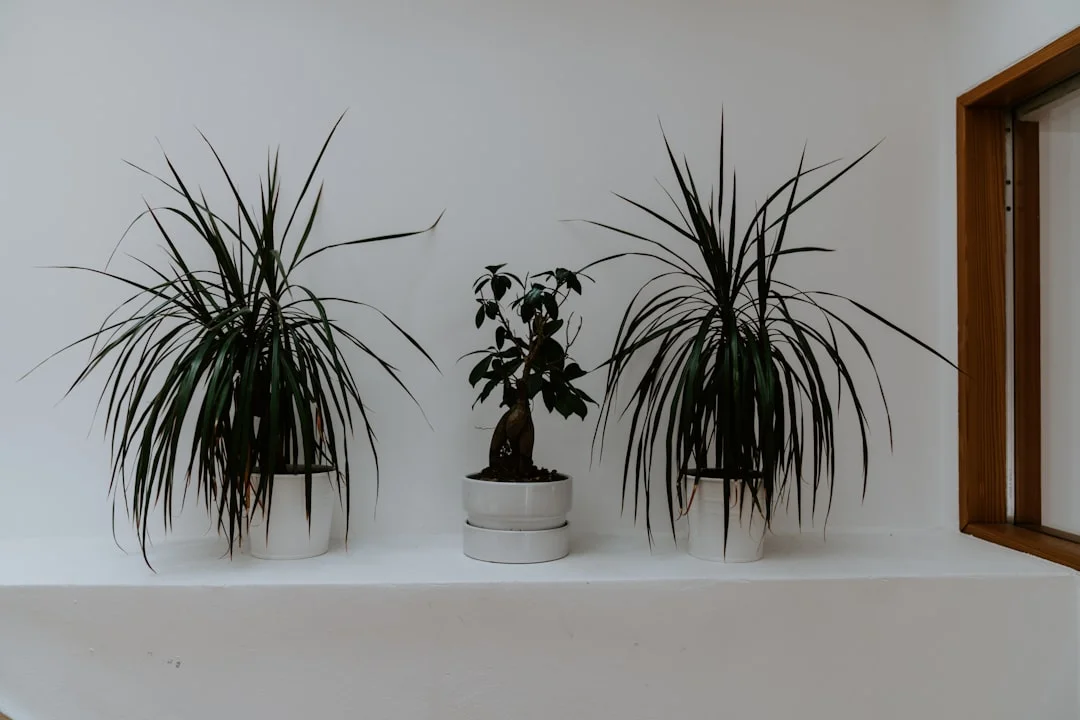
Modern environmental psychology and design principles echo these ancient concepts without using the traditional terminology. The impact of space on mood, behavior, and cognitive function is now a subject of scientific study, validating the intuitive wisdom of Yin-Yang balance. The influence on mood is direct. A cluttered, chaotic room (excessive visual Yang) is known to increase cortisol levels and stress. A bland, under-stimulating room (excessive Yin) can lead to feelings of boredom or sadness. Balanced design creates what psychologists call "restorative environments." Productivity is heavily influenced by this balance. Creative work often requires a blend: enough Yang energy to maintain focus and momentum, but enough Yin-inspired comfort and lack of distraction to allow for deep thought. An office with harsh overhead lighting (Yang) and no soft furnishings (Yin) can lead to mental fatigue. The practical meaning for contemporary lifestyles is about creating zones that support different activities. An open-plan living area presents a classic challenge: it is often a single, large Yang space for cooking, entertaining, and media. Introducing Yin zones within it—a softly lit reading nook, a defined dining area with a grounding rug, or acoustic panels to dampen sound—creates pockets of retreat without building walls. Similarly, a bedroom designed solely for sleep (Yin) may benefit from a small, well-lit Yang corner for a morning routine or journaling, preventing the space from becoming associated solely with inactivity. This approach moves beyond aesthetics to craft a home that actively supports the full spectrum of human experience, from vibrant social connection to deep personal restoration.
Insights
- Introduce soft, textured fabrics like wool throws or velvet cushions to a room with sleek furniture and hard floors to balance Yang hardness with Yin softness and comfort.
- Layer your lighting scheme by combining strong overhead fixtures for task-oriented activities with several lower-level lamps and dimmers to create a calming, Yin atmosphere in the evening.
- Balance the active, social energy of a television in your living room with a quiet corner featuring a comfortable chair and bookshelf to encourage slower, more reflective pastimes.
- Use area rugs and curtains to acoustically soften a room with high ceilings and hard surfaces, preventing sound from becoming chaotic and the space from feeling energetically cold.
- Incorporate living plants with rounded leaves to introduce gentle, growing Wood energy, which mediates between the stillness of Yin and the vitality of Yang in a natural way.
Conclusion
Yin and Yang in home design is a profound yet practical philosophy for creating harmonious living environments. It transcends mere decoration, offering a lens through which to understand the energetic relationship we have with our surroundings. By thoughtfully balancing light and dark, movement and stillness, sound and silence, and hard and soft, we design more than just houses—we craft holistic habitats. These balanced spaces can reduce stress, enhance well-being, and better support the complex tapestry of our daily lives, proving that this ancient wisdom holds enduring relevance for modern living.