The relationship between Feng Shui and architecture is a profound and ancient dialogue between human intention and the living environment. At its core, it is the art and science of designing and situating structures in harmony with the natural and energetic landscape. Architecture provides the physical form, while Feng Shui offers a philosophical and practical framework to ensure that form supports vitality, well-being, and purpose. This integration transforms a building from a mere shelter into a resonant space that actively nurtures its inhabitants, guiding the flow of life force, or Qi, to foster health, prosperity, and peace. From the grand imperial palaces of ancient China to contemporary homes and offices, this symbiotic relationship demonstrates how spatial design can be a conscious act of aligning human life with cosmic patterns.
Core Concept
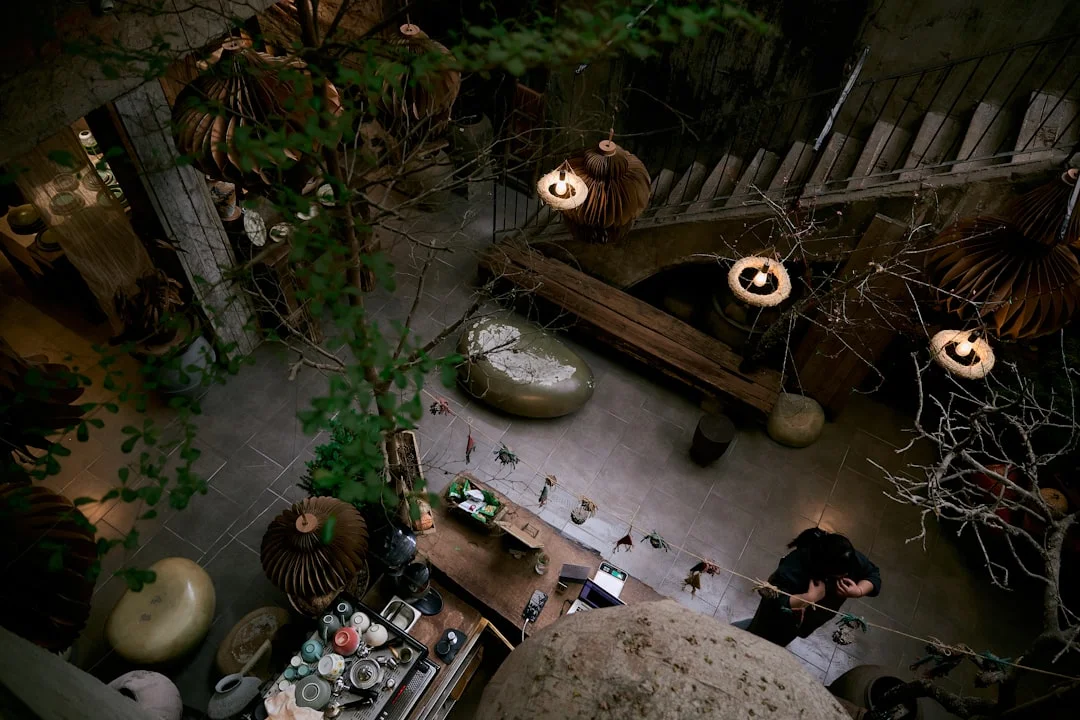
Feng Shui, translating to "Wind and Water," is fundamentally about managing the invisible life force known as Qi within a given space. In architectural terms, it represents a set of principles for organizing and designing buildings to harness beneficial Qi and mitigate harmful or stagnant energy. This involves careful consideration of a site's topography, the building's orientation, the layout of interior rooms, and the placement of doors and windows. A building designed with Feng Shui in mind is more than structurally sound; it is energetically coherent. The front door, known as the "Mouth of Qi," represents how energy enters the home. A clear, welcoming entrance invites positive opportunities. The layout of rooms influences how energy circulates; long, straight hallways can cause Qi to rush too quickly, while cluttered, blocked pathways can cause it to stagnate. Real-life examples include traditional Chinese courtyard houses, where the layout creates a protective embrace, gathering Qi in the central open space. In a modern context, an office designed with open yet defined work areas, natural light, and clear circulation paths follows the same principle of facilitating smooth, nourishing energy flow to support focus and collaboration.
Traditional Feng Shui Perspective
From a classical standpoint, Feng Shui is an applied philosophy deeply interwoven with cosmological concepts. It views architecture as a microcosm that should reflect and align with the macrocosm of heaven and earth. The principle of Yin-Yang balance is crucial in spatial design. Architecture must balance solid, static, and enclosing elements (Yin) with open, dynamic, and expansive features (Yang). A room with no windows is overly Yin, leading to dormancy and depression, while a space with excessive glass and no solid walls is overly Yang, causing agitation and lack of grounding. A harmonious room blends both, such as a living area with sturdy furniture (Yin) and ample, soft natural light (Yang). The Five Elements theory—Wood, Fire, Earth, Metal, and Water—provides a symbolic language for materials, shapes, and colors. A balanced architectural design incorporates these elements to create a supportive cycle. For instance, a building's structural columns (Wood element) support a roof (Fire element, via its triangular shape), which in turn creates ash, symbolically feeding the Earth element represented by plaster or clay walls. The careful placement of a water feature (Water element) near the entrance can symbolically nourish the Wood element of growth and new beginnings. Qi flow and spatial harmony are analyzed through sophisticated systems like the Bagua map and Form School principles. The Bagua is an eight-sector template laid over a floor plan, correlating areas of life (career, relationships, knowledge) with specific directions and elements. Architecture can then intentionally strengthen these areas through design. Form School focuses on the external environment, where ideal architecture is situated with protective "armchair" topography behind it, open space in front, and embraced by gentle flanking features, allowing Qi to gather and settle beneficially.
Modern Interpretation
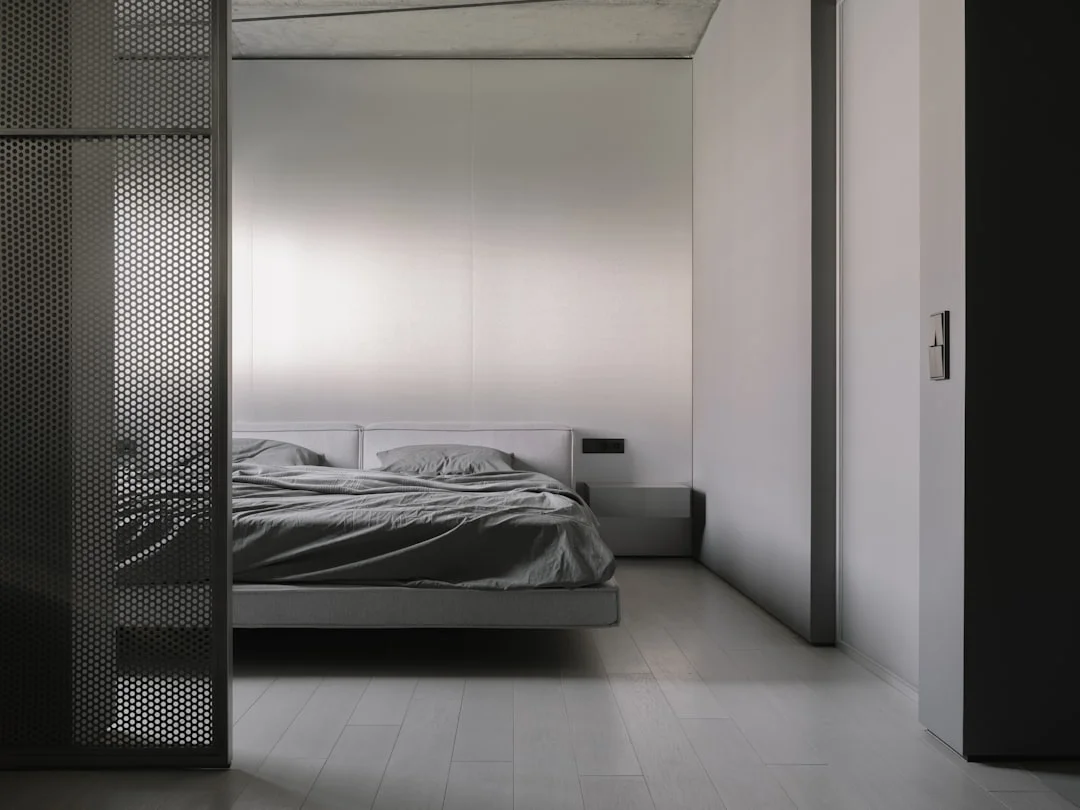
Today, the principles of Feng Shui are often validated and understood through the lens of environmental psychology, neuroscience, and sustainable design. The modern interpretation focuses less on mystical symbolism and more on the tangible impact of spatial design on human psychology, physiology, and social interaction. Environmental psychology directly correlates with Qi flow. A cluttered, dimly lit room with poor air quality creates what Feng Shui calls "stagnant Qi," and psychology identifies as a stress-inducing environment that can lead to anxiety and lethargy. Conversely, a space with good ventilation, natural light, and a logical, uncluttered layout promotes "smooth Qi," which psychology recognizes as reducing stress and enhancing cognitive function. The impact on mood and behavior is evident. Feng Shui advises against placing a bed in direct line with a door, a position known as the "coffin position." Modern interpretation understands this as creating subconscious vulnerability, disrupting restful sleep due to primal safety concerns. The recommendation for a "commanding position" for key furniture—allowing a view of the door without being directly in line with it—fosters a sense of security and control, reducing latent stress. In terms of productivity and lifestyle, Feng Shui-informed architecture promotes intentional design. Separating work and rest areas, even in a small home, mirrors the Feng Shui principle of defining functional zones to prevent energy conflicts. Using biophilic design—incorporating plants, natural materials, and views of nature—is a direct application of the Wood element and the need to connect with living Qi, proven to boost creativity, lower heart rates, and improve overall well-being. Thus, the practical real-life meaning is about creating built environments that are not just aesthetically pleasing but are fundamentally supportive of human health, happiness, and potential.
Insights
- Positioning your primary workspace to face the entrance of the room, rather than having your back to it, can subconsciously increase your sense of security and control, thereby reducing anxiety and improving focus.
- Introducing a variety of textures and materials, such as wood, stone, metal, and fabric, within a room engages the Five Elements theory to create a more balanced and sensorially rich environment that feels complete.
- Ensuring that the pathway from your front door into the main living area is clear and unobstructed facilitates the smooth entry of energy, which psychologically translates to welcoming new opportunities and reducing daily friction.
- Balancing artificial lighting with layers of soft, warm light sources avoids the harshness of overhead lights alone, creating a more inviting atmosphere that supports both relaxation and social interaction.
- Regularly decluttering and organizing storage spaces addresses the foundational Feng Shui principle of flow, which modern psychology confirms reduces cognitive overload and creates mental space for clarity and new ideas.
Conclusion
The relationship between Feng Shui and architecture is ultimately one of holistic integration. It moves beyond treating buildings as inert containers for life and instead sees them as active participants in it. While traditional Feng Shui offers a rich, symbolic system for aligning with cosmic patterns, its modern interpretation reveals universal truths about human needs in the built environment. Whether through the ancient concepts of Qi and Yin-Yang or the contemporary understanding of environmental psychology, the goal remains consistent: to design spaces that nourish, protect, and inspire their inhabitants. In embracing this relationship, architecture transcends mere function and aesthetics to become a deliberate craft of cultivating well-being, proving that the spaces we inhabit profoundly shape the lives we lead within them.