The kitchen is often considered the heart of the home, a place where nourishment is prepared and family gathers. Within this vital space, the stove holds a position of particular importance. In the art of environmental harmony, the stove is more than an appliance; it is a symbol of prosperity, health, and transformative energy. Its placement is believed to directly influence the flow of vital energy, impacting the well-being and fortune of the household. Determining its optimal position involves a nuanced understanding of energy dynamics, elemental balance, and practical spatial design.
Core Concept
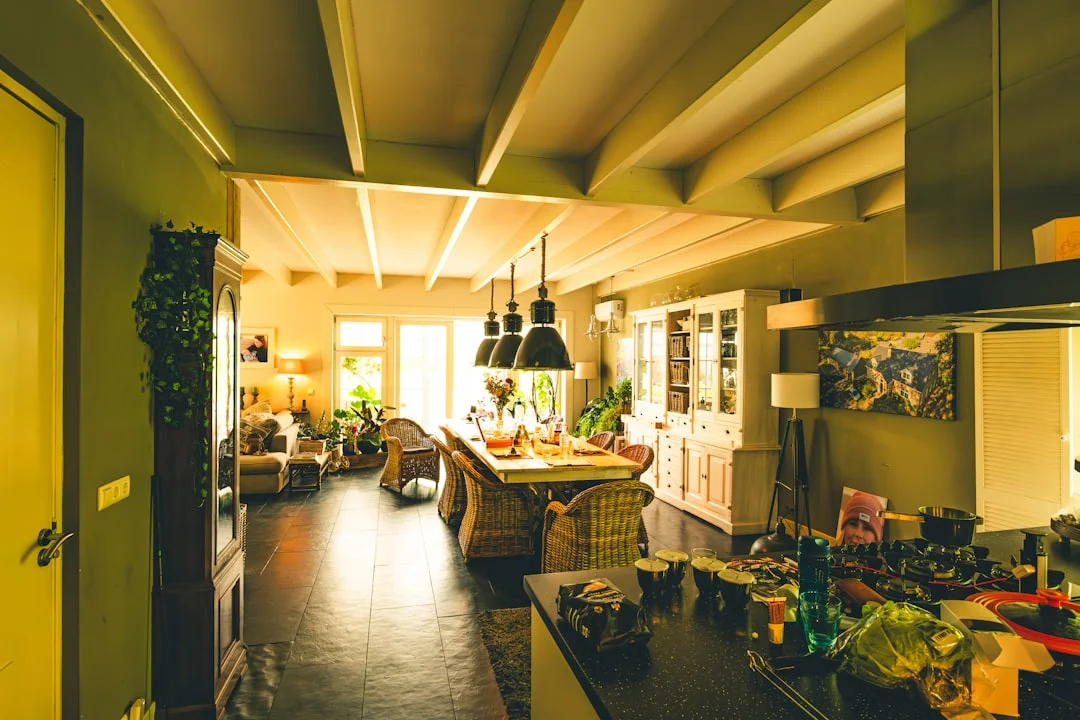
In environmental harmony systems, the stove represents the element of Fire. Fire is the agent of transformation, turning raw ingredients into sustaining meals. This makes the stove a powerful symbol of wealth, health, and vitality. The energy, or Qi, generated here is potent and active, influencing the overall energy pattern of the home. The primary concept governing the stove's placement is the principle of "commanding position." This means the cook should have a clear, unobstructed view of the kitchen entrance while not being directly in line with it. This positioning allows the person at the stove to feel secure and in control, as they are not startled by others entering. It fosters a sense of stability and authority over the household's nourishment. When the cook is anxious or feels vulnerable, this energy can subtly transfer to the food and the home's atmosphere. A real-life example is a stove tucked into a corner where the cook faces a wall, which can create a feeling of isolation and restriction, contrasting sharply with an open layout where the cook can engage with family while preparing food.
Traditional Feng Shui Perspective
From a classical standpoint, the stove's placement is a delicate dance of Yin and Yang and the Five Elements. The stove itself is intensely Yang—hot, active, and transformative. It must therefore be balanced with Yin elements, such as the cool, receptive energy of water. This leads to a fundamental rule: the stove and the sink (or refrigerator, representing Water) should not be placed directly opposite or adjacent to each other. The direct clash of Fire and Water elements is believed to create conflict, potentially leading to arguments or financial dissipation. The ideal direction for the stove is often debated, but a widely accepted principle is to align it with the cook's personal auspicious directions, often derived from their birth data. More generally, facing east (associated with the Wood element, which feeds Fire) or southeast is considered favorable, as this direction supports and nourishes the stove's fire. Conversely, facing west (where the setting sun represents declining fire) or north (the Water direction) may weaken its beneficial energy. The symbolism of the layout is crucial; the stove should be on a solid, stable wall, not under a window or in an island where its "back" is exposed. An exposed back symbolizes a lack of support for one's wealth and health. Furthermore, overhead beams directly above the stove are avoided, as they are seen as cutting or pressuring the vital fire energy below.
Modern Interpretation
Modern environmental psychology provides a compelling, science-backed lens through which to view these ancient principles. The "commanding position" rule aligns perfectly with concepts of prospect and refuge. Humans feel most at ease in spaces where they have a broad view of their environment (prospect) while feeling protected from behind (refuge). A cook who can see the door feels safe and less prone to stress, which undoubtedly improves the cooking experience and mood. The separation of stove and sink is not merely symbolic; it is a profound practice in functional kitchen design. It creates an efficient work triangle, reducing unnecessary movement and potential collisions between hot pans and wet areas, thereby enhancing safety and workflow. This logical zoning minimizes stress and increases productivity. The warning against placing a stove under a window addresses practical concerns: drafts can affect flame consistency, and curtains pose a fire hazard. The advice against overhead beams touches on subconscious psychological pressure; even if one is not aware of Feng Shui, a low ceiling or heavy beam over a workspace can create a subtle, oppressive feeling. Thus, these traditional guidelines often translate directly into creating a kitchen that is ergonomic, safe, and psychologically comforting.
Insights
- Position your stove so you can easily see the kitchen entrance without being directly in front of it, fostering a sense of security and control while you cook.
- Avoid placing the stove and sink directly opposite each other to prevent the symbolic and practical clash of fire and water elements in your kitchen's layout.
- Ensure the stove is backed by a solid wall rather than a window to provide symbolic support for your household's prosperity and practical safety from drafts.
- Incorporate the nurturing Wood element, such as with green decor or healthy plants, near the stove to gently feed its fire energy and promote growth.
- Maintain impeccable cleanliness around and behind your stove to allow for the clear and unobstructed flow of energy and hygiene in your kitchen.
Conclusion
The quest for the best stove position is ultimately about creating a kitchen that supports both practical function and holistic well-being. By synthesizing traditional principles of elemental balance and Qi flow with modern understandings of environmental psychology and ergonomic design, we can craft a space that is more than just efficient. A well-positioned stove, in command of its space and in harmony with its surroundings, becomes a true heart of the home. It supports the cook's comfort and confidence, which in turn nurtures the health and harmony of everyone who shares in the meals prepared there. The goal is not superstitious placement but intentional design that fosters nourishment, stability, and positive energy in daily life.