Urban living presents unique challenges to our sense of peace and well-being, characterized by compact spaces, noise, and a disconnect from nature. Feng Shui, the ancient Chinese art of placement, offers timeless principles for harmonizing individuals with their surrounding environment. By adapting these concepts to modern apartments and city dwellings, we can cultivate spaces that support health, clarity, and vitality amidst the urban bustle. This article explores practical Feng Shui strategies tailored for contemporary city life.
Core Concept
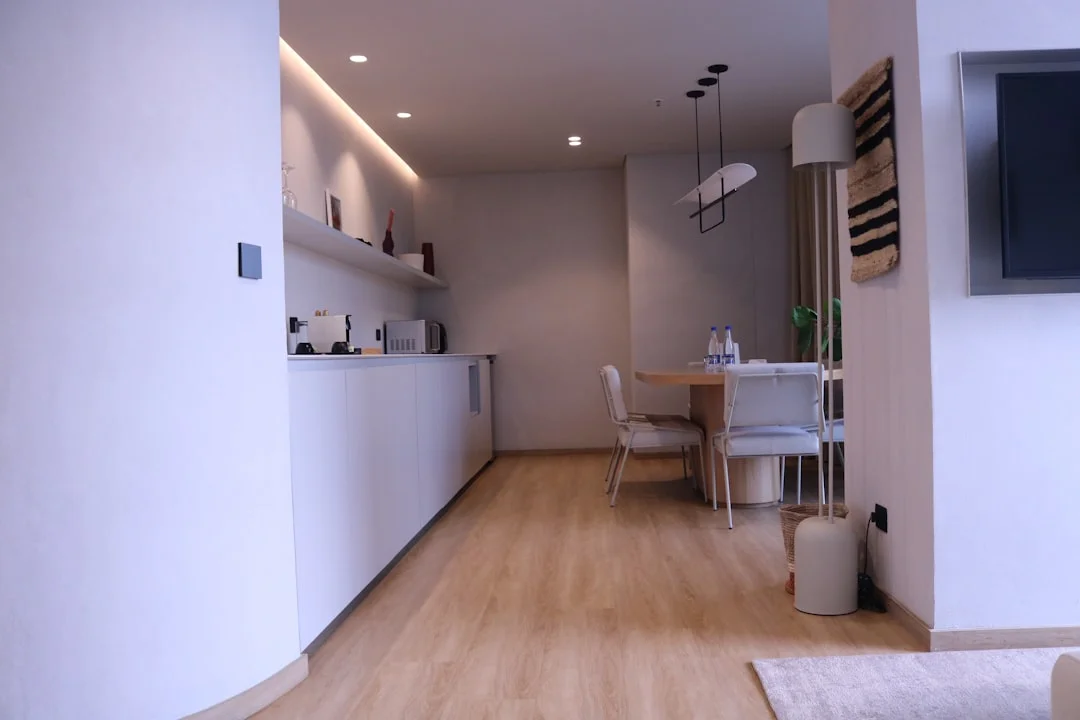
At its heart, Feng Shui for urban living is about the intentional management of Qi, or vital life force energy, within constrained and often chaotic environments. In a city, Qi can become stagnant in cluttered apartments or overly aggressive as it rushes down long hallways and between tall buildings. The core objective is to create a protective, nurturing sanctuary that counters external stressors. This involves carefully considering what you invite into your space and how you arrange it to facilitate smooth, nourishing energy flow. For example, a dark, cluttered entryway in a studio apartment can block new opportunities, while a bed positioned in direct line with the door can disrupt restful sleep. The urban home must act as a recharge station, deliberately designed to counteract the fast-paced, draining energy of the city outside.
Traditional Feng Shui Perspective
Classical Feng Shui principles provide a robust framework for analyzing and improving urban spaces, focusing on balance, elemental interaction, and directional energy. The primary goal is to achieve a dynamic Yin-Yang balance. Urban environments are overwhelmingly Yang—loud, bright, fast-moving, and hard-surfaced. A city home must therefore incorporate sufficient Yin qualities to provide restorative contrast. This means creating zones of softness, quiet, darkness for sleep, and curved, flowing layouts to soften the rigid lines of modern architecture. A room with only hard floors, metal furniture, and bright overhead lighting is excessively Yang, leading to agitation. The Five Elements theory (Wood, Fire, Earth, Metal, Water) is crucial for creating a self-supporting, harmonious environment. Each element represents specific qualities, colors, and shapes. A balanced space contains a representation of all five, arranged in their productive cycle. In a metal-dominated city apartment with white walls and stainless steel appliances, introducing the Wood element (plants, vertical lines) can help control Metal's excessive cutting energy, while adding Earth elements (ceramics, sandy colors) can nurture a sense of stability. The destructive cycle must be avoided; for instance, too much Fire element (red, triangular shapes) in the bathroom can symbolically "boil" the Water element of that space. Qi flow and spatial harmony are assessed through the layout. The concept of the "commanding position" is vital in small spaces. This refers to placing key furniture, like your bed or desk, diagonally opposite and facing the door without being directly in line with it. This position provides a sense of security and command over your space, allowing Qi to enter gently. Long, narrow hallways, common in apartments, accelerate Qi into a harmful "secret arrow." This can be remedied by placing a rug, artwork, or a gentle light to slow the energy down. Finally, the Bagua map, an energy template laid over your floor plan, helps identify which areas of your home correspond to specific life aspects (career, relationships, health), allowing for targeted enhancements.
Modern Interpretation
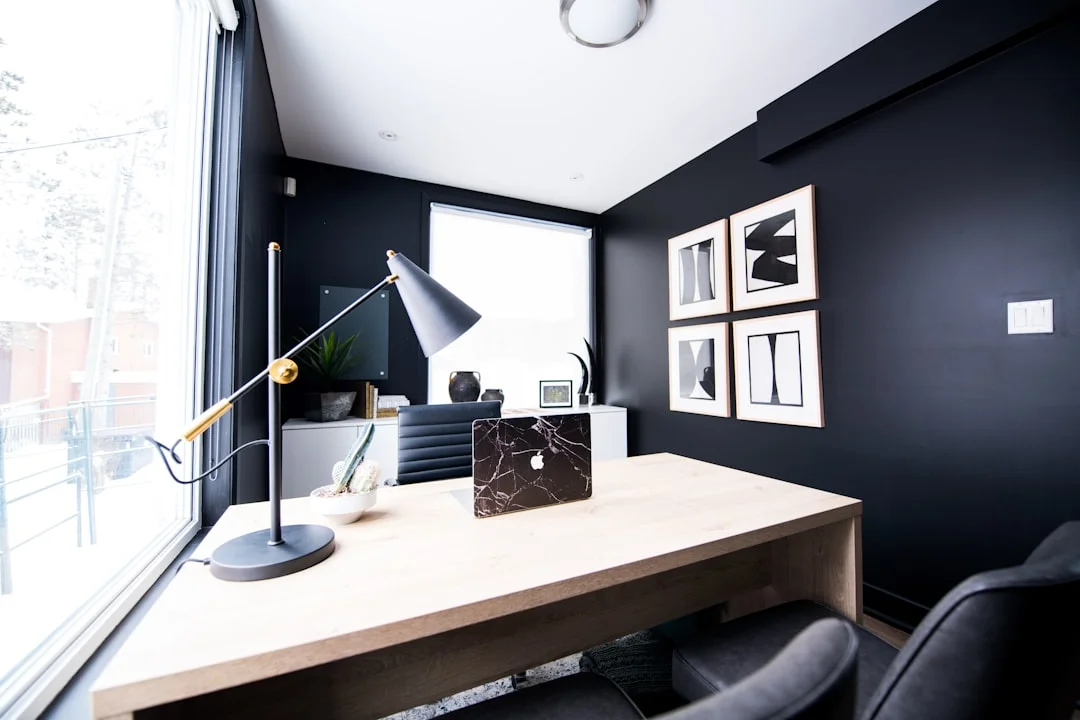
Modern environmental psychology and design thinking validate many Feng Shui principles, reframing them as the impact of spatial design on human cognition, emotion, and behavior. From a psychological standpoint, the commanding position aligns with our innate need for safety and prospect. Being able to see the entrance to a room without being directly exposed reduces subconscious anxiety, freeing mental resources for focus or relaxation. Clutter clearance, a fundamental Feng Shui practice, is now understood to reduce cognitive overload. Visual chaos competes for our brain's attention, increasing stress hormones and reducing our ability to concentrate. A tidy, organized space promotes mental clarity. The emphasis on natural elements directly addresses the phenomenon of "biophilia"—the human tendency to seek connections with nature. Introducing plants (Wood) improves air quality and reduces stress. A small indoor fountain (Water) provides soothing white noise that masks urban sounds, while its movement introduces sensory interest. The use of natural materials like wood and stone over plastic and synthetic composites creates a tactile, grounding experience that counteracts the artificiality of the urban landscape. Furthermore, the intentional use of light and color prescribed by elemental theory has direct psychological effects. Warm, earthy tones in a bedroom (Earth element) promote feelings of security and warmth, conducive to sleep. Energizing colors in a home office (like greens or blues, depending on the desired effect) can influence mood and productivity. Feng Shui thus becomes a holistic system for environmental self-care, using spatial arrangement to directly support modern lifestyle goals like reducing anxiety, improving sleep quality, and enhancing personal efficiency.
Insights
- Position your primary furniture to face the room's entrance to cultivate a subconscious sense of security and control within your personal urban sanctuary. This simple act of spatial awareness can significantly lower background stress levels.
- Incorporate at least one living plant and a source of gentle, moving light in your main living area to symbolically and literally reconnect with nature's calming rhythms. These elements directly counter the static and artificial environment of the city.
- Dedicate five minutes each day to clearing physical clutter from surfaces like counters and desks, as this visible order creates mental space and reduces cognitive fatigue. This micro-habit prevents energy stagnation in small apartments.
- Use soft textiles like rugs, curtains, and cushions to absorb harsh sounds and add tactile warmth, thereby balancing the excessive Yang energy from hard urban surfaces. This creates a necessary auditory and sensory buffer from the outside world.
- Ensure your bed is placed on a solid wall with a supportive headboard and is not directly in line with the bedroom door to promote truly restorative sleep. This arrangement supports the nervous system's need for safety during vulnerable rest periods.
Conclusion
Feng Shui for urban living is not about superstition or rigid rules, but about applying ancient wisdom of environmental harmony to modern constraints. By understanding the flow of Qi as the flow of experience and attention, we can transform even a small city apartment into a grounded, balanced haven. The integration of Yin-Yang balance, the Five Elements, and intelligent furniture placement works in concert with principles of modern psychology and design. The ultimate goal is to create a personal environment that actively supports your well-being, helping you to thrive with resilience and calm amidst the dynamic energy of city life.