The living room serves as the heart of a home, a space for gathering, relaxation, and connection. When this central area feels cramped or confined, it can create a sense of restriction that impacts the entire household's energy and mood. Feng Shui, the ancient art of environmental harmony, offers profound wisdom for manipulating the perception of space. It moves beyond mere physical decluttering to address the flow of energy, or Qi, and the psychological interplay of elements. By applying specific Feng Shui principles, you can transform a compact living room into an environment that feels expansive, open, and inviting, thereby enhancing both comfort and social vitality.
Core Concept
At its core, the feeling of spaciousness in Feng Shui is not solely about square footage but about the unimpeded circulation of Qi. Stagnant or blocked energy makes a room feel heavy and small, while smooth, meandering Qi creates a sense of ease and openness. This concept is deeply tied to the principle of "Ming Tang" or the bright hall, which refers to an open, clear area in front of a home or within a key room that allows beneficial energy to gather and nourish the space. In a living room, the Ming Tang is the central, unobstructed zone. When this area is cluttered or cut off by furniture, the room's energetic "breathing space" is compromised, making it feel physically smaller. Real-life examples include a room where one must navigate around awkward furniture placements versus a room where movement is fluid and the eye can travel freely to the walls and beyond.
Traditional Feng Shui Perspective
From a classical viewpoint, expanding the feeling of space is a delicate dance of Yin and Yang and the strategic application of the Five Elements. The goal is to achieve a dynamic balance where neither force dominates but complements the other to create harmonious flow. Yin-Yang Balance in Space: A room that feels too small is often overly Yin—dark, crowded, and static. To counter this, we introduce Yang qualities: light, airiness, and movement. This doesn't mean eliminating all Yin, which provides comfort and grounding, but ensuring Yang energy can activate the space. Positioning seating to face the door or a window (a Yang, active orientation) rather than a solid wall (a Yin, passive orientation) psychologically opens up the room. Five Elements Interactions: The Five Elements cycle is a powerful tool. To make a room feel larger, we emphasize the expansive, upward energy of the Wood element and the free-flowing nature of the Water element. This can be done through vertical lines (Wood), such as tall bookshelves or striped patterns that draw the eye upward, and through reflective surfaces (Water), like mirrors, which symbolically double the space. Crucially, we minimize the congestive, heavy energy of an unbalanced Earth element (too many square, low, or bulky items) and avoid the chaotic, scattering energy of excessive Fire (overly bright, fragmented lighting or too many red accents). Qi Flow and Spatial Harmony: Furniture placement is paramount for Qi flow. The "command position" for key seating—typically facing the entrance without being directly in line with the door—ensures occupants feel secure and in command of the space, which reduces subconscious tension and makes the room feel more accommodating. Creating clear pathways, or "Qi channels," around furniture allows energy to circulate. A rug that unifies a seating area can act as an anchor, defining function without creating visual barriers that chop the room into smaller, disconnected sections. Symbolism of Layout and Structure: Mirrors hold significant symbolic power. Placed strategically, they are said to "double" prosperity and space. However, tradition cautions against placing mirrors directly opposite the main door, which can symbolically reflect good Qi back out, or reflecting cluttered areas, which multiplies the chaotic energy. The symbolism of light is equally important; a well-lit room, especially with natural light, is considered full of Sheng Qi (vital, alive energy), which inherently feels more expansive than a dim room filled with Si Qi (stagnant energy).
Modern Interpretation
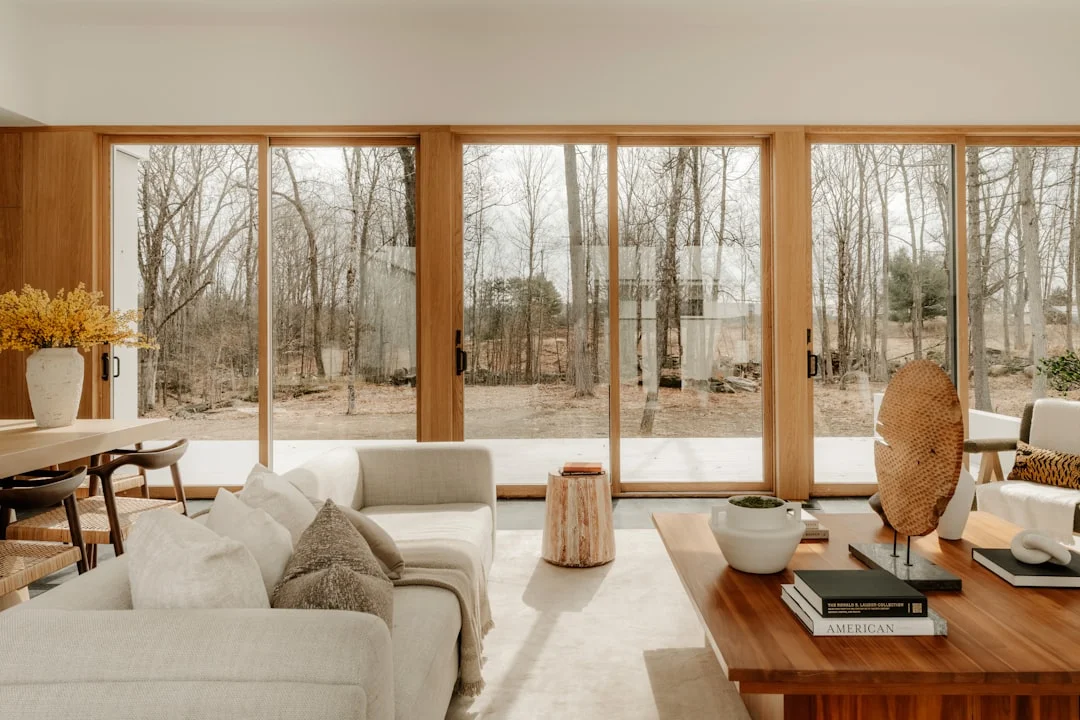
Modern environmental psychology provides a compelling parallel to these ancient principles, explaining why these techniques work on our subconscious. Our perception of space is deeply influenced by sensory input and cognitive processing. Environmental Psychology: Clutter induces cognitive overload, forcing our brains to process excessive stimuli, which leads to stress and a feeling of confinement. Feng Shui's emphasis on clear spaces and defined pathways reduces this mental clutter, promoting calm and a sense of order that translates to perceived spaciousness. The use of mirrors and light taps into basic visual processing, tricking the brain into perceiving greater depth and volume. Impact on Mood and Behavior: A living room that feels open and flowing directly impacts social dynamics. It encourages conversation, relaxation, and welcoming guests. Conversely, a cramped room can foster irritability, a desire to retreat, and social tension. The command position aligns with modern concepts of prospect and refuge, where humans feel most comfortable in spaces where they can see the approach of others (prospect) while feeling protected (refuge). Practical Real-Life Meaning: In contemporary open-plan living, Feng Shui helps define zones without building walls. A strategically placed screen (aligned with Wood element growth) or a change in lighting can differentiate a living area from a dining space, creating functional "rooms" within a room while maintaining an overall sense of flow. This approach is more harmonious than simply filling an open floor plan with furniture, which can create a feeling of undefined, chaotic expanse rather than intentional, spacious harmony.
Insights
- Position a large mirror on a wall perpendicular to a window to capture and reflect natural light deep into the room, thereby amplifying the Yang energy of sunlight and visually creating a second light source.
- Choose furniture with exposed legs and elevated profiles to allow Qi and light to flow underneath, which prevents the heavy, stagnant feeling created by solid, blocky pieces that sit directly on the floor.
- Incorporate a single, cohesive area rug that is large enough to anchor all primary seating furniture, as this unified foundation prevents the space from feeling visually fragmented and energetically scattered.
- Utilize vertical storage solutions and artwork with upward-leading lines to consciously draw the eye toward the ceiling, engaging the Wood element's expansive energy to elevate the room's perceived height.
- Maintain a deliberate and clear pathway from the living room entrance to the opposite wall or a key window, as this unimpeded visual line subconsciously signals an open and inviting flow of movement and energy.
Conclusion
Making a living room feel bigger through Feng Shui is an integrative practice that blends visual manipulation with energetic philosophy. It transcends simple organization by addressing the fundamental balance of Yin and Yang, the strategic use of the Five Elements, and the paramount importance of smooth Qi circulation. The modern understanding of these principles confirms their value, linking them directly to environmental psychology and human well-being. By intentionally curating light, reflection, furniture placement, and elemental balance, you cultivate not just an illusion of space, but a genuinely harmonious environment. The result is a living room that feels expansive, peaceful, and truly alive—a bright hall that nourishes all who enter.