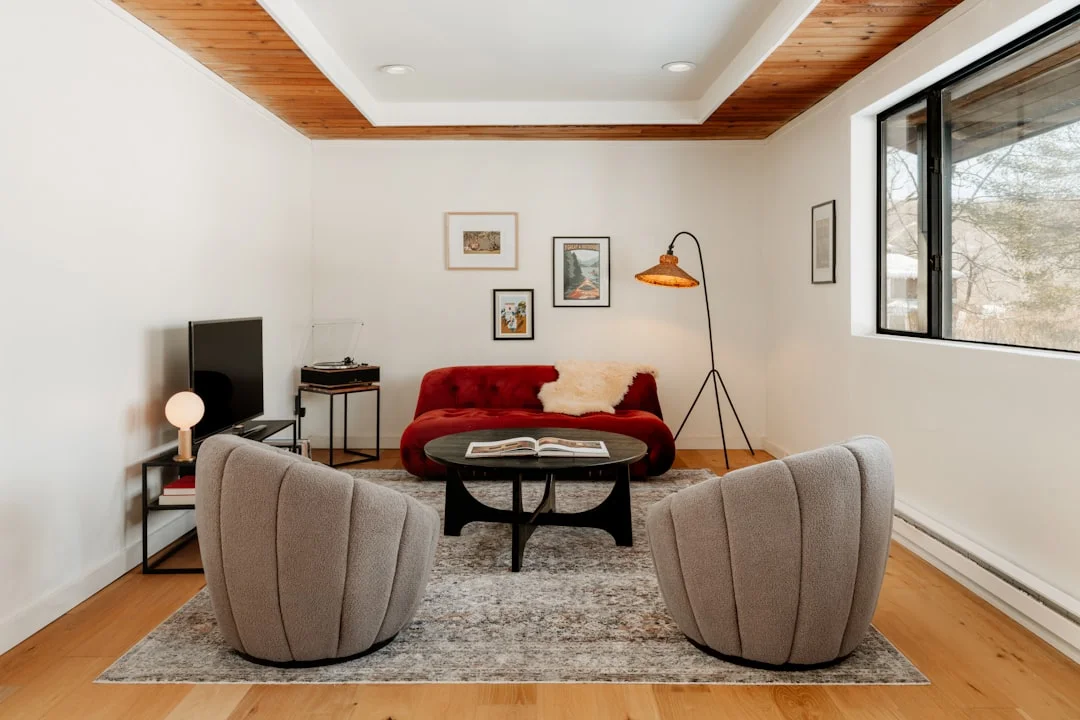
The living room serves as the heart of the home, a central gathering space for family, relaxation, and social connection. In the art of Feng Shui, this room is considered a primary reservoir for the home's energy, or Qi, directly influencing the well-being, harmony, and fortune of its inhabitants. Integrating Feng Shui symbols into this space is not about mere decoration; it is a deliberate practice of environmental curation aimed at cultivating specific energies. These symbols, rooted in ancient philosophy and natural observation, work by shaping the flow of Qi, balancing elemental forces, and embedding positive intentions into the domestic landscape. This article explores potent symbols that resonate within living rooms, bridging timeless wisdom with contemporary living.
Core Concept
At its essence, a Feng Shui symbol is an object, image, or arrangement that carries a specific energetic resonance and intention. In the living room, these symbols function as tools to attract, stabilize, or enhance the flow of life-force energy. They work by engaging principles of symbolism, elemental representation, and psychological suggestion. For instance, a symbol of mountain stability placed in a specific area can subconsciously promote feelings of support and security for the family. The influence is twofold: it directly affects the subtle energy patterns within the space according to classical theory, and it indirectly impacts the mood, mindset, and interactions of the people within it through environmental psychology. A living room adorned with harmonious symbols like a healthy plant or a serene water feature becomes an environment that actively supports vitality and calm, rather than a passive backdrop.
Traditional Feng Shui Perspective
From a classical standpoint, the selection and placement of symbols are governed by a sophisticated framework aimed at achieving optimal Qi flow and elemental harmony. Yin-Yang Balance in Space: The living room should maintain a dynamic balance between active (Yang) and passive (Yin) energies. Symbols contribute to this equilibrium. A brightly lit, angular piece of art or a red accent (Yang) can energize a dim, overly soft room (Yin). Conversely, a smooth, rounded river stone or a soft, blue textile (Yin) can calm a space with too much sharp furniture and bright lighting (Yang). The goal is to avoid extremes, creating a room that is both invigorating for social gatherings and soothing for quiet repose. Five Elements Interactions: Every symbol corresponds to one of the Five Elements—Wood, Fire, Earth, Metal, Water. Their strategic use creates a nurturing cycle of energy. A living room with strong Wood element energy from plants or vertical lines can be balanced by introducing Metal element symbols like brass bowls or white, round frames, as Metal gently controls Wood in the productive cycle. A symbol like a crystal (Earth) placed near a fireplace (Fire) feeds the Fire, enhancing warmth and social recognition. The intentional combination of elements prevents any one energy from becoming dominant and stagnant. Qi Flow and Spatial Harmony: Symbols must be placed to facilitate, not obstruct, the smooth movement of Qi. A large, beautiful symbol placed directly in line with the main door can block incoming energy. Instead, symbols are often positioned in specific "areas" or "gua" of the room mapped by the Bagua, an eight-sided energy map. A symbol of partnership, like a pair of mandarin ducks or two matching candles, is potent in the far-right corner (from the entrance), which correlates with relationships. The symbolism of the object aligns with the intrinsic energy of that sector, amplifying its positive qualities. Symbolism of Layout and Structure: The arrangement of symbols themselves tells a story. A painting of a majestic, benevolent mountain behind the main seating area provides symbolic "backing" and support. Images or sculptures of water should depict calm, flowing scenes, never turbulent or stagnant, to encourage wealth Qi that is steady and accumulating. Symbols should always be in good repair and represent positive, aspirational themes—thriving plants, joyful imagery, and intact objects—to reflect and attract a state of wholeness.
Modern Interpretation
Contemporary application shifts the focus from rigid dogma to personalized environmental psychology, making ancient symbols relevant to modern life. Environmental Psychology: Modern interpretation views Feng Shui symbols as visual and tactile cues that directly affect cognitive and emotional states. A living room featuring natural wood elements and living plants (Wood symbol) is psychologically proven to reduce stress and enhance creativity. A symbol representing water, like a small tabletop fountain, provides soothing auditory feedback (the sound of trickling water) that can lower heart rate and mask distracting noise, promoting mental clarity. Impact on Mood and Behavior: The symbols we surround ourselves with act as constant, subtle reminders of our values and intentions. A piece of art depicting a vibrant, blooming peony (a symbol of prosperity and honor) can subliminally boost confidence and a sense of abundance. A cluster of family photos in beautiful frames (a symbol of Earth element and connection) reinforces social bonds and personal identity. These cues shape the "personality" of the room, influencing whether family members feel inclined to gather and communicate or retreat into isolation. Practical Real-Life Meaning: For the modern individual, these symbols translate into tangible lifestyle benefits. A clean, open space with minimal clutter and a few meaningful symbols (like a healthy Money Plant) can make the home feel more manageable and less mentally draining. Using a round, metal bowl (Metal element) to hold remote controls not only contains clutter but introduces a shape and material that promotes precision and clarity. The practice becomes about creating a living room that is intentionally designed to support desired outcomes—be it better relaxation, more harmonious family time, or a welcoming atmosphere for guests—through conscious design choices.
Insights
- Placing a pair of objects, such as two identical lamps or sculptures, in the relationship corner of your living room can symbolically reinforce partnership and attract harmonious connections into your life.
- Incorporating the Water element through a small, clean fountain or an image of a calm lake can enhance the flow of prosperity energy while providing a scientifically-backed soothing auditory backdrop.
- Always choose art and decor depicting thriving, upward-moving subjects, like tall bamboo or soaring birds, to encourage positive growth and avoid symbols of stagnation or decay.
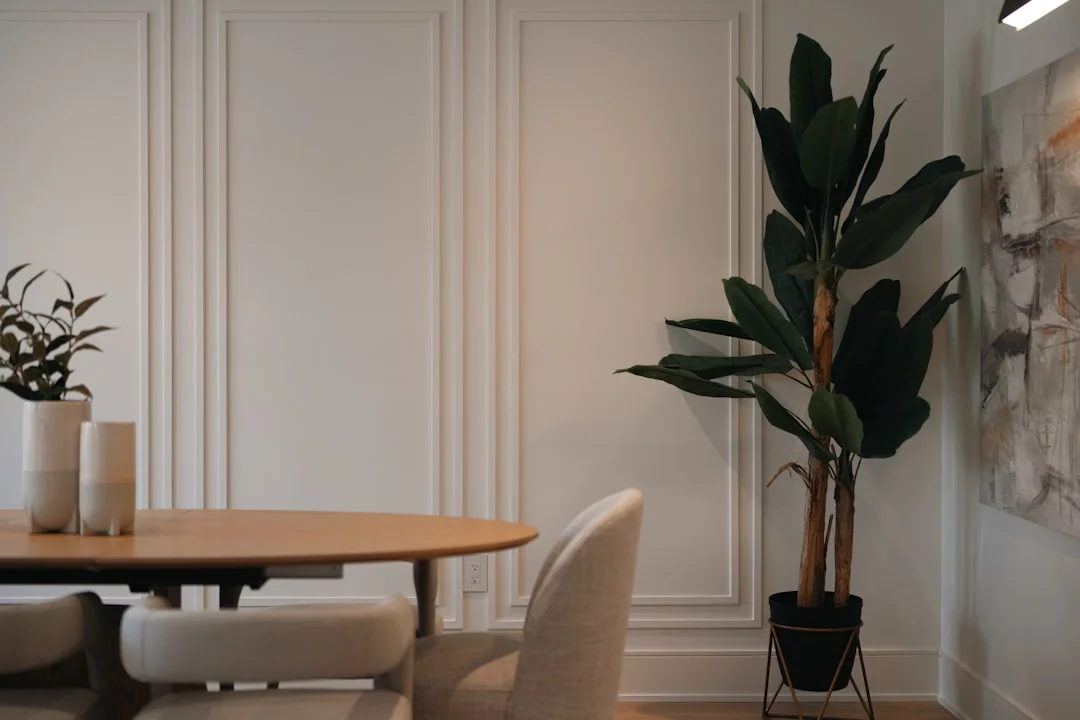
- A living, healthy plant placed in a sunny corner acts as a powerful Wood element symbol, actively purifying the air and introducing vibrant, life-affirming energy into the space.
- Ensure that any symbolic object you display is one that you personally find beautiful and meaningful, as personal resonance is the most critical factor for its positive psychological impact.
Conclusion
Integrating Feng Shui symbols into the living room is an art of intentional placement and personal resonance, far beyond superstition or arbitrary decoration. It is a practice that harmonizes the ancient understanding of environmental energy with modern needs for psychological comfort and aesthetic beauty. By thoughtfully selecting symbols that balance Yin and Yang, engage the Five Elements in a productive cycle, and facilitate the smooth flow of Qi, we transform the living room from a simple gathering area into a nurtured sanctuary. Ultimately, the most effective symbols are those that speak to the inhabitants, embedding their aspirations for health, harmony, and happiness directly into the fabric of their daily environment. This conscious curation empowers individuals to actively shape their domestic space into a true source of support and rejuvenation.