The main entrance of a home is far more than a physical threshold; in the art of Feng Shui, it is known as the "Mouth of Qi." This portal is the primary point where energy, opportunities, and influences from the outside world enter your personal sanctuary. How this entrance is designed, maintained, and positioned sets the foundational tone for the energy within the entire dwelling. A well-considered entrance welcomes nourishing energy, while a neglected or blocked one can hinder the flow of prosperity and well-being. Understanding the rules governing this crucial space allows you to consciously shape the first impression your home makes on the world and on the vital forces that sustain it.
Core Concept
The main entrance represents the interface between your private life and the public realm. It is the conduit through which the home receives its vital life force, or Qi. This energy is not merely an abstract idea; it manifests as light, air, sound, and the first sensory experiences of anyone crossing the threshold. The condition of the entrance directly influences the quality and character of the Qi that circulates throughout the entire interior environment. In practical terms, the entrance functions as the home's "face" and "respiratory system." Just as a clear, welcoming face invites positive social interaction, a clear, inviting entrance attracts positive opportunities. As a respiratory system, it must be unobstructed to allow for a steady, smooth inhalation of fresh energy. A cramped, dark, or cluttered entryway is akin to labored breathing for the home, creating a sense of constriction for its inhabitants. Conversely, an entrance that is too exposed or direct can cause energy to rush in and out too quickly, failing to settle and nourish the space. Real-life examples illustrate this clearly. Consider a home where the front door opens directly onto a busy, noisy street with no transitional space like a porch or garden; the energy is harsh and invasive. In contrast, a home where the path to the door meanders gently through a tended garden, with the door itself in good repair and well-lit, creates a transition that filters and calms the incoming energy, preparing it to benefit the interior.
Traditional Feng Shui Perspective
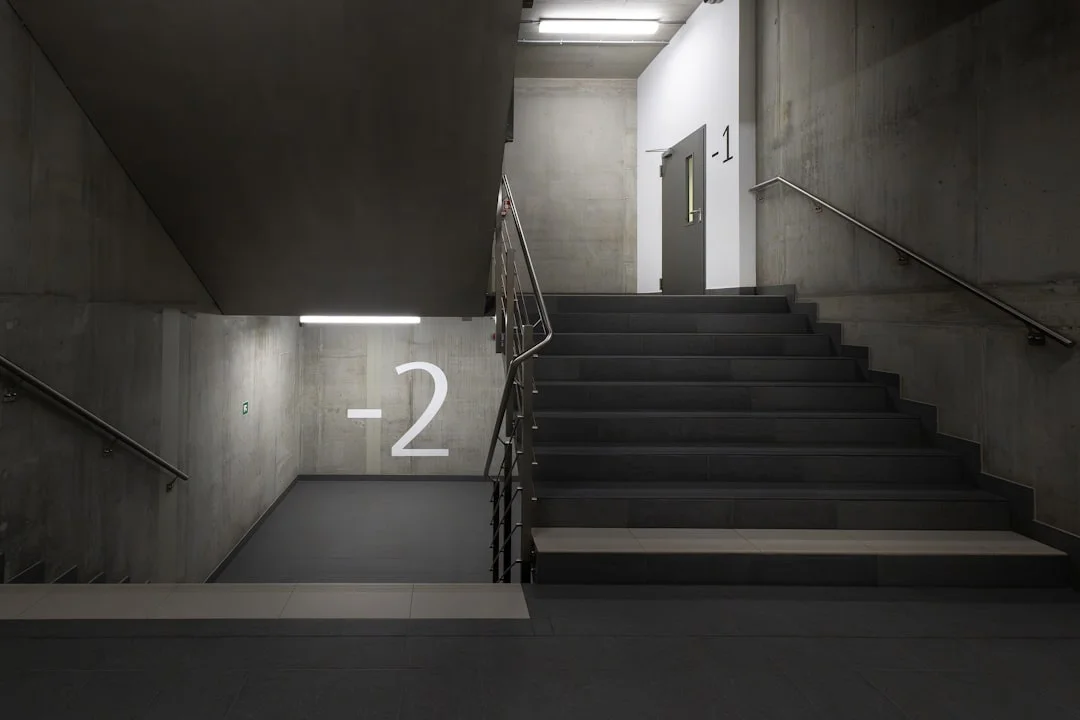
From the classical viewpoint, the main entrance is governed by precise principles aimed at optimizing the flow and quality of Qi. The primary goal is to attract *Sheng Qi* (vital, ascending energy) and deflect *Sha Qi* (hostile, attacking energy). Yin-Yang Balance at the Threshold: The entrance must strike a balance between the Yang energy of the outside world (active, bright, public) and the need for a transition into the more Yin, receptive interior (calm, private, protective). A door that is overly grandiose for a modest home creates a Yang imbalance, while a hidden, recessed door that is difficult to find creates excessive Yin. The area immediately outside the door should feel secure and contained (Yin) yet be open enough to allow access and light (Yang). Five Elements Interactions: The materials, colors, and shapes used at the entrance should be in harmonious conversation. A metal door (Metal element) facing a southern direction (associated with Fire) can be problematic, as Fire melts Metal. This could be balanced by introducing the Earth element (e.g., a stone step or terracotta pot) since Fire creates Earth, and Earth creates Metal, forming a supportive cycle. A wooden door (Wood element) facing east (also Wood) is generally auspicious, reinforcing growth and new beginnings. Qi Flow and Spatial Harmony: The path of Qi should be invited, not forced. A straight, long pathway leading directly to the front door, especially if aligned with a rear door or large window, allows Qi to enter and exit without pausing—this is called "rushing Qi" and is seen as depleting. Ideal layouts encourage a meandering approach. Internally, the view from the front door is critical. It should not face a wall, a steep staircase, or a bathroom door, as these configurations cause Qi to stagnate, crash, or be drained away immediately. A welcoming view into a tidy, well-lit living space allows Qi to disperse gently and settle. Symbolism of Direction, Structure, and Door Itself: The direction the door faces, according to the Lo Pan compass, carries specific elemental associations and life aspects. More fundamentally, the door must open smoothly and fully, symbolizing openness to opportunity. It should be solid, without cracks or broken hinges, representing the strength and integrity of the household's boundary. Steps leading up to the door should be even and in good repair, symbolizing a stable ascent in life.
Modern Interpretation
Contemporary environmental psychology and design principles echo many of these ancient concepts, framing them in terms of human perception, mood, and behavior. The main entrance is understood as a critical "transition zone" that psychologically prepares us to shift from our public persona to our private self. Environmental Psychology and First Impressions: The state of your entrance directly impacts your subconscious mind and that of your visitors. A cluttered, poorly lit entryway can subconsciously signal chaos, neglect, or unwelcomeness, elevating stress levels from the moment one arrives. A clean, orderly, and aesthetically pleasing entrance reduces cognitive load, creates a sense of anticipation, and fosters feelings of safety and control. This positive first impression sets a constructive emotional tone for all interactions within the home. Impact on Daily Rhythm and Stress: For residents, the entrance is the daily launchpad and homecoming point. A functional space with a place for keys, shoes, and bags (managing clutter) reduces morning friction and evening chaos. A pleasant, organized entry makes leaving the house feel more deliberate and returning feel like a genuine relief. This daily ritual, when supported by the environment, significantly lowers ambient stress and reinforces positive routines. Productivity and Lifestyle Influence: An entrance that effectively manages the transition between outside and inside helps to compartmentalize life. It allows you to metaphorically "leave work at the door" or shed the distractions of the outside world. This clear boundary is essential for mental rest, focus on family life, and personal rejuvenation. When the entrance is a dumping ground for mail, packages, and outdoor gear, these external demands visually intrude into the home, making it harder to disconnect and truly be present. The practical meaning is clear: investing thought into your entrance is an investment in your daily well-being. It is about creating a functional airlock that manages physical clutter and psychic noise, ensuring that the space you call home truly serves as a restorative haven.
Insights
- Ensure your main entrance is well-lit both during the day and at night, as ample lighting symbolically and literally welcomes positive energy and promotes a feeling of safety.
- Maintain absolute clarity in the space directly in front of your door, both inside and out, by removing all obstructions like shoes, mats, or plants that block its full opening.
- The view upon entering should be pleasant and unobstructed, ideally allowing sight into a living area rather than a blank wall or an immediate staircase.
- Incorporate a solid, well-maintained door that opens smoothly inward to symbolize your openness to receiving the good fortune that comes your way.
- Create a subtle transition, such as a small rug or a slight change in flooring, just inside the door to help ground incoming energy and mark the shift into your private domain.
Conclusion
The Feng Shui of the main entrance is a profound blend of symbolic intention and practical environmental design. Its rules guide us to create a threshold that is not merely a passageway, but a conscious filter and a welcoming committee for the energies of life. By applying these principles—ensuring clarity, stability, balance, and a harmonious transition—we empower the entrance to perform its essential function: to attract, calm, and guide nourishing energy into the heart of the home. In doing so, we lay a foundation for a living space that supports prosperity, peace, and well-being for all who dwell within.