The desire to cultivate a harmonious and supportive home environment is a timeless human aspiration. Within the framework of Feng Shui, the ancient Chinese art of placement, specific objects are not merely decorative; they are considered tools to influence the flow of Qi, or life force energy. By intentionally selecting and positioning these items, one can address energetic imbalances, enhance particular life areas, and create a space that feels both nurturing and invigorating. This practice moves beyond superstition into the realm of environmental design, where symbolism, natural elements, and mindful arrangement converge to shape our daily experience.
Core Concept
At its heart, the use of Feng Shui objects is an application of symbolic intervention to manage environmental energy. Each object carries a specific meaning, material property, and associated elemental force. When placed thoughtfully, these objects interact with the existing energy patterns of a space to either activate, calm, redirect, or stabilize the Qi. This is not about magically attracting luck, but about creating conditions where positive energy can circulate freely, obstacles are minimized, and the inhabitants feel supported in their endeavors. The "good luck" sought is often the result of improved clarity, reduced stress, better relationships, and enhanced opportunities that arise from a balanced living space. For instance, a heavy, earthenware vase in a specific corner can provide grounding stability, while a mobile with metallic chimes near an entrance can help clear stagnant energy. A healthy plant in a workspace introduces the Wood element's energy of growth and vitality. These objects serve as focal points for intention, reminding us of our goals and helping to structure the invisible energy we interact with daily. Their effectiveness is tied to their personal significance to the resident, their aesthetic appeal, and their correct placement according to Feng Shui principles.
Traditional Feng Shui Perspective
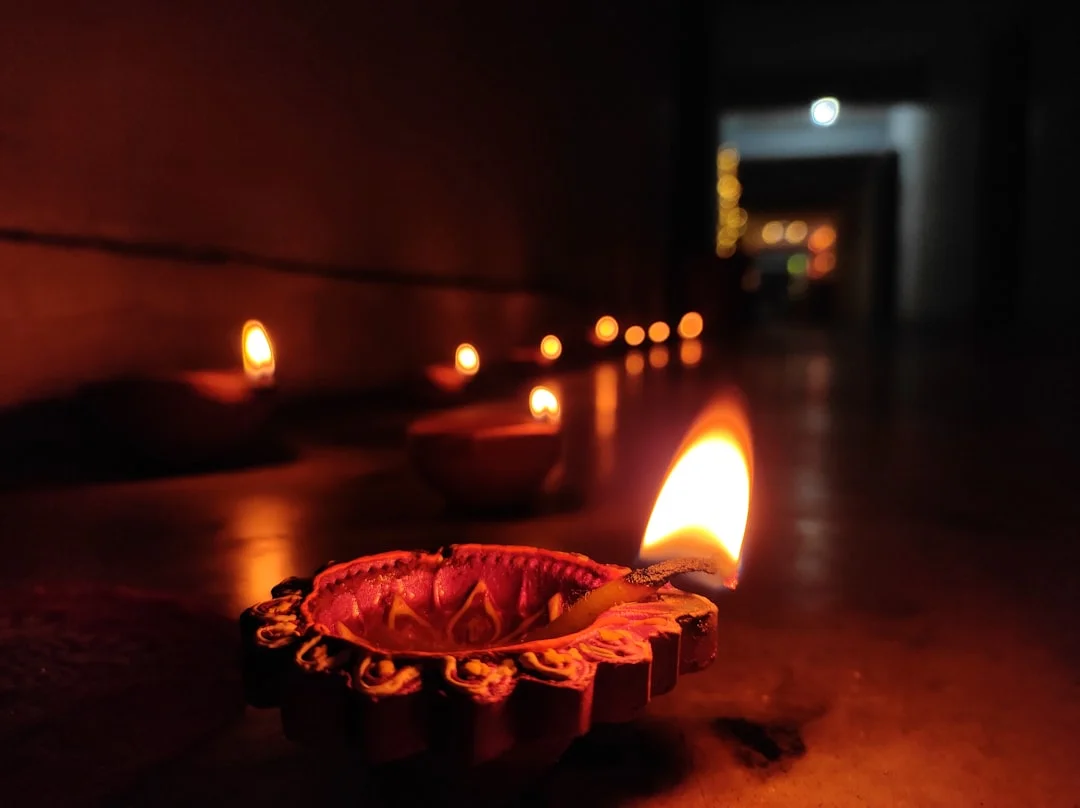
From a classical viewpoint, the efficacy of Feng Shui objects is deeply rooted in the theories of Yin-Yang balance and the Five Elements. Every object embodies a certain elemental quality and a degree of Yin or Yang energy. The goal is to use these objects to create a harmonious dialogue between these forces within a given space. The Five Elements—Wood, Fire, Earth, Metal, and Water—are in a constant cycle of generation and reduction. A Feng Shui practitioner analyzes a space to see which elements are dominant or lacking. Objects are then used as remedies. If an area lacks the Fire element's energy for passion and recognition, one might introduce a red candle or a triangular shape. If the Metal element's qualities of precision and clarity are needed, incorporating a brass bowl or a white sculpture could be advised. The materials, colors, and shapes of objects all contribute to this elemental interplay. Yin-Yang balance is equally crucial. A bedroom, a place for rest, should have a more Yin quality. This might be achieved with soft textiles, rounded shapes, and lower lighting—all considered Yin objects. A home office, in contrast, benefits from more Yang energy, supported by objects like a sturdy desk (Yang structure), good overhead light, and perhaps a moving element like a desktop fountain. The symbolism of objects is also paramount. Traditional items like the three-legged money toad, the laughing Buddha, or paired mandarin ducks are not arbitrary; they carry centuries of symbolic meaning related to abundance, contentment, and relationship harmony, respectively, and are placed in very specific locations to activate those aspirations.
Modern Interpretation
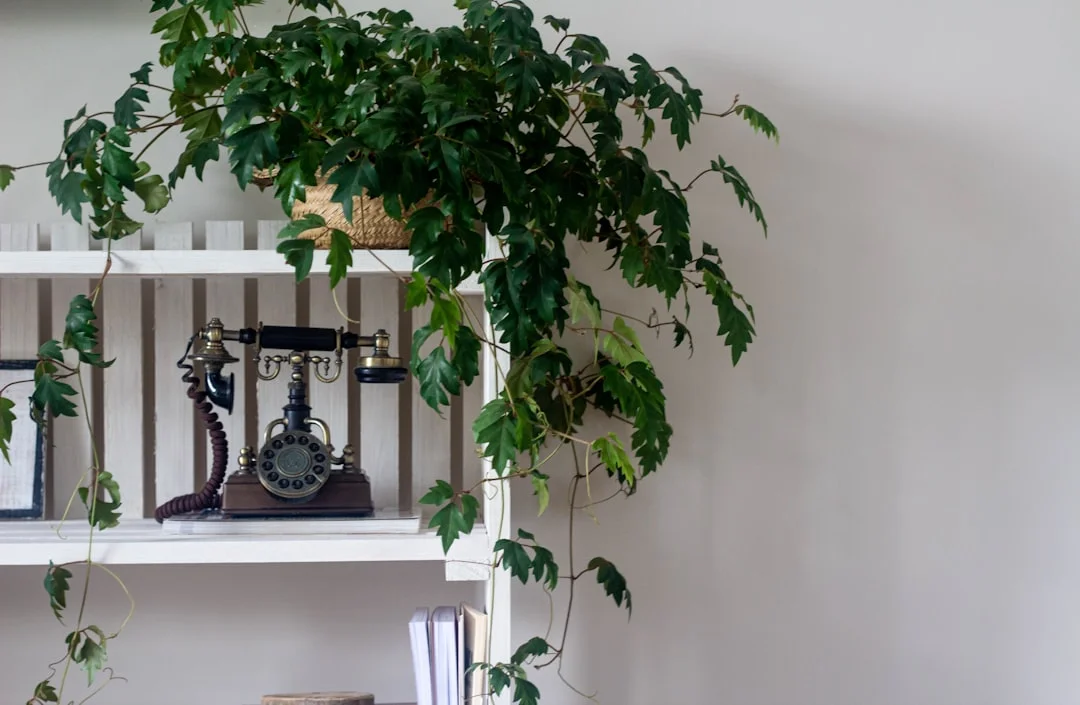
Contemporary understanding frames Feng Shui objects through the lens of environmental psychology and conscious interior design. Modern practitioners and homeowners view these items less as mystical talismans and more as psychological anchors and aesthetic tools that directly impact mood, mindset, and behavior. Environmental psychology confirms that our surroundings profoundly affect our mental state. A cluttered, chaotic space can increase anxiety, while a clean, organized one can promote calm. In this light, a Feng Shui object like a beautiful bowl used to collect keys at the entryway serves a practical psychological purpose: it reduces visual clutter, creates a ritual, and establishes order, thereby reducing stress upon entering the home. A large mirror placed to reflect a pleasant view literally expands the visual space, which can alleviate feelings of constriction and improve mood. The impact on lifestyle is tangible. A carefully chosen piece of art that evokes feelings of peace and is placed where you first see it in the morning sets a positive tone for the day. A healthy, vibrant plant in your workspace not only symbolizes the Wood element's growth but also improves air quality and provides a natural, calming visual break from screens. The practical meaning is about intentionality. Choosing objects that are meaningful, beautiful, and placed with purpose transforms a house into a personal sanctuary. This conscious curation supports productivity by creating dedicated, well-ordered zones for work and rest, and influences behavior by encouraging the habits associated with the object's placement, such as reflection by a water feature or connection while seated at a harmonious dining table.
Insights
- Place a smooth, heavy stone or ceramic object in the far left corner of your living room to symbolically ground your financial energy and encourage a sense of stability.
- Incorporate a small, gently moving water feature like a desktop fountain in the career area of your office to stimulate the flow of new opportunities and clear mental stagnation.
- Use pairs of objects, such as two identical candles or sculptures, on your bedroom nightstands to strengthen the symbolic energy of partnership and mutual support.
- Introduce a living plant with rounded leaves in the health area of your home to promote vibrant, upward-growing Qi and improve the vitality of the space.
- Hang a wind chime with a hollow, metallic sound outside a frequently used door to disperse any rushing or chaotic energy before it enters your home.
Conclusion
Ultimately, Feng Shui objects are conduits for intention and instruments of environmental balance. Their power lies not in inherent magic, but in their ability to focus our attention, embody natural principles, and interact with the energy dynamics of a space according to time-tested frameworks. By understanding the traditional symbolism of the Five Elements and Yin-Yang, and blending this with a modern appreciation for environmental psychology, we can select and position objects with deeper purpose. The resulting "good luck" is the experiential benefit of living in a home that feels aligned, supportive, and thoughtfully composed—a space where energy flows smoothly, and life within it can flourish.