The quest for an optimal living or working environment is timeless, and Feng Shui offers a sophisticated framework for achieving it. At its heart, Feng Shui is the art and science of arranging space to harmonize with the natural flow of energy, known as Qi. The best layout is not a single, rigid blueprint but a dynamic configuration that facilitates the smooth, nourishing, and unobstructed movement of this vital force. Such a layout considers the interplay of form, direction, and elemental balance to create spaces that support health, well-being, and prosperity. This article explores the principles that define a layout with superior energy flow, translating ancient wisdom into actionable insights for contemporary life.
Core Concept
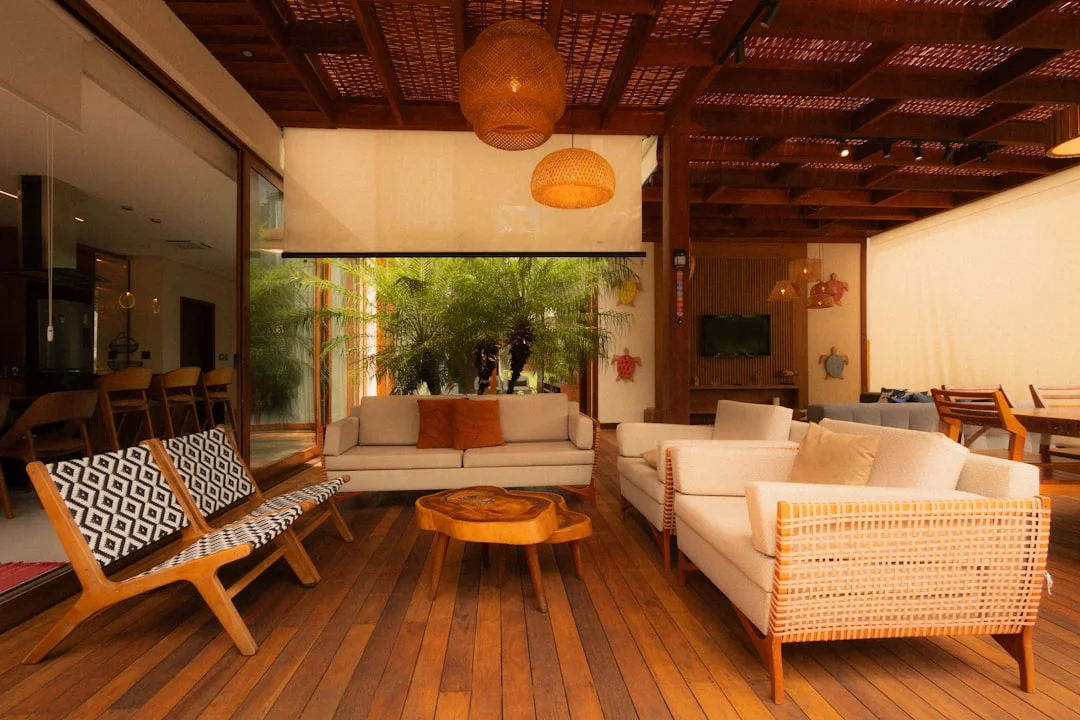
The core concept of an ideal Feng Shui layout revolves around the unimpeded circulation of Qi. Qi is the life force or energy that permeates everything, and its quality within a space directly influences the occupants' experiences. A layout with good energy flow allows Qi to enter gently, meander beneficially throughout the interior, and collect in key areas before departing without rushing away. This concept represents the spatial manifestation of vitality and opportunity. It influences energy by determining whether Qi becomes stagnant, chaotic, or smoothly supportive. Stagnant Qi, often found in cluttered, dark corners, can lead to feelings of lethargy and stuckness. Chaotic or overly rapid Qi, typical of long, straight corridors or spaces facing sharp angles, can create stress and instability. Nourishing, meandering Qi promotes clarity, comfort, and a sense of being supported by one's environment. Real-life examples are evident when comparing spaces. A home with a clear, welcoming entrance that opens into an uncluttered living area, with a clear line of sight to the back garden, exemplifies good flow. Conversely, an office where the main door opens directly into a blank wall or a desk positioned in a cramped alcove with no solid support behind it demonstrates poor flow, often correlating with blocked creativity or a lack of support in one's career.
Traditional Feng Shui Perspective
From a classical standpoint, achieving the best energy flow is a meticulous application of foundational theories. The layout is a physical canvas where Yin and Yang forces and the Five Elements interact under the guidance of Qi. The Yin-Yang balance in space is crucial. A layout should contain both active (Yang) areas, like kitchens and workspaces, and restful (Yin) areas, like bedrooms and meditation corners. The flow should connect these zones without allowing the aggressive Yang energy of a kitchen to rush directly into the passive Yin of a bedroom. The ideal path allows for transition, much like a landscape that moves from open meadows (Yang) to sheltered groves (Yin). Five Elements theory further refines the layout. Each cardinal direction and area of a floor plan is associated with an element (Wood, Fire, Earth, Metal, Water). A harmonious layout considers these associations, using shapes, colors, and materials to strengthen beneficial cycles and mitigate destructive ones. For instance, the southern area of a home is linked to the Fire element, representing recognition and illumination. Introducing wooden elements (Wood feeds Fire) or warm lighting here can enhance this energy, whereas a water feature (Water extinguishes Fire) could dampen it unintentionally. Qi flow and spatial harmony are guided by principles like the "Command Position" and the avoidance of "Poison Arrows." The Command Position is the spot in a room diagonally farthest from and facing the door, allowing one to see opportunities (the door) while being securely supported (a solid wall behind). Placing key furniture like beds and desks here maximizes beneficial Qi. Poison Arrows, or "Sha Qi," are straight lines and sharp corners pointing at critical areas, which disrupt flow. A well-designed layout uses furniture arrangement, screens, or plants to soften these angles and create a protective, curving path for Qi. The symbolism is profound: the layout is a microcosm. The entrance symbolizes the mouth, receiving Qi. The central area represents the heart, which should be open and clutter-free. The pathways are the arteries, requiring clarity. A balanced, flowing layout symbolizes a life in harmony with natural laws.
Modern Interpretation
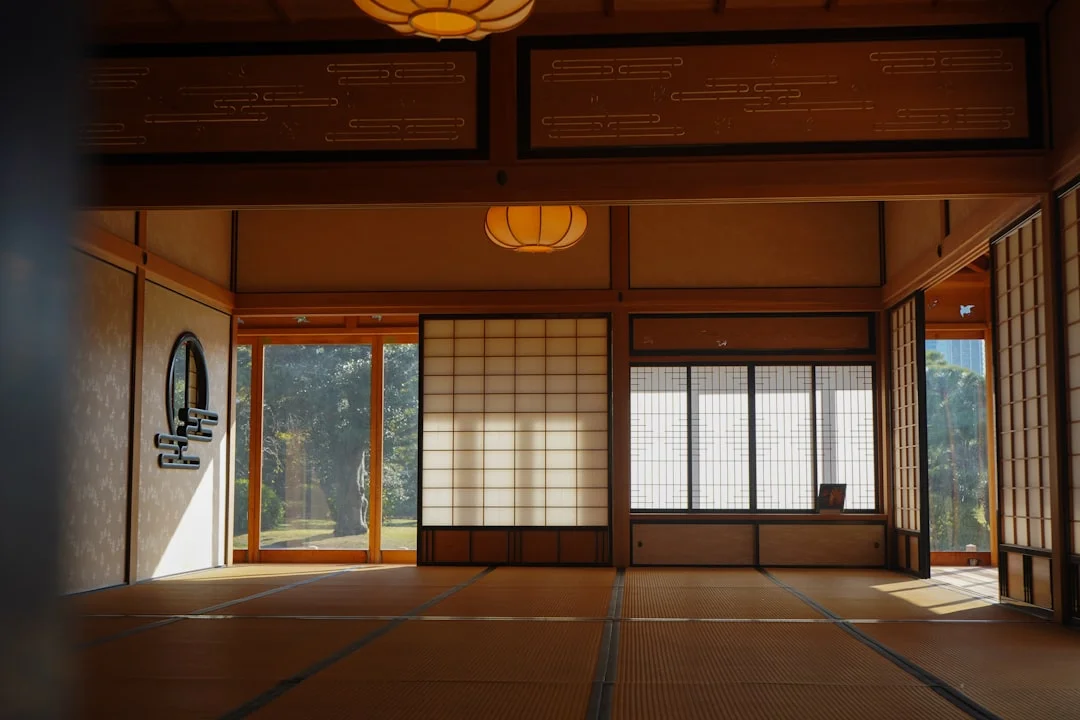
Modern environmental psychology and design principles often arrive at similar conclusions as Feng Shui, albeit with different terminology. The focus shifts to how spatial arrangements impact mood, cognitive function, and social behavior. The impact of space on mood is well-documented. A layout with good flow—characterized by clear pathways, balanced light, and defined yet connected zones—reduces subconscious cognitive load. One does not need to navigate clutter or feel subconsciously "attacked" by a sharply pointed corner. This reduces ambient stress and fosters a sense of calm and control. An open-plan living area that allows for both social interaction and visual quietude supports psychological well-being by offering both connection and retreat. In terms of productivity and lifestyle, the modern interpretation validates the Command Position. In an office, a desk facing the room with a solid wall behind provides a sense of security and reduces vulnerability, allowing for greater focus. A bed positioned to see the door without being directly in line with it supports restful sleep by appealing to primal safety instincts. The flow of movement through a home influences daily routines; a kitchen layout that forms an efficient "work triangle" between stove, sink, and refrigerator is a practical example of facilitating smooth, unhurried Qi for nourishment. Practically, the best energy flow layout means creating an environment that feels intuitively right. It is a space where one can breathe easily, move without obstruction, and feel both energized and relaxed as needed. It is less about superstition and more about designing human-centric spaces that acknowledge our deep-seated need for safety, connection, and harmony with our surroundings.
Insights
- Position your primary desk or bed in the Command Position, facing the door with solid support behind you, to cultivate a sense of security and command over your life's opportunities.
- Introduce gentle curves and living plants into angular room layouts to soften harsh energy and encourage a more natural, meandering flow of movement and attention.
- Ensure the central area of your home remains open and lightly decorated to act as the healthy heart of the space, allowing energy to circulate freely to all other rooms.
- Create a clear, welcoming, and well-lit entrance without obstructions to invite positive opportunities and energy into your living or working environment from the very first step.
Conclusion
The Feng Shui layout that brings the best energy flow is one that masterfully balances movement and stillness, activity and rest, and the five elemental forces. It is a thoughtful composition that guides Qi to nourish every corner of a space, supporting the diverse needs of its occupants. By integrating the traditional emphasis on directional harmony and Qi pathways with modern understandings of environmental psychology, we can design spaces that are not only aesthetically pleasing but fundamentally supportive. Ultimately, the goal is to create an environment where energy flows as effortlessly as breath, fostering well-being, clarity, and a profound sense of being at home in the world.