The pursuit of prosperity is a universal aspiration, and for centuries, Feng Shui has offered a sophisticated framework for cultivating environments that support this goal. Attracting wealth energy, or "Cai Qi," is not about magical thinking but about creating a spatial foundation that encourages abundance, opportunity, and the smooth flow of resources into one's life. This involves a deliberate arrangement of space, objects, and elements to align with natural principles, fostering a setting where one feels empowered, focused, and open to receiving. This article explores the traditional and modern principles behind layouts that are believed to attract and nurture wealth energy.
Core Concept
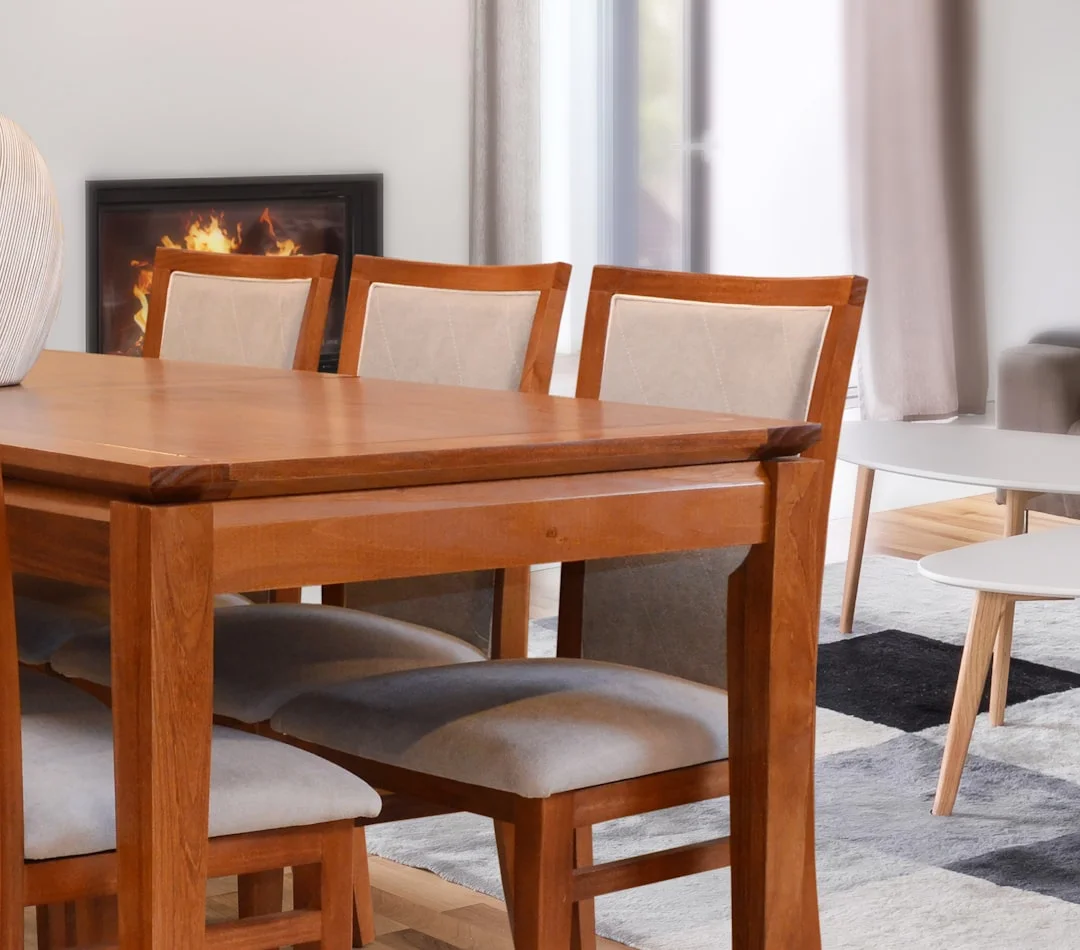
In Feng Shui, wealth energy is not merely synonymous with money; it represents a broader spectrum of abundance, including resources, opportunities, health, and supportive relationships. The core concept revolves around the cultivation and unimpeded circulation of Qi, or life force energy, within a space. A layout that attracts wealth is one that actively gathers, retains, and circulates this vital energy, preventing it from becoming stagnant or draining away. This concept is often visualized through the metaphor of water, which classically symbolizes wealth in Feng Shui. Just as water collects in calm, deep basins, wealth energy gathers in spaces that are clean, orderly, and inviting. The layout focuses on key areas like the main entrance, known as the "Mouth of Qi," and the wealth sector of a home or room. A cluttered, dark, or obstructed entrance, for example, is seen as blocking new opportunities from entering. Conversely, a well-defined, welcoming entry that allows Qi to meander gently into the space sets the stage for abundance. Real-life examples include a home with a clear path to a solid front door, a living room arranged for comfortable conversation and movement, or an office desk positioned to see the door without being directly in line with it.
Traditional Feng Shui Perspective
The classical approach to a wealth-attracting layout is a multi-faceted system balancing several core theories. The Yin-Yang balance is paramount. A wealth-supporting space should not be overly Yang—too bright, loud, and chaotic—as this scatters energy. Nor should it be overly Yin—too dark, silent, and still—as this stagnates energy. The ideal is a dynamic balance: active workspaces with good light (Yang) paired with cozy, softer areas for rest and planning (Yin). The Five Elements theory provides a toolkit for creating this balance and stimulating specific energies. The Wood element, representing growth and expansion, is crucial for wealth. It can be introduced through vertical shapes, columns, or healthy plants. The Earth element offers stability to hold wealth, represented by square shapes or earthy colors. Metal, associated with precision and wealth accumulation, can be incorporated through metallic finishes or round forms. These elements must be arranged in a productive cycle: for instance, Earth (tile) produces Metal (appliances) in a kitchen, supporting nourishment and resource management. Care is taken to avoid destructive cycles, such as an excess of Fire (red paint, triangular shapes) melting Metal in a wealth area. Qi flow and spatial harmony are governed by the arrangement of furniture and architecture. The commanding position is a key principle, where important pieces like a bed or desk are placed diagonally opposite and facing the door, without being in direct alignment with it. This provides a sense of security and command over one's space, which is foundational for attracting and managing abundance. Pathways for Qi should be clear and curved, not sharp and direct. A long hallway aimed straight at the front door, for instance, is said to allow wealth energy to rush in and out too quickly. Using a rug, a piece of furniture, or a screen can slow and settle this flow. Symbolism also plays a role; images of thriving landscapes, flowing water features, or symbols of prosperity aligned with one's culture can act as intentional anchors for wealth consciousness.
Modern Interpretation
From a contemporary standpoint, the principles of a wealth-attracting layout align remarkably well with environmental psychology and design thinking. Modern interpretation focuses on how space directly impacts our mood, cognitive function, and behavior, which in turn influences our capacity to generate and attract prosperity. Environmental psychology confirms that clutter induces stress, reduces focus, and can signal to our subconscious a state of disorder and lack. The Feng Shui imperative for decluttering and organization directly supports mental clarity and the efficient processing of opportunities. The commanding position translates to a fundamental need for psychological safety; being able to see the entrance to a room reduces unconscious anxiety and allows the mind to focus on productive tasks rather than potential threats. This fosters confidence and decisiveness—key traits for wealth creation. The use of natural elements like plants (Wood) and water features aligns with biophilic design, which has been shown to reduce stress, enhance creativity, and improve well-being. A healthy, thriving plant in the wealth corner is not a mystical talisman but a daily visual cue of growth and vitality, subtly reinforcing a mindset of expansion. The balance of light and color (Yang and Yin) affects circadian rhythms and emotional states; a well-lit, airy home office promotes energy and productivity, while a balanced color palette can create an atmosphere of stability and warmth conducive to strategic thinking. Practically, a wealth-attracting layout is one that removes physical and psychological barriers, supports healthy habits, and creates an environment where one feels in control, inspired, and open.
Insights
- Position your primary workspace in a commanding position, facing the door with a solid wall behind you, to foster a subconscious sense of security and control over incoming opportunities.
- Incorporate the Wood element through healthy, upright plants in the southeast area of your home or office to visually and energetically stimulate growth and new beginnings.
- Ensure your main entrance is impeccably clean, well-lit, and free of obstructions to create a welcoming first impression for both people and new potential.
- Balance active Yang areas for work with softer Yin spaces for rest and reflection, as sustainable wealth generation requires both dynamic action and strategic planning.
- Use symbols of personal abundance and achievement as focal points in your space to serve as constant, positive reminders of your goals and capabilities.
Conclusion
A Feng Shui layout designed to attract wealth energy is ultimately a blueprint for intentional living. It merges ancient observations of natural harmony with a deep understanding of how our surroundings influence our inner state. By applying these principles—whether through the traditional lens of Qi flow and elemental balance or the modern perspective of environmental psychology—we engage in the active creation of a supportive habitat. This habitat minimizes chaos and stress while maximizing clarity, security, and a sense of potential. The true wealth attracted is not merely financial but encompasses the richness of a balanced, harmonious, and empowered life, where one is best positioned to recognize and act upon the abundant opportunities that exist.