The kitchen is far more than a utilitarian space for meal preparation; it is the symbolic heart of the home, representing nourishment, prosperity, and familial warmth. In Feng Shui, the kitchen holds a powerful position as the primary source of Fire element energy, which governs vitality and transformation. Decorating a kitchen with Feng Shui principles in mind is not about adhering to superstitious rules, but about intentionally creating an environment that supports health, harmony, and positive energy flow. This involves a thoughtful balance of the Five Elements, management of the dominant Fire energy, and the strategic placement of decor to foster a space that feels both energizing and calming.
Core Concept
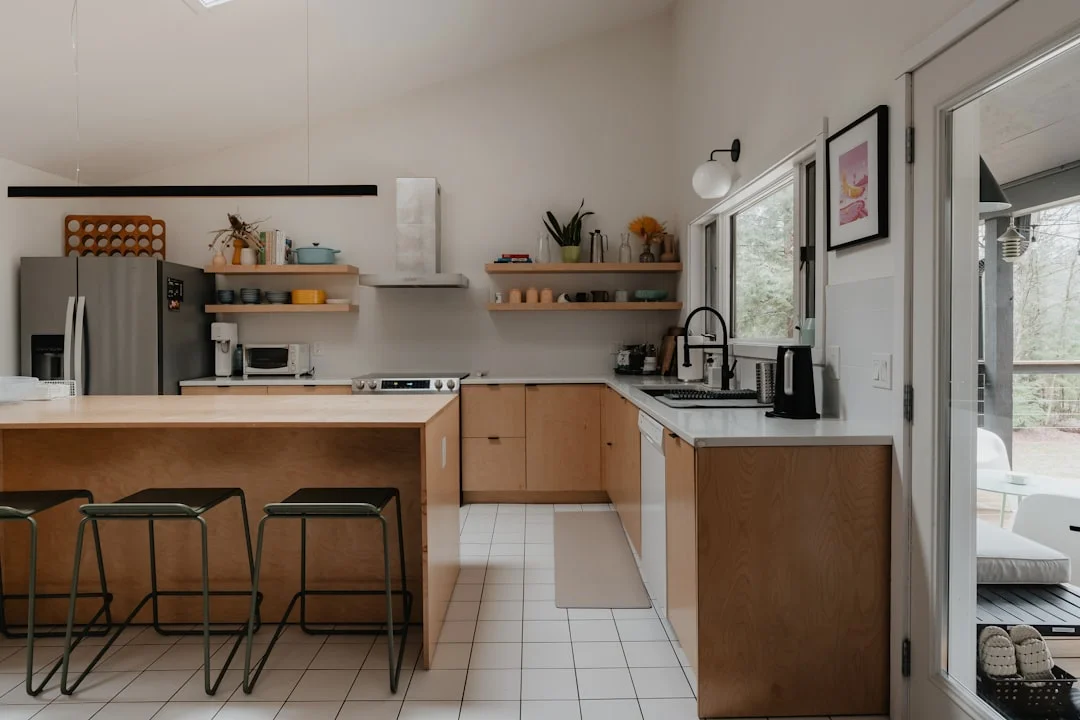
The core Feng Shui concept for the kitchen revolves around managing the potent interaction of Fire and Water elements while ensuring the smooth and nourishing flow of Qi, or life force energy. The kitchen represents the source of nourishment and wealth, as it is where we transform raw ingredients into sustenance. The primary elements at play here are Fire, from the stove and oven, and Water, from the sink and refrigerator. These two elements have a controlling relationship in the Five Elements cycle, where Water can extinguish Fire. If positioned or balanced poorly, this can symbolically "douse" the prosperity and health energy of the home. In real-life environments, this concept manifests in the fundamental layout. A stove placed directly opposite a sink creates a visual and energetic clash. The Qi in such a space can feel chaotic and draining, potentially leading to a sense of tension during cooking. Conversely, a well-organized kitchen with clear countertops, functioning appliances, and a harmonious color scheme allows Qi to circulate freely. This makes the act of cooking a more pleasant, focused, and even meditative activity, directly impacting the quality of the nourishment prepared.
Traditional Feng Shui Perspective
From a classical standpoint, the kitchen is a Yang-dominant space due to the activity, heat, and transformation that occurs there. However, it requires the integration of Yin qualities—such as stability, moisture, and coolness—to achieve balance. This Yin-Yang equilibrium is sought through the mindful application of the Five Elements theory, which provides a framework for creating harmony through color, material, shape, and object placement. The stove is the king of the kitchen, representing Fire and governing career and reputation. Its placement is paramount; it should be positioned so the cook has a clear view of the entrance without being directly in line with it, a principle known as the "commanding position." This affords a sense of security and control. The Water elements—sink and refrigerator—should not directly face the stove. If they do, a Wood element, like a green plant or a wooden cutting board placed between them, can mediate the conflict, as Wood feeds Fire and is nourished by Water. Spatial harmony is achieved by keeping the space clean, uncluttered, and well-ventilated. Stagnant Qi accumulates in dirty corners, under sinks, and in overflowing trash bins. Traditional symbolism also values a full fruit bowl or a jar of rice or grains, representing abundance and the assurance that the household will never go hungry. Metals, representing the Metal element, are naturally present in appliances and utensils. Since Metal is controlled by Fire (Fire melts Metal), this relationship is acceptable, but an overabundance of Metal can create an overly harsh, cutting energy.
Modern Interpretation
Modern environmental psychology aligns remarkably well with these ancient principles, framing them in terms of how space affects our mood, behavior, and cognitive function. A cluttered, poorly lit kitchen with conflicting colors can induce stress, reduce focus, and make cooking feel like a chore. The Feng Shui goal of smooth Qi flow translates directly to creating an environment that reduces cognitive load and promotes a sense of well-being. The emphasis on the stove's commanding position is understood as a need for environmental control and reduced startle response, allowing the cook to feel relaxed and engaged. The recommendation to separate Fire and Water elements minimizes visual distraction and subconscious tension from opposing functionalities. Using natural materials like wood (cutting boards, bowls) and incorporating living plants connects us to biophilic design principles, which are proven to lower stress and improve air quality. The practice of keeping the kitchen clean and appliances in good repair is simply a foundation for hygiene, safety, and efficiency, reducing frustration and supporting a healthy lifestyle. Thus, modern interpretation sees Feng Shui kitchen decor as a holistic design approach that uses sensory input—sight, touch, and even smell—to create a supportive and joyful hub for home life.
Insights
- Placing a small, healthy plant like basil or mint on a windowsill introduces the Wood element, which helps harmonize the Fire-Water dynamic while providing fresh herbs for cooking.
- Always keep the stove clean and in good working order, and make a practice of using all burners periodically to activate the full spectrum of your prosperity energy.
- Incorporate the Earth element through ceramic canisters, stone countertops, or colors like terracotta or soft yellow to stabilize the strong Fire energy and ground the space.
- Ensure excellent lighting, particularly over key work areas like the stove and main countertop, to brighten the Qi and make food preparation safer and more accurate.
- Use a beautiful bowl filled with fresh fruit or a decorative jar of grains on the counter to serve as a constant visual symbol of abundance and nourishment in your home.
Conclusion
Feng Shui decor in the kitchen is ultimately about intentional design that supports the vital function of this space. It moves beyond aesthetics to consider the energetic relationships between elements, objects, and the people who use the room. By seeking a balance between Fire and Water, introducing mediating elements like Wood and Earth, and prioritizing cleanliness, order, and a sense of command, we create a kitchen that is more than just efficient. It becomes a nurturing center that promotes health, fosters harmonious interaction, and symbolically supports the prosperity of the entire household. The principles offer a timeless guide to crafting an environment where the simple act of preparing a meal contributes positively to the overall energy and atmosphere of the home.