The living room serves as the heart of a home, a central hub for gathering, relaxation, and social connection. In Feng Shui, this space is considered paramount for nurturing the well-being of the entire household. The colors chosen for this room are far more than mere decoration; they are powerful tools that directly influence the flow of Qi, or life force energy. By understanding and applying the principles of Yin-Yang balance and the Five Elements, one can select a color palette that fosters harmony, supports specific intentions, and creates an environment that feels both uplifting and deeply comforting.
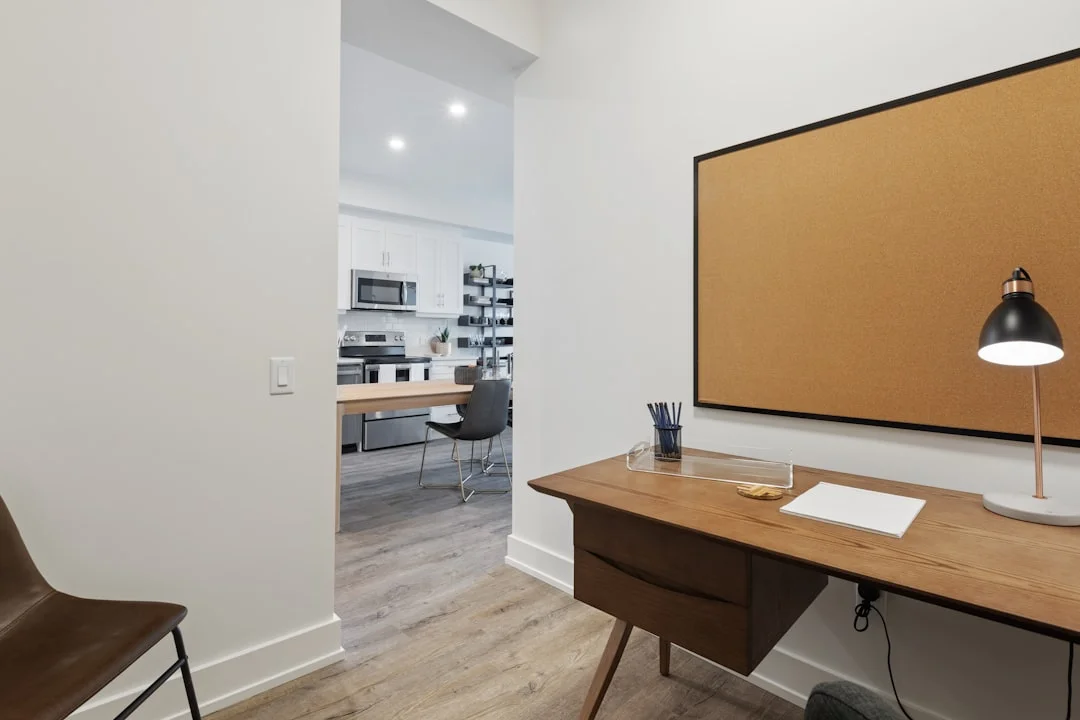
Core Concept
In Feng Shui, color is a primary language of environmental energy. Each hue vibrates at a specific frequency that interacts with the Qi in a space, affecting the mood, behavior, and even the health of its occupants. The living room, being a social and family-oriented area, requires a balanced energy that promotes both lively interaction and peaceful co-existence. The goal is not to pick a single "lucky" color, but to compose a harmonious symphony of shades that support the room's function. For instance, a living room used primarily for entertaining guests benefits from slightly more vibrant, Yang energy to stimulate conversation and joy. Conversely, a living room that doubles as a quiet retreat for reading needs more Yin, calming tones to encourage repose. Real-life application involves assessing the room's natural light, size, and primary use, then selecting colors that either enhance or temper these inherent qualities to achieve equilibrium.
Traditional Feng Shui Perspective
The classical approach to color in the living room is deeply rooted in the theories of Yin-Yang and the Five Elements (Wood, Fire, Earth, Metal, Water). These systems provide a framework for understanding how colors interact with space and with each other. Yin-Yang Balance in Space: Colors possess inherent Yin or Yang qualities. Yang colors (reds, oranges, bright yellows) are active, stimulating, and social. Yin colors (blues, deep greens, blacks, soft neutrals) are passive, calming, and introspective. A balanced living room should contain both. A room with excessive Yang colors may lead to agitation and conflict, while too much Yin can result in lethargy and stagnation. The art lies in the proportion; typically, a living room favors a slightly Yang-leaning balance to encourage activity, tempered with grounding Yin elements. Five Elements Interactions: Each element is associated with a color family and governs specific aspects of life. The creative and destructive cycles of these elements guide color combinations.
- Wood (Greens, Teals): Represents growth, vitality, and family. Ideal for nurturing health and new beginnings.
- Fire (Reds, Oranges, Purples, Bright Yellows): Symbolizes passion, fame, and dynamic energy. Used in moderation to spark conversation and warmth.
- Earth (Yellows, Beiges, Sandy Browns, Terracotta): Provides stability, nourishment, and grounding. Essential for creating a sense of security and support.
- Metal (Whites, Grays, Metallic tones): Clarity, precision, and efficiency. Helps to create a clean, uncluttered, and focused atmosphere.
- Water (Blues, Blacks): Associated with wisdom, career, and calm. Encourages relaxation and fluid communication. A harmonious palette often uses colors from elements that are in a productive sequence (e.g., Wood feeds Fire, Fire creates Earth) or carefully balances elements in a controlling sequence to manage an excess of energy in a specific area of the room's Bagua map. Qi Flow and Spatial Harmony: Color impacts the perceived movement of Qi. Light, reflective colors (Metal, light Earth tones) can make a small, dark living room feel more expansive and help Qi circulate. Dark, absorbing colors (deep Water or Wood tones) can make a large, cavernous room feel more intimate and contained, slowing Qi to a comforting pace. The direction the room faces also matters; a north-facing room (Water element) might benefit from Fire element accents (warm reds) to add energetic warmth, while a south-facing room (Fire) might be balanced with Water tones (cool blues) to prevent overheating.
Modern Interpretation
Contemporary environmental psychology strongly echoes these ancient principles, validating the impact of color on human psychology and physiology. Modern interpretation translates Feng Shui color theory into practical design for health, mood, and social dynamics. From an environmental psychology standpoint, color directly influences emotion and behavior. Warm tones (Earth and Fire) are known to stimulate appetite and conversation, making them excellent for areas meant for socializing. Cool tones (Water and Metal) are linked to lowering heart rate and blood pressure, promoting mental clarity and calm. This scientific understanding aligns perfectly with the Feng Shui goal of using color to manage environmental energy for well-being. The impact on lifestyle is profound. A living room painted in a balanced, earthy neutral with green accents (Earth and Wood) can subconsciously foster a sense of stability and connection among family members. Conversely, a room dominated by stark white and gray (Metal) without warmth may feel aesthetically clean but psychologically cold and unwelcoming for lengthy gatherings. The practical meaning is clear: intentional color choices are a form of non-verbal communication that sets the "rules" for how a space should be used and felt. It moves beyond trend-driven design to create a personalized environment that actively supports the inhabitants' desired quality of life, whether that is vibrant social activity or serene relaxation.
Insights
- For a north-facing living room that lacks natural warmth, incorporate accents of fiery red or orange through cushions or art to psychologically and energetically balance the cool light.
- If your living room is used for both lively gatherings and evening relaxation, choose a grounding beige or soft yellow (Earth) for walls and introduce dynamic energy with removable green or blue (Wood/Water) textiles.
- To counteract feelings of stagnation or low family harmony, introduce the Wood element with plants and shades of green to promote growth and gentle, uplifting energy flow.
- Avoid painting an entire living room in a single, intense Fire or Water color, as this can create an overwhelming energetic imbalance that affects mood and social interaction.
- Use the Metal element's white and gray in moderation to define spaces and create clarity, but always combine it with warmer Earth or Wood tones to prevent a sterile, impersonal atmosphere.
Conclusion
Selecting Feng Shui colors for a living room is an exercise in intentional design, blending ancient wisdom with modern sensibilities. The most effective palette is never a single prescribed hue but a thoughtful composition that considers the room's purpose, natural attributes, and the desired emotional atmosphere. By applying the principles of Yin-Yang balance and the Five Elements cycle, one can move beyond aesthetic preference to curate an environment where color actively cultivates harmonious Qi. This approach transforms the living room from a passively decorated space into an active sanctuary that nurtures connection, rejuvenation, and the overall well-being of everyone who enters.