The living room serves as the heart of a home, a central hub for gathering, relaxation, and social connection. In Feng Shui, it is considered the primary space where Qi, or vital energy, congregates and circulates, directly influencing the well-being and fortune of the household. Decorations are far more than mere aesthetic choices; they are active tools for cultivating and directing this energy. By thoughtfully selecting and placing objects, we can correct imbalances, invite prosperity, and create an environment that genuinely supports and nurtures those who inhabit it. This article explores how specific decorations can be used to enhance the living room's Feng Shui, merging ancient wisdom with contemporary sensibilities.
Core Concept
In Feng Shui, decorations are not passive ornaments but active modifiers of environmental energy. Every object possesses its own energetic signature based on its material, color, shape, and symbolic meaning. These signatures interact with the existing Qi of a space, either enhancing, diminishing, or redirecting its flow. A cluttered, sharp-cornered sculpture creates stagnant, aggressive energy, while a rounded, smooth ceramic vase in a nurturing color can promote calm and gentle movement. The core concept is intentional placement: using decor to solve specific energetic challenges in a room, such as a lack of warmth, poor circulation, or an imbalance of elements. For instance, a dark, north-facing room might feel energetically heavy and cold, requiring decor that introduces light, warmth, and upward-moving energy to counteract this.
Traditional Feng Shui Perspective
The classical approach to living room decorations is a sophisticated application of foundational theories, primarily focused on balancing Yin and Yang and harmonizing the Five Elements. Yin-Yang Balance: A living room should primarily be Yang—active, bright, and social—but must contain Yin elements to allow for rest and depth. Decorations are key to achieving this. Overly Yang decor (excessive bright lights, loud colors, angular metal art) creates tension and prevents relaxation. Overly Yin decor (too many dark colors, heavy fabrics, low lighting) leads to lethargy and social stagnation. The ideal is a dynamic balance: a bright room (Yang) softened with plush textiles and rounded forms (Yin); active conversation areas balanced with a quiet reading corner established by a floor lamp and a comfortable chair. Five Elements Interactions: Each decoration corresponds to one of the Five Elements—Wood, Fire, Earth, Metal, Water. The goal is to create a nurturing cycle of these elements within the space. Wood element decor (live plants, vertical shapes, green colors) promotes growth and vitality. Fire element (candles, triangular forms, reds/purples) inspires passion and social energy. Earth element (ceramics, square shapes, yellows/browns) provides stability and grounding. Metal element (metallic frames, circular shapes, white/gray) encourages precision and clarity. Water element (mirrors, wavy forms, black/dark blue) supports wisdom and flow. A balanced room might feature a wooden bookshelf (Wood) holding ceramic pots (Earth), with a metal lamp (Metal) nearby, reflecting light in a mirror (Water), all illuminated by a candle (Fire). Qi Flow and Spatial Harmony: Decor must facilitate, not obstruct, the smooth flow of Qi. Furniture arrangement is paramount, but decorations finalize the flow. A large piece of art at the end of a clear pathway gives Qi a beautiful focal point to move toward. Wind chimes or mobiles can help lift stagnant energy in a corner. Crucially, decor should be used to soften "poison arrows" or "secret arrows"—sharp edges from walls, shelves, or fireplace mantels that shoot cutting energy. A trailing plant or a rounded sculpture placed in front of such an edge diffuses this harsh Qi. Symbolism: Traditional symbolism infuses meaning into decor. Images of mountains (stability, support) behind seating areas, or water features (wealth, flow) in the appropriate wealth sector, are classic applications. Pictures of healthy, happy families or uplifting landscapes direct the subconscious mind and Qi toward those positive outcomes. The symbolism must always be positive, clear, and resonate with the occupants.
Modern Interpretation
Today, we can understand these principles through the lens of environmental psychology and conscious design. The modern interpretation focuses on how decorations directly impact our mood, cognitive function, and social behavior. Environmental Psychology: Our surroundings send constant signals to our subconscious. A room cluttered with knick-knacks creates cognitive overload and subconsciously signals chaos, increasing stress. Conversely, a minimalist room with a few meaningful, well-placed pieces promotes mental clarity and calm. The use of natural materials (Wood, Earth elements) in decor is proven to reduce stress and enhance feelings of connection, a concept known as biophilic design. The strategic use of color psychology—calming blues (Water), energizing reds (Fire), nurturing greens (Wood)—aligns perfectly with Feng Shui’s elemental color theory. Impact on Mood and Behavior: Decorations define a room's "personality" and thus influence how we act within it. A large, bold piece of abstract art might stimulate conversation and dynamic energy (Fire), while a serene landscape painting (Earth/Water) encourages quiet contemplation. Soft, textured throws and pillows (Yin) make a space feel safe and inviting, promoting relaxation and intimacy. The placement of decor to create clear, unobstructed pathways subconsciously makes us feel more in control and less anxious, directly addressing the Feng Shui principle of smooth Qi flow. Practical Real-Life Meaning: For the contemporary individual, improving living room Feng Shui through decor is about creating a sanctuary that supports desired lifestyles. It means choosing objects that are not only beautiful but also functional in promoting well-being. It is the practical act of removing electronic clutter (disruptive, chaotic Qi) and replacing it with a living plant (clean air, living Wood energy). It is selecting art that inspires you personally, rather than generic mass-produced pieces, thereby ensuring the room’s energy is authentically aligned with its inhabitants. The modern goal is not superstition, but the intentional crafting of a home environment that actively contributes to health, happiness, and harmonious relationships.
Insights
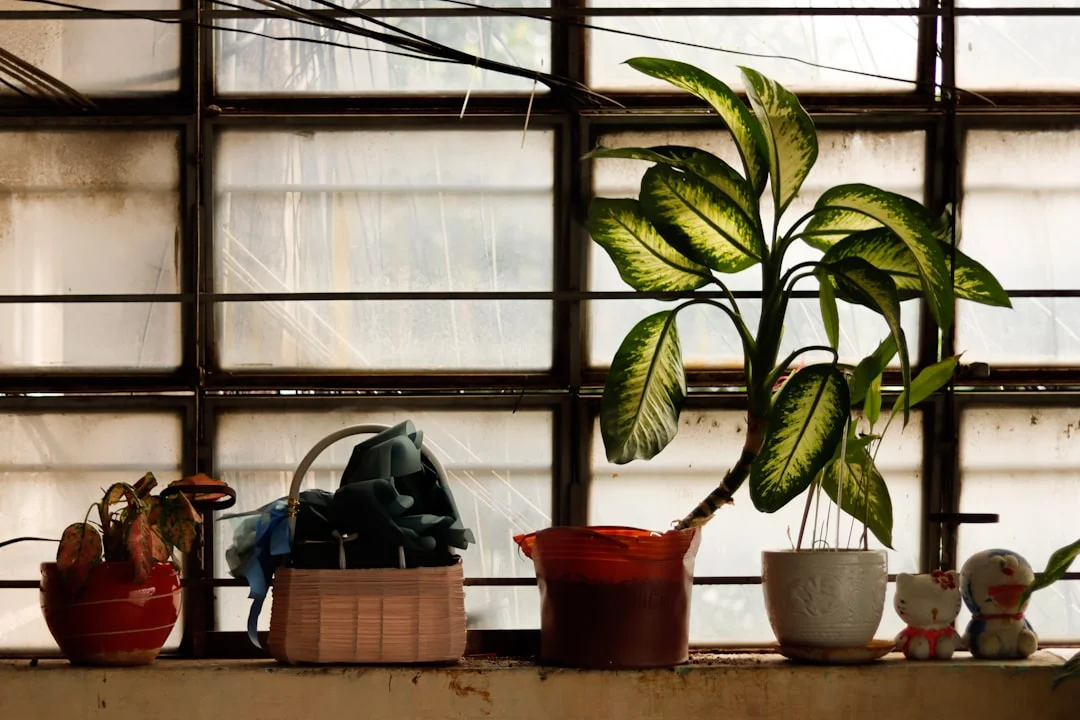
- Place a living plant with rounded leaves in a southeastern corner of your living room to invigorate the Wood element energy associated with growth and family harmony.
- Use a pair of matching table lamps or decor items to flank your main sofa, creating a sense of visual balance and symbolic support for relationships.
- Incorporate a small, round metal bowl or a metallic sculpture in the western area of the room to enhance the Metal element, which supports clarity and joyful social connections.
- Always choose artwork with uplifting and positive imagery, such as open landscapes or abstract works in soothing colors, to direct the emotional tone of the space consciously.
- Employ textiles like curtains and rugs to soften hard architectural lines and absorb excessive sound, thereby creating a more nurturing and calm Yin atmosphere.
Conclusion
Enhancing living room Feng Shui through decorations is an artful practice of environmental mindfulness. It moves beyond superficial styling to engage with the fundamental energy of a space. By applying the timeless principles of Yin-Yang balance and the Five Elements cycle, and interpreting them through a modern understanding of psychology, we can select and position decor with purpose. The result is a living room that does more than look good—it feels good. It becomes a dynamic, supportive environment where energy flows freely, elements are in harmony, and every object contributes to a sense of peace, vitality, and connection for all who gather there. Ultimately, the most powerful decoration is one that holds meaning and contributes positively to the lived experience of the home.