The kitchen is far more than a utilitarian space for meal preparation; it is the symbolic heart of the home, representing nourishment, health, and prosperity. In Feng Shui, the colors chosen for this vital room play a profound role in harmonizing its complex energy. The kitchen uniquely combines the potent elements of Fire (from the stove) and Water (from the sink), creating a dynamic that requires careful balance. Selecting the right palette is not merely a decorative choice but a strategic application of ancient principles aimed at fostering a supportive, healthy, and energetically vibrant environment for all who gather there.
Core Concept
In Feng Shui, color is a direct and powerful expression of the Five Elements theory—Wood, Fire, Earth, Metal, and Water. Each color family corresponds to a specific element, carrying its inherent qualities and influencing the flow of Qi, or life force energy, in a space. The kitchen is considered a potent area because it houses the primary sources of Fire (the stove, oven) and Water (the sink, refrigerator). The goal is to use color to create a supportive relationship between these opposing elements, preventing conflict and promoting a nourishing cycle of energy. The colors in your kitchen directly influence the subconscious atmosphere, affecting appetite, family interaction, and even the perceived quality of the food prepared. A well-chosen palette can make the space feel warm and inviting, encouraging healthy eating habits and harmonious communication. For instance, a kitchen overwhelmed by fiery reds might subconsciously create tension and haste, while one dominated by cool black (Water) could dampen the essential fiery energy needed for cooking and vitality.
Traditional Feng Shui Perspective
From a classical viewpoint, kitchen Feng Shui is a delicate dance of Yin and Yang and the Five Elements. The stove represents strong Yang Fire energy, essential for transformation and vitality. The sink and refrigerator represent Yin Water energy, associated with flow and resources. The fundamental principle is to avoid a direct clash between the Fire and Water elements, which are naturally controlling and can lead to energy conflict, symbolized by arguments or financial drain. The Five Elements cycle provides the framework for color selection. The ideal relationship in a kitchen is a nurturing one: Wood feeds Fire, and Fire creates Earth (ashes). Therefore, introducing the Wood element through colors like greens and browns can beautifully mediate between Water and Fire. Wood acts as a beneficial intermediary, as Water nourishes Wood, and Wood then feeds the Fire of the stove. This creates a continuous, harmonious flow of energy. Earth element colors—such as soft yellows, sandy beiges, and terracotta—are also highly favored. Earth provides stability and acts as a buffer, as Fire creates Earth and Earth can also temper the overwhelming nature of Fire. These hues ground the space, promote a sense of nourishment and comfort, and support digestive health. Metal element colors like white, gray, and metallic tones are acceptable but should be used with awareness. While Metal can be refined, it is controlled by Fire (the stove melts metal) and can drain energy if overused, creating a cold, sterile feeling that is counter to the kitchen's nourishing role.
Modern Interpretation
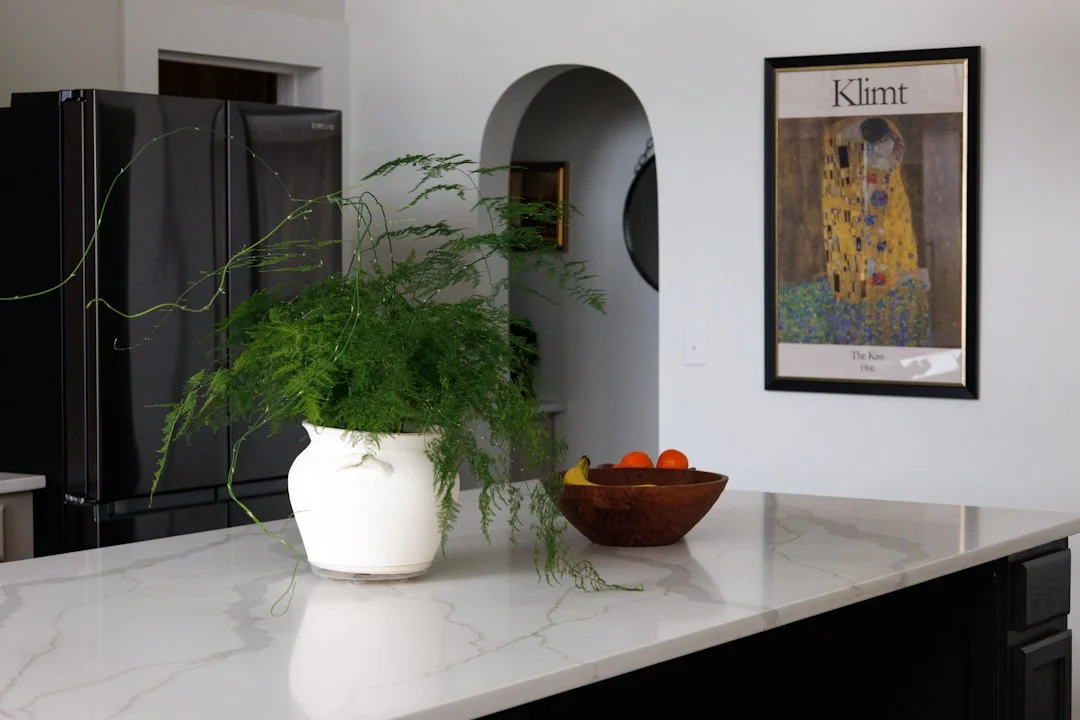
Contemporary environmental psychology strongly echoes these ancient principles, validating the impact of color on mood, behavior, and physiological state. Modern interpretations focus on how kitchen colors affect our daily experience, translating classical concepts into practical well-being. Warm, Earthy tones like soft yellows and creamy beiges are psychologically linked to warmth, comfort, and socialization. They stimulate conversation and create a welcoming atmosphere, making the kitchen a natural gathering hub for family and friends. These colors can also evoke feelings of safety and contentment, directly supporting the kitchen's role as the heart of the home. Greens, associated with nature and health, have a calming and balancing effect. In a busy kitchen environment, green can reduce stress and promote a sense of freshness, subtly encouraging healthier food choices. Conversely, modern design often favors stark whites or cool grays for a sleek, clean aesthetic. While this aligns with the Metal element and a sense of order, an over-reliance on these cool tones can make a kitchen feel clinical and uninspiring, potentially stifling the creative joy of cooking. The modern solution is to layer in warm accents through textiles, artwork, or natural wood elements to introduce balance. Understanding that intense reds (Fire) can increase energy and appetite but also potentially agitation allows for their strategic use as an accent rather than a dominant wall color, aligning with the desire for a space that is both stimulating and serene.
Insights
- Incorporate shades of green or soft brown to introduce the Wood element, which naturally nourishes the Fire of your stove while being supported by the Water of your sink. This creates a harmonious cycle of energy that supports both health and prosperity.
- Opt for warm, earthy tones like creamy yellow, terracotta, or sandy beige to ground the kitchen's energy, promoting feelings of stability, nourishment, and family harmony during meals. These colors provide a supportive backdrop that neither clashes with nor overwhelms the essential appliances.
- Use crisp white or light gray sparingly as primary colors, and instead employ them as accents to create clarity and cleanliness without creating a cold or draining metallic atmosphere. Balance these cool tones with warm-hued accessories or natural materials.
- Introdue vibrant Fire element colors like red or orange only in small, manageable doses through kitchenware, small appliances, or a single accent wall to energize the space without causing subconscious tension. This allows you to harness their stimulating properties for appetite and activity in a controlled manner.
- Always consider the specific layout and lighting of your kitchen, as a north-facing room with little natural light will benefit greatly from warmer, Yang colors to uplift the energy, while a sun-drenched space can handle cooler, Yin tones.
Conclusion
The best colors for kitchen Feng Shui are those that consciously balance the inherent elemental forces at play, primarily Fire and Water. By applying the wisdom of the Five Elements cycle, we see that Earth tones (yellows, beiges) and Wood tones (greens, browns) often serve as the most harmonious and supportive primary palettes. These choices are powerfully reinforced by modern environmental psychology, which confirms their impact on creating a comforting, inviting, and healthy space. Ultimately, a successful kitchen color scheme is one that moves beyond fleeting trends to create an environment where Qi flows smoothly, nourishment is a joy, and the heart of the home feels truly balanced and vibrant.