The bedroom is a sanctuary for rest, intimacy, and rejuvenation, making its design profoundly important for overall well-being. In Feng Shui, color is not merely a decorative choice but a powerful tool that directly influences the flow of Qi, or life force energy, within a space. Selecting the right palette for your bedroom walls, linens, and accents can cultivate an atmosphere that supports deep sleep, harmonious relationships, and personal restoration. This article explores the intersection of classical Feng Shui theory and modern environmental psychology to guide you toward colors that create a truly nurturing bedroom environment.
Core Concept
In Feng Shui, color is intrinsically linked to the Five Elements theory—Wood, Fire, Earth, Metal, and Water. Each element is associated with specific colors, energies, and aspects of life. When applied to a bedroom, colors act as a form of environmental communication, silently shaping the Qi that permeates the room. This energy, in turn, influences our subconscious mind, emotional state, and physical health during our most vulnerable hours of sleep and relaxation. The primary function of bedroom Qi is to be calming, nurturing, and slightly introspective, aligning with the Yin qualities of rest. Colors that are too stimulating or Yang in nature can disrupt this, leading to restless sleep or an overactive mind. For example, a bedroom painted in a vibrant, fiery red may constantly energize the space, which contradicts the need for stillness. Conversely, a room devoid of color or washed in cold, stark whites can create a Qi that feels sterile and unsupportive. A well-chosen color scheme guides the energy to be gently flowing and embracing, like a soft, supportive cocoon.
Traditional Feng Shui Perspective
The traditional Feng Shui approach to bedroom color begins with the fundamental principle of Yin-Yang balance. The bedroom must favor Yin energy—passive, cool, soft, and receptive—to facilitate sleep and intimacy. Yang energy—active, warm, bright, and stimulating—should be used sparingly as an accent. Colors themselves possess Yin or Yang characteristics. Deep, muted, and cool tones are generally more Yin, while bright, saturated, and warm tones are more Yang. The ideal is a base of calming Yin colors, with subtle Yang accents to prevent the energy from becoming stagnant or overly somber. The Five Elements system provides the detailed framework for color selection. Each element's colors bring specific qualities, and the goal is to create a balanced, supportive cycle within the room.
- Earth Element (Beige, Sandy Yellow, Terracotta, Soft Clay): Earth represents stability, nourishment, and relationship harmony. Its grounding colors are excellent for the bedroom, as they foster a sense of safety and support. They are particularly beneficial for calming an overactive mind and promoting trust between partners.
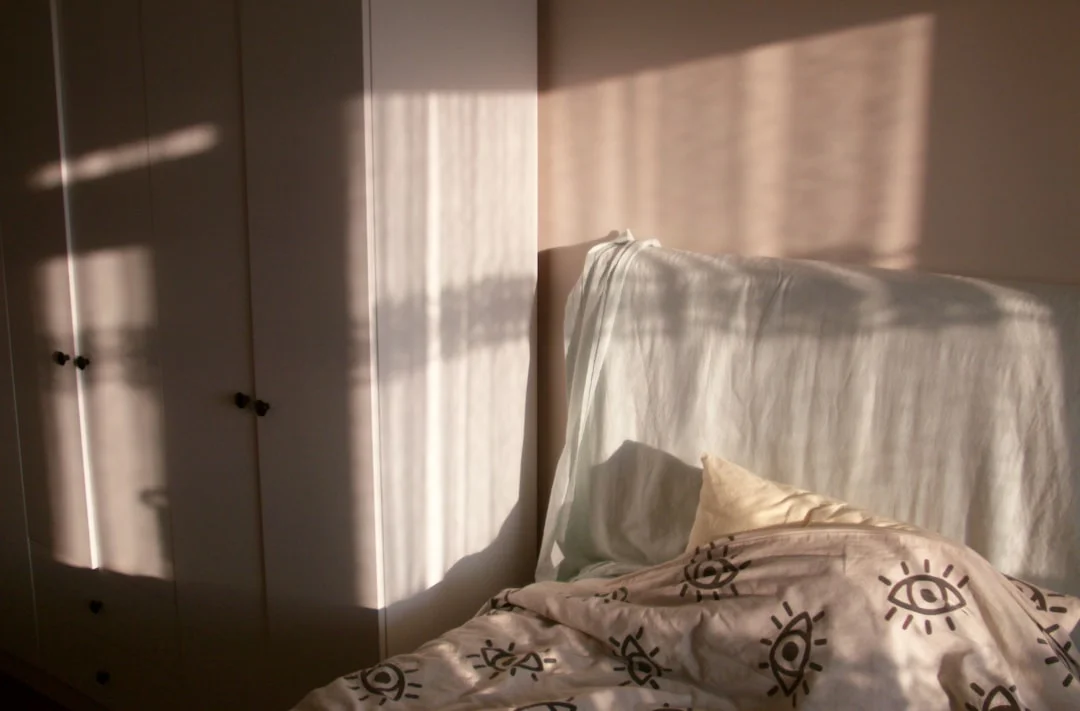
- Skin Tones & Flesh Colors (Peach, Light Pink, Cream, Camel): These are considered a subset of Earth tones in Feng Shui. They are profoundly nurturing and connected to self-care and physical comfort, making them arguably the most recommended colors for bedroom walls or bedding.
- Water Element (Black, Deep Navy, Charcoal): Water relates to stillness, depth, and wisdom. However, its colors are very strong and Yin. They should be used cautiously, ideally as accents or in small spaces, as too much can make Qi feel heavy or promote isolation.
- Wood Element (Greens, Teal): Wood symbolizes growth, vitality, and healing. Soft, muted greens like sage or celadon are wonderful for a bedroom, as they bring a gentle, renewing energy reminiscent of nature without being overly vigorous.
- Metal Element (White, Gray, Metallic): Metal conveys precision, clarity, and freshness. Crisp white can feel too clean and clinical for a whole bedroom, potentially creating a "hospital" feel. Softer whites, off-whites, and gentle grays are preferable, often serving as a clean backdrop that allows other nurturing colors to stand out.
- Fire Element (Red, Orange, Purple, Strong Pink): Fire is the element of passion, fame, and high energy. Its colors are highly Yang and stimulating. Traditional Feng Shui strongly advises against using them as dominant bedroom colors, as they can over-activate Qi, leading to insomnia or agitation. They are best reserved for minimal accents, if used at all. The Bagua map, an energy template laid over a floor plan, can also offer directional color guidance. For instance, the Southwest sector of a bedroom relates to relationships and partnerships, making Earth tones especially potent there. The East, connected to family and health, benefits from gentle Wood element greens.
Modern Interpretation
Modern environmental psychology and color research provide a compelling scientific echo to these ancient principles. Studies confirm that colors have measurable psychological and physiological effects, validating the Feng Shui concept that our environment actively influences us. Colors in the bedroom directly impact mood and behavior through subconscious association and biological response. Soft, warm neutrals and muted greens are consistently linked to feelings of security, relaxation, and reduced anxiety. They lower physiological arousal, helping to slow the heart rate and prepare the body for sleep. In contrast, highly saturated colors, especially reds and oranges, have been shown to increase brain wave activity and blood pressure, states incompatible with restful sleep. The practical meaning for contemporary life is about creating a personal retreat from the over-stimulation of the digital world. A bedroom with a Feng Shui-informed palette becomes a buffer against stress. It supports not just sleep quality, but also intimate communication, as a calming environment reduces defensiveness and fosters openness. Furthermore, starting and ending your day surrounded by nurturing colors can subtly reinforce a mindset of self-care and stability, impacting your resilience and outlook. Productivity is not the bedroom's primary goal, but the quality of rest it provides is the foundation for daytime productivity. A color scheme that genuinely promotes restorative sleep ensures you wake up truly refreshed, with a clearer mind and more balanced emotions, ready to engage with the day's challenges.
Insights
- Prioritize soft Earth tones and skin colors like creamy beige, warm taupe, or pale peach for your primary walls to create an instantly grounding and nurturing atmosphere.
- Introduce gentle Wood element colors such as sage or muted seafoam green through bedding or artwork to promote a subtle sense of healing and renewal without energetic overstimulation.
- Avoid using large areas of pure, bright white or intense cool grays, as they can create a sterile feeling that lacks the cozy, supportive energy essential for a bedroom.
- If you desire the depth of Water element colors or the passion of Fire colors, confine them to very small accents like a single throw pillow, a picture frame, or a bedside accessory.
- Always consider the existing colors in your room's fixed elements, such as flooring or furniture, to ensure your chosen palette creates a cohesive and harmoniously balanced environment.
Conclusion
The best Feng Shui colors for the bedroom are those that masterfully blend the wisdom of the Five Elements with the core need for Yin energy. By favoring nurturing Earth tones, soothing skin colors, and gentle greens, you consciously design an environment where Qi can flow in a soft, supportive manner. This ancient practice finds its validation in modern understanding, confirming that the colors surrounding us during sleep deeply affect our psychological and physical restoration. Ultimately, the optimal palette is one that feels personally calming and secure, transforming your bedroom from a mere place to sleep into a true sanctuary for rejuvenation and peace.