Feng Shui, the ancient Chinese art of placement, is fundamentally about creating environments that support and enhance human life. While often associated with specific adjustments or symbolic objects, its ultimate goal is to achieve a state of harmonious balance. But how can one recognize when this balance has been achieved? Rather than a checklist of items, balanced Feng Shui manifests as a series of subtle yet perceptible qualities within a space. It is felt in the atmosphere, observed in the flow of daily life, and reflected in the well-being of the occupants. This article explores the tangible and intangible signs that indicate a space is in harmony with the principles of natural energy flow and environmental psychology.
Core Concept
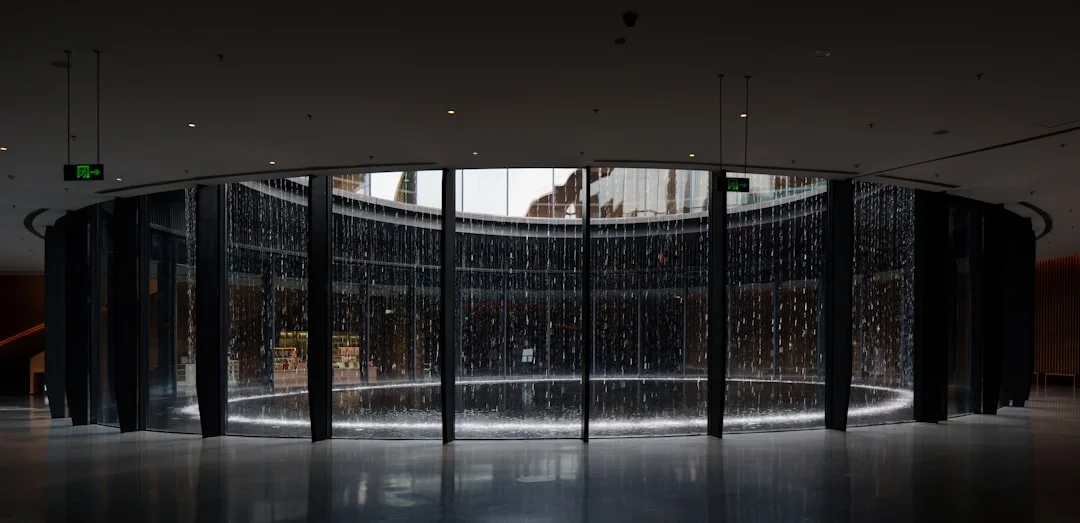
At its heart, balanced Feng Shui represents an environment where Qi, or vital life force energy, can circulate freely and beneficially. This is not about a static perfection, but a dynamic state of equilibrium where the various forces within a space support one another. A balanced space acts as a nurturing container for its inhabitants, promoting health, clarity, and opportunity. Such an environment influences energy by avoiding stagnation and chaotic turbulence. Imagine the difference between a clear, meandering stream and a swamp or a raging flood. Balanced Feng Shui aims for the former—a smooth, gentle, and nourishing flow of Qi that touches every part of the space without getting stuck or rushing destructively through it. In real life, examples of such environments can be found in spaces that feel inherently "good." This could be a home where guests immediately feel relaxed and welcome, a bedroom that consistently provides restful sleep, or an office where focus comes easily and collaboration flows naturally. These are spaces that feel both energized and peaceful, complex yet orderly.
Traditional Feng Shui Perspective
From the classical viewpoint, balanced Feng Shui is a precise orchestration of natural laws and symbolic relationships. It is a physical manifestation of philosophical principles applied to the built environment. The concept of Yin-Yang balance in space is paramount. A healthy environment contains both qualities in appropriate measure. Yin qualities (dark, cool, quiet, still, soft) might be found in a cozy reading nook or a dimmable bedroom. Yang qualities (bright, warm, active, loud, hard) are present in a well-lit kitchen or a lively living room. Balance is achieved when neither force dominates; a home that is all stark white, hard surfaces, and bright lights (excessive Yang) feels as unsettling as one that is perpetually dark, cluttered, and damp (excessive Yin). The Five Elements theory provides a framework for diagnosing and creating this balance. Wood, Fire, Earth, Metal, and Water must interact in a productive, cyclical relationship. Signs of elemental balance include a variety of textures, colors, and shapes that complement rather than clash. For instance, the rigid, clean lines of Metal (in furniture) can be softened by the organic curves of Wood (in plants) or the fluidity of Water (in a mirror or a dark color), with the warm tones of Fire and Earth providing grounding and connection. An imbalance, such as an overabundance of one element, creates a sense of unease—a room with too much Fire (red, triangular shapes, excessive lighting) may feel aggressive, while too much Water (excessive black, wavy forms, isolation) can feel cold and draining. Qi flow and spatial harmony are assessed through the layout and structure. The classical "command position" principle—placing key furniture like beds and desks in a spot that faces the door without being directly in line with it—is a direct application of facilitating good Qi flow, allowing occupants to feel secure and in command of their space. Clear, unobstructed pathways symbolize and facilitate the smooth movement of opportunity and energy into and through the home. Symbolism also plays a role; structures that feel stable and protective, with a clear "embrace" from the landscape or furniture arrangement, are seen as supportive.
Modern Interpretation
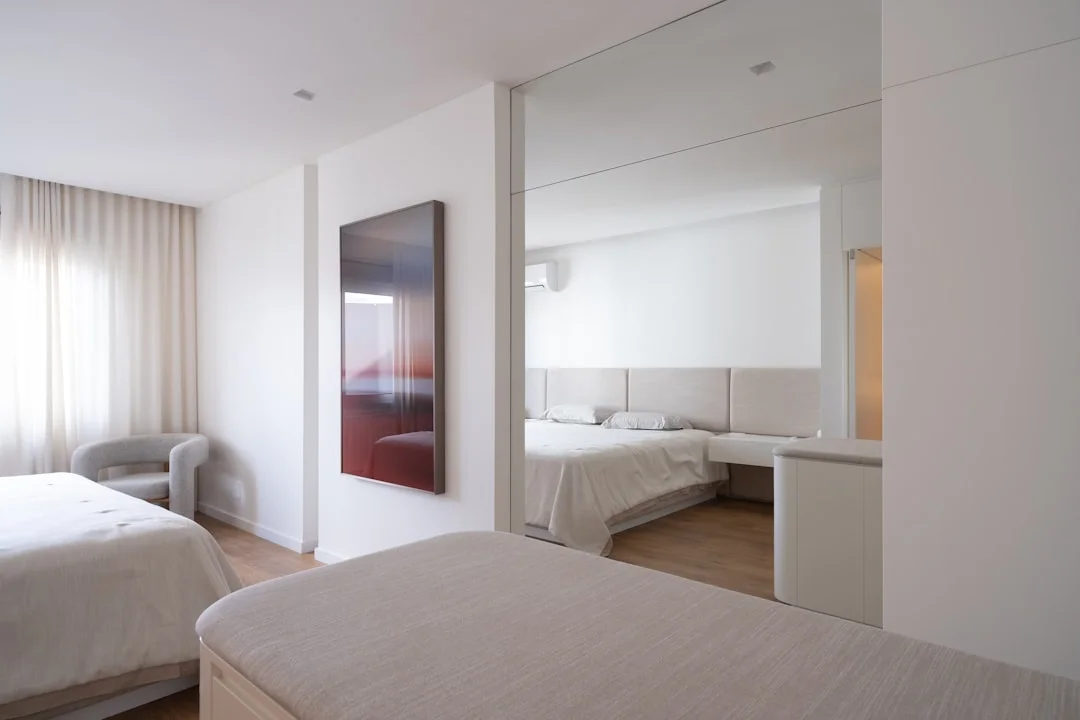
Modern environmental psychology and design principles often arrive at similar conclusions as traditional Feng Shui, albeit with different terminology. The signs of a balanced space are those that positively impact human cognition, emotion, and behavior. From this perspective, the impact of space on mood and behavior is direct and measurable. A balanced environment reduces environmental stressors. This means minimal sensory overload from clutter, harsh lighting, or noise pollution, and minimal deprivation from poor air quality, lack of natural light, or social isolation. The space feels intuitively "right," reducing subconscious anxiety and freeing mental resources for more productive tasks. The influence on productivity, stress, and lifestyle is significant. Signs of balance include an ease in performing daily activities—cooking in a kitchen with logical workflow, relaxing in a living room arranged for conversation, or working in an office that minimizes distractions. Stress levels are lower because the environment supports the body's natural rhythms; for example, bedrooms with blackout curtains and calming colors support circadian rhythms for better sleep. Lifestyle improves as the space facilitates one's goals, whether that is connecting with family, pursuing a hobby, or simply finding moments of peace. Practically, the real-life meaning of balanced Feng Shui is a space that requires less effort to maintain and live in. It feels welcoming to both residents and visitors, supports the health and relationships of those within it, and adapts gracefully to the changing needs of its occupants over time. It is a tool for creating a setting that actively contributes to one's quality of life.
Insights
- A primary sign of balanced Qi is the presence of clean, fresh air and abundant natural light, which actively lift the mood and energy of everyone who enters the space.
- You can identify elemental harmony by observing a sense of visual comfort where colors, shapes, and materials feel neither monotonous nor chaotically competitive with one another.
- Balanced environments often feature a deliberate mix of functional activity zones and dedicated quiet retreats within the same home to support different needs.
- A key practical indicator is the effortless flow of movement from room to room without encountering physical or visual blockages like clutter or poorly placed furniture.
- The ultimate sign of successful Feng Shui is a space that feels personally supportive and reflective of your authentic self, not merely a display of prescribed rules.
Conclusion
Recognizing balanced Feng Shui is less about spotting specific objects and more about perceiving the overall feeling and function of a space. It is the synthesis of traditional wisdom—the harmonious dance of Yin and Yang, the productive cycle of the Five Elements, and the smooth flow of Qi—with modern understandings of environmental well-being. The signs are holistic: a palpable sense of peace and vitality, an intuitive ease of use, and a positive influence on the daily lives and relationships of the occupants. Ultimately, a space with balanced Feng Shui does not shout its principles; it quietly and consistently provides a foundation for health, happiness, and prosperity.