What Are the Most Powerful Feng Shui Rules for a Home?
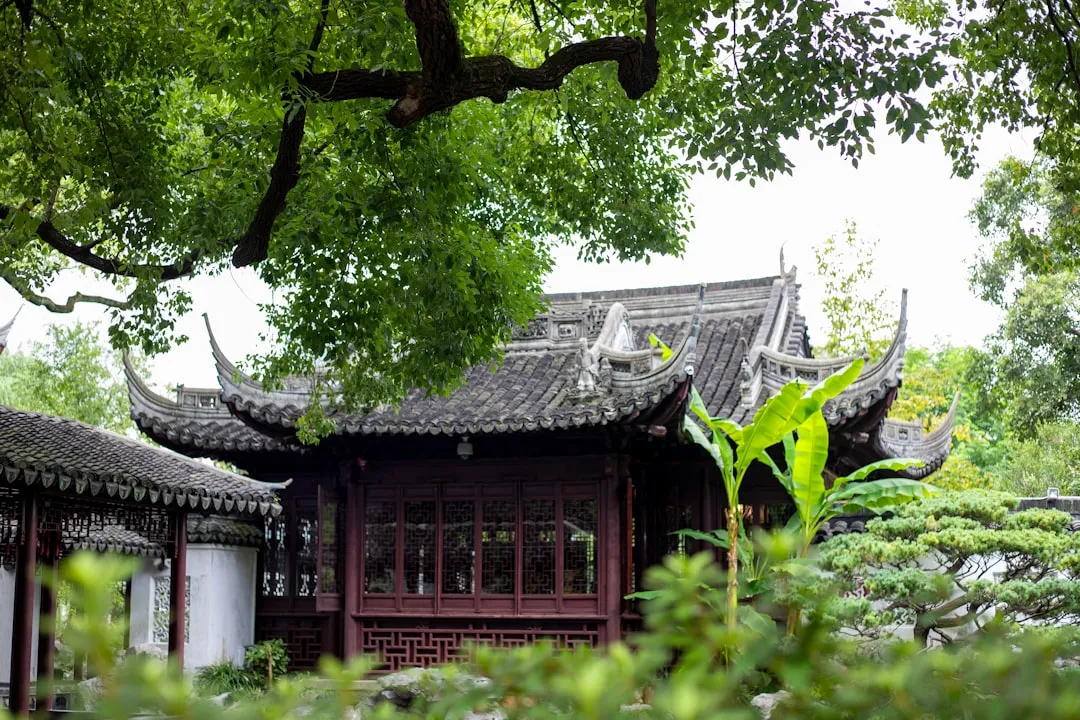
The most powerful Feng Shui rules for a home focus on creating harmonious energy flow, balancing natural elements, and aligning living spaces with cosmic principles to support health, relationships, and prosperity. These time-tested guidelines help transform houses into nurturing environments that enhance wellbeing and opportunity. While Feng Shui encompasses many principles, certain foundational rules consistently demonstrate significant impact when properly applied to residential spaces.
Key Concept
The most powerful Feng Shui rules center on energy (Qi) management through spatial arrangement and elemental balance. The Command Position rule places key furniture—especially beds, desks, and stoves—in positions where occupants can see the room's entrance without being directly in line with it. This positioning creates psychological security and allows optimal energy reception, supporting restful sleep, productive work, and nourishing meals.
The Bagua Map application represents another powerful rule, dividing the home into nine areas corresponding to different life aspects: career, knowledge, family, wealth, fame, relationships, creativity, helpful people, and health. Enhancing each area with appropriate colors, elements, and symbols activates corresponding life areas. The front door holds particular importance as the "mouth of Qi" where energy enters, making its maintenance and welcoming appearance crucial.
Five Elements balance constitutes a fundamental powerful rule, ensuring Wood, Fire, Earth, Metal, and Water elements exist in harmonious proportions throughout the home. Each element corresponds to specific colors, shapes, and materials that, when balanced, create supportive energy patterns. Imbalances—such as excessive Fire (red colors, triangular shapes) or insufficient Water (blue/black colors, wavy forms)—can create disharmony requiring correction.
Cultural Meaning
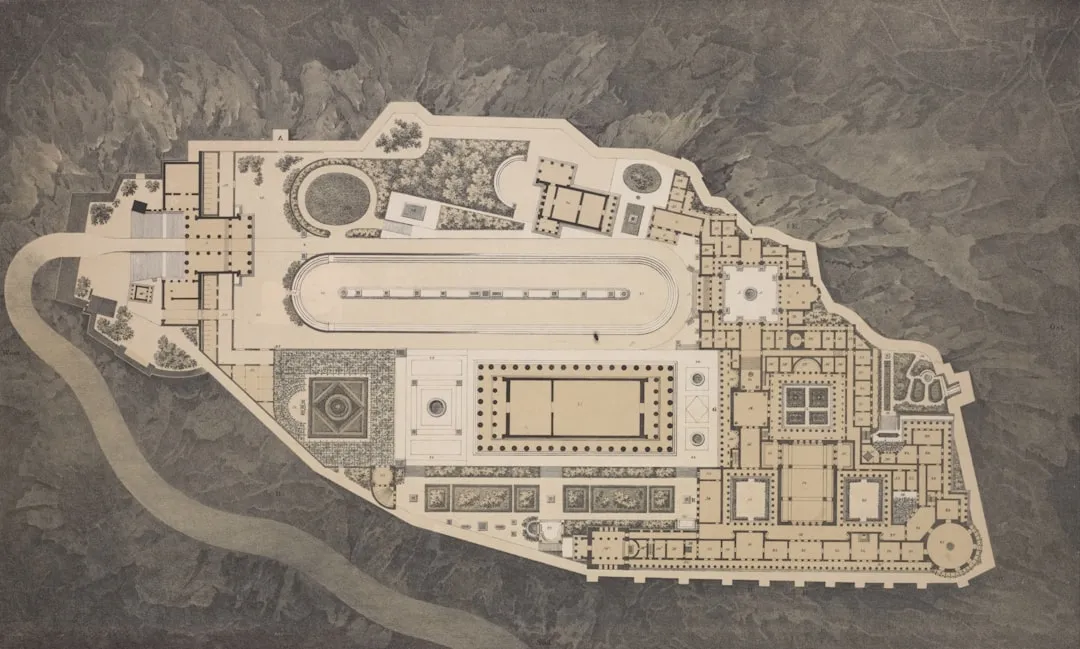
In Chinese cultural context, powerful Feng Shui rules connect home arrangement with cosmic harmony between Heaven, Earth, and Humanity. The practice reflects the philosophical principle that human dwellings should mirror natural order, with rooms oriented to receive beneficial energies and avoid harmful influences. This cultural approach views homes as microcosms of the universe where proper alignment supports harmonious living.
The cultural significance extends to the concept of "Feng" (wind) representing invisible energies and "Shui" (water) representing visible forms. Powerful rules balance these complementary aspects, creating environments where energy flows smoothly like wind and collects beneficially like water. This metaphorical understanding guides practical applications, from furniture placement to color selection.
Feng Shui rules also incorporate the Yin-Yang principle, ensuring homes contain both active (Yang) and restful (Yin) areas. Living rooms and kitchens typically emphasize Yang energy for social interaction and activity, while bedrooms and meditation spaces emphasize Yin energy for restoration and privacy. This cultural balance recognizes that homes should support all aspects of human experience.
Practical Interpretation
In practical application, the most powerful Feng Shui rules transform how spaces feel and function. Decluttering represents a simple yet profoundly effective rule, removing stagnant energy that blocks Qi flow. Regular clearing of unused items, especially near entrances and in corners, immediately improves energy circulation and mental clarity throughout the home.
Proper lighting constitutes another powerful practical rule, ensuring adequate natural light during daytime and warm, layered artificial lighting at night. Bright, cheerful entryways welcome positive energy, while soft bedroom lighting supports relaxation. Lighting placement follows the principle of illuminating dark corners where energy might stagnate while avoiding harsh glare that creates energetic discomfort.
The rule of repairing broken items holds significant practical power. Cracked windows, leaking faucets, malfunctioning appliances, and damaged furniture symbolically and energetically represent "leaking" prosperity and wellbeing. Prompt repairs prevent energy drainage and demonstrate respect for one's living environment, fostering an atmosphere of care and abundance.
Insights
- The most powerful Feng Shui rules work synergistically rather than in isolation
- Consistency in application matters more than perfection in individual elements
- Personal intuition should guide rule adaptation to specific home layouts and needs
- Small, consistent improvements often create more impact than major one-time changes
- The rules function as guidelines for conscious living rather than rigid prescriptions
- Energy sensitivity develops with practice, enhancing rule application effectiveness
- Cultural principles provide foundation, but practical adaptation ensures relevance
Conclusion
The most powerful Feng Shui rules for a home create environments where energy flows harmoniously, supporting inhabitants' health, relationships, and aspirations. By applying principles of spatial arrangement, elemental balance, and cosmic alignment, these guidelines transform ordinary houses into nurturing homes. The true power lies not in superstitious ritual but in conscious creation of living spaces that reflect natural harmony and support human flourishing. As both an ancient art and practical science, Feng Shui offers timeless wisdom for making homes into true sanctuaries that nourish body, mind, and spirit through intentional design and mindful arrangement.