Modern residential architecture often prioritizes efficiency, aesthetics, and cost over the subtle energetic principles that have guided harmonious living for millennia. While contemporary homes offer unprecedented comfort and convenience, their design can inadvertently create environments that disrupt natural energy flow, or Qi. This disruption can manifest as feelings of unease, stagnation, or imbalance for the occupants. This article explores the most prevalent Feng Shui challenges found in today's dwellings, examining them through the lens of classical theory and modern environmental psychology to provide a holistic understanding of how our spaces shape our well-being.
Core Concept
At its heart, Feng Shui is the art and science of arranging living spaces to create harmony between the individual and their environment. It operates on the principle that the physical world is permeated by Qi, a vital life force that should flow smoothly and gently, like a meandering stream. The goal is to cultivate spaces where this energy can nourish and support the inhabitants rather than become blocked, chaotic, or draining. In modern contexts, common problems arise when architectural features or interior layouts create sharp, fast, or stagnant energy patterns. For instance, a long, straight hallway can accelerate Qi like a wind tunnel, while a cluttered, windowless room can trap and stagnate it. These energetic conditions are not merely abstract concepts; they are felt intuitively as discomfort, stress, or a lack of vitality in daily life.
Traditional Feng Shui Perspective
From a classical standpoint, modern homes often violate fundamental principles of spatial harmony. The ideal environment balances Yin (passive, receptive, quiet) and Yang (active, expansive, bright) energies, but contemporary design frequently leans too heavily toward Yang. A primary concern is the disruption of Qi flow. The traditional preference is for Qi to enter a home through a welcoming main door and then meander gently through the space, lingering in key areas like the living room and bedroom. Many modern open-plan layouts, however, allow Qi to rush in and sweep unimpeded across the entire floor, failing to gather and nourish specific functions. This is akin to living in a space with constant drafts. Furthermore, the emphasis on hard, straight lines in architecture—sharp corners, long corridors, and rectangular grids—creates "poison arrows" or "secret arrows," which are believed to project cutting, hostile energy toward occupants. The Five Elements theory also highlights imbalances. An over-reliance on Metal (appliances, steel frames, chrome) and Fire (excessive lighting, electronics, red color schemes) can create an environment that feels overly stimulating and harsh, depleting the nurturing qualities of Earth and Wood. The symbolism of layout is compromised when key areas like the bedroom are placed directly above a garage (a void) or when the stove faces directly opposite the refrigerator (Fire opposing Water), creating elemental conflict within the home's energetic map.
Modern Interpretation
Through the lens of environmental psychology, these classical problems translate into measurable impacts on mood, behavior, and cognitive function. The principles of Feng Shui find resonance in modern studies on how space influences the human psyche. The fast, chaotic Qi of an open-plan home with no defined areas can correlate with difficulty concentrating, a lack of privacy, and increased stress, as the brain struggles to find restful focal points in a visually busy environment. The "secret arrows" of sharp corners and long hallways align with the psychological discomfort caused by looming structures and forced perspectives, which can trigger subtle anxiety. A bedroom situated above a garage may suffer from subsonic vibrations and temperature fluctuations, leading to disturbed sleep—a very practical consequence of an "energetic void." The imbalance of elements also has a clear modern meaning. An overabundance of Metal and Fire elements, seen in minimalist, tech-heavy rooms with cool lighting, can feel sterile and emotionally cold, inhibiting relaxation and social connection. Conversely, a lack of the Wood element (plants, vertical lines, living materials) reduces a sense of growth and vitality. Clutter, a universal Feng Shui problem, is now understood to overwhelm the visual cortex, drain mental energy, and increase cortisol levels, directly linking stagnant Qi to physiological stress. Thus, the modern interpretation validates that harmonious spatial design is not superstition but a framework for creating supportive, human-centric environments.
Insights
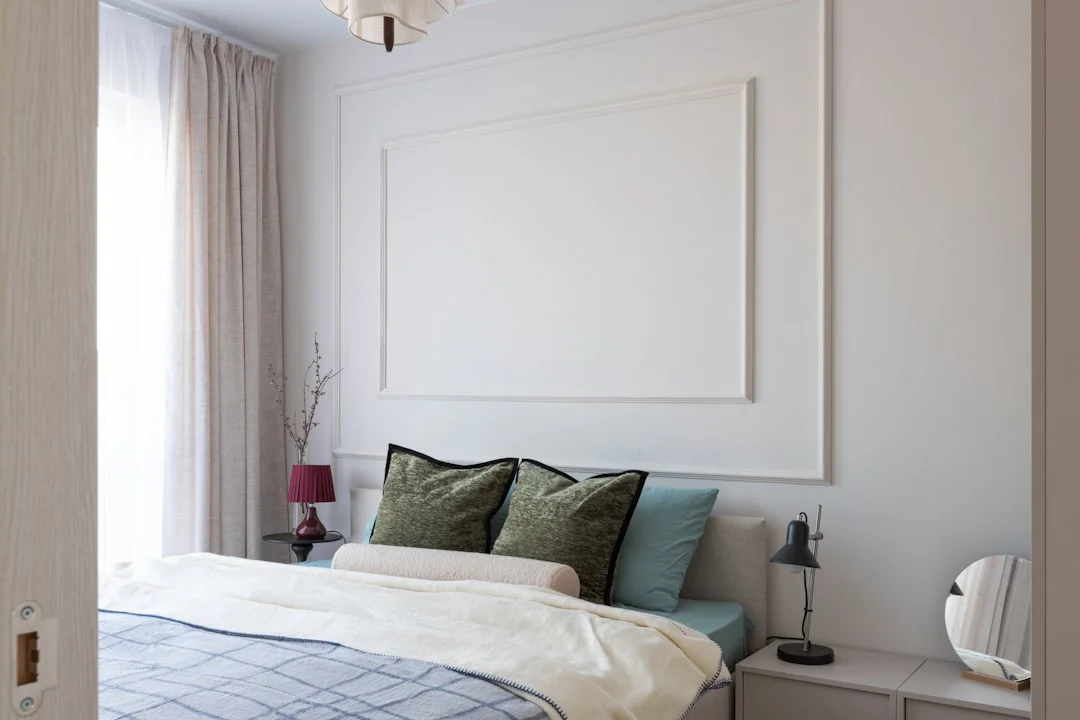
- Positioning your bed so that you can see the door without being directly in line with it can subconsciously reduce nighttime anxiety and improve sleep quality by fulfilling a primal need for security.
- Introducing a living plant or a gently curved piece of furniture can effectively soften the harsh energy of a long, straight hallway, making the transition through space feel more calm and intentional.
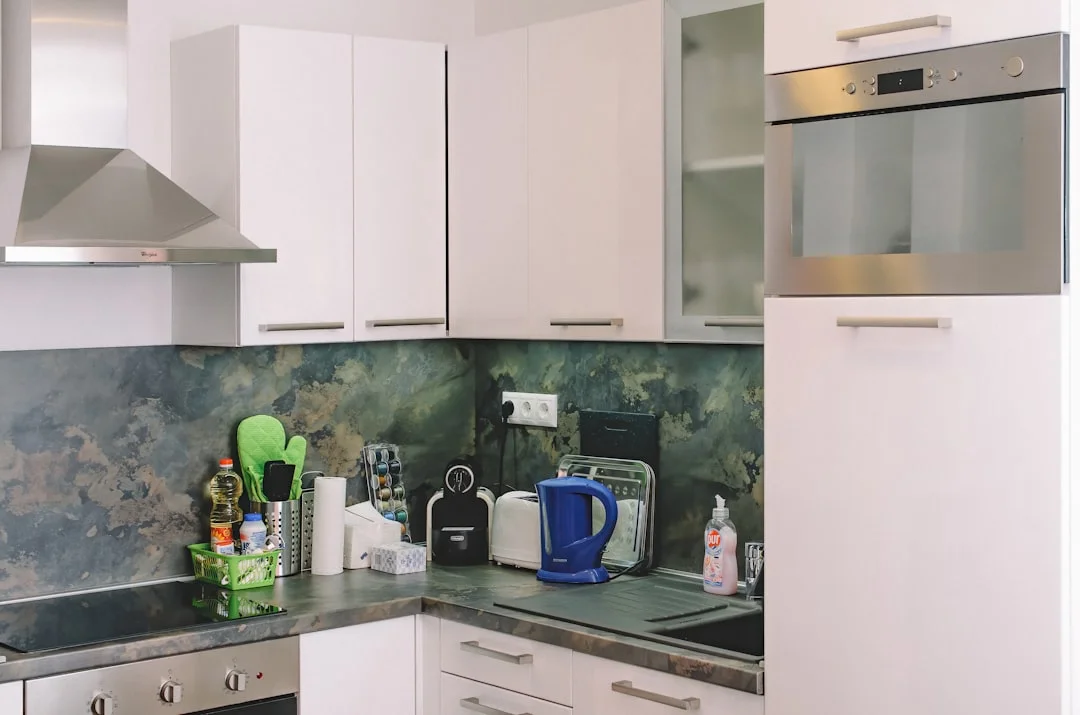
- Keeping the stove clean and in good working order directly supports the Feng Shui principle of nurturing Fire energy, which modernly translates to fostering health, nourishment, and family prosperity.
- Using area rugs, bookshelves, or screens to create subtle visual boundaries within an open floor plan helps contain and settle energy, making large spaces feel more intimate and manageable for daily life.
Conclusion
The common Feng Shui problems in modern homes are not indications of bad luck, but rather identifiable design flaws that disrupt the natural flow of energy and comfort. By understanding these issues—from the rushing Qi of open layouts and the aggressive angles of contemporary architecture to the elemental imbalances in our decor—we gain a valuable diagnostic tool for our living spaces. Blending the timeless wisdom of Yin-Yang balance, Qi flow, and the Five Elements with the insights of environmental psychology allows us to move beyond mere aesthetics. It empowers us to intentionally craft homes that do not just house us, but actively support our well-being, focus, and peace. The goal is to transform a modern dwelling from a collection of rooms into a true sanctuary that resonates with harmony and vitality.