Natural light is far more than a simple utility in Feng Shui; it is considered the primary carrier of Yang energy and a vital manifestation of celestial Qi on Earth. Its presence, quality, and movement within a space directly orchestrate the flow of life force, influencing health, mood, and fortune. This article explores the profound relationship between sunlight and Feng Shui principles, examining how this dynamic element shapes environmental harmony from both classical and contemporary viewpoints.
Core Concept
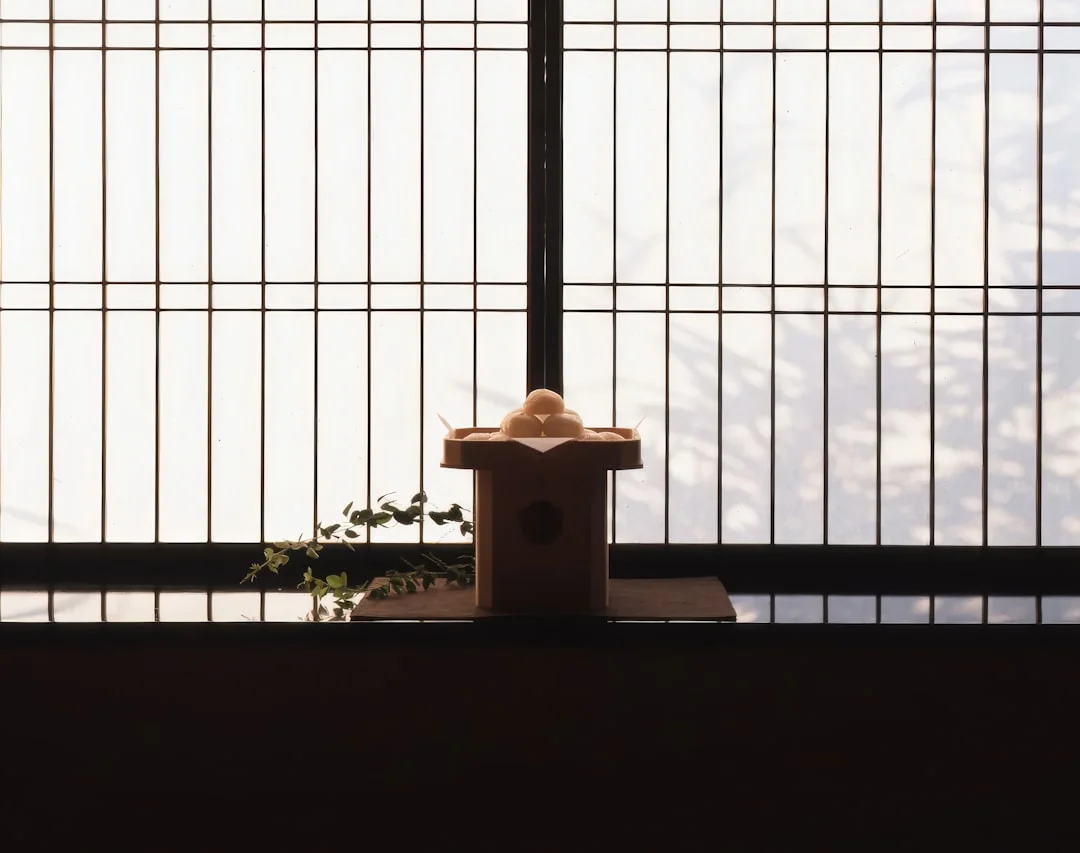
In Feng Shui, natural light is synonymous with the active, expansive, and stimulating Yang principle. It represents vitality, clarity, growth, and positive forward momentum. The quality of light entering a space directly influences the quality of Qi, or life force energy, within it. Bright, gentle, and well-distributed light is seen as nourishing "Sheng Qi," while harsh, glaring, or completely absent light can create stagnant or aggressive "Sha Qi." Light influences energy by animating a space. It defines areas, highlights textures, and creates shadows, all of which contribute to the environmental narrative. For instance, a living room bathed in the soft morning light feels inviting and energizing, promoting social interaction and activity. Conversely, a home office with a single, harsh overhead light may create a tense, draining atmosphere that stifles creativity and focus. Real-life examples include the deliberate placement of windows in traditional Chinese courtyard homes to capture the auspicious southern light while shielding from harsh northern winds, or the use of skylights in modern lofts to flood a central space with balanced, overhead Yang energy.
Traditional Feng Shui Perspective
From a classical standpoint, the management of natural light is a delicate art of balancing Yin and Yang and harmonizing the Five Elements. The Yin-Yang balance is paramount. A space with excessive, direct, and unmodulated sunlight becomes overly Yang. This can lead to restlessness, irritability, and a feeling of being "burned out." An example is a west-facing room that receives intense afternoon sun, often associated with excessive Fire energy. Conversely, a dark, perpetually shadowed room is overly Yin, potentially fostering lethargy, low mood, and stagnant energy, as found in basements or interior rooms without windows. Ideal Feng Shui seeks the "Bright Hall" effect—a space that is well-lit but not glaring, where light feels alive and gentle. The interaction with the Five Elements is also critical. Natural light itself is associated with the Fire element due to its warmth and dynamism. However, the way light interacts with materials activates other elements. Sunlight streaming through wooden blinds brings in the Wood element (growth). Light reflecting off a metallic surface amplifies Metal energy (precision). Light being absorbed by a dark, watery-blue wall enhances the Water element (calm). The goal is to use light to nourish a beneficial elemental cycle within a room. For example, in a study (Wood element for growth), allowing gentle morning light (Fire) to enter "feeds" the Wood, creating an environment conducive to learning and new ideas. Qi flow and spatial harmony are directly visible through light. The path of sunlight across a floor throughout the day charts the movement of Qi. A long, narrow corridor that is dark will have stagnant Qi, but a strategically placed mirror or light-colored paint to reflect available light can help "lift" the energy. The symbolism of direction is key: the South, associated with fame and reputation, benefits from strong, vibrant light. The East, connected to health and family, thrives under the soft, renewing light of dawn. Structure, such as window placement and size, should invite light in a way that allows it to penetrate deeply into a room, eliminating dark, "dead" corners where Qi can stagnate.
Modern Interpretation
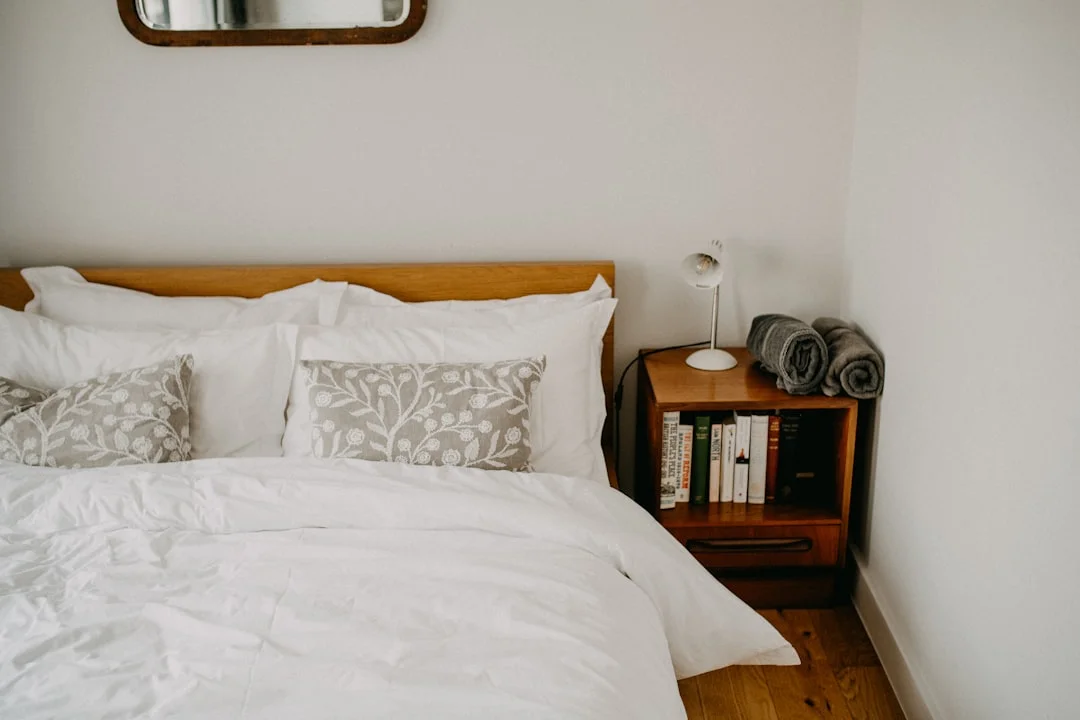
Modern environmental psychology and design principles echo these ancient observations, providing a scientific and experiential framework for understanding light's impact. The psychological impact of space is profoundly tied to light exposure. Ample natural light regulates circadian rhythms, boosting serotonin production and improving overall mood, sleep quality, and alertness. A dark, dimly lit environment can contribute to feelings of depression and fatigue, validating the Feng Shui concern for overly Yin spaces. The quality of light—its color temperature and intensity—directly affects cognitive function and emotional state. Cool, bright light enhances concentration, while warm, dim light promotes relaxation. This directly influences productivity, stress, and lifestyle. In a work-from-home setting, a desk positioned to receive indirect natural light can reduce eye strain and mental fatigue, enhancing sustained productivity—a modern reflection of balanced Qi. In a bedroom, the ability to block out light for sleep (Yin) and welcome it gently upon waking (Yang) supports a healthy stress cycle. The practical meaning is clear: designing with light is designing for human well-being. Open floor plans, for instance, often seek to maximize cross-light, preventing energy stagnation in central areas, much like Feng Shui advises against cluttered, dark center points in a home. The modern desire for "connection to the outdoors" through large windows is a direct pursuit of harmonious Qi flow between the interior and the natural world.
Insights
- Strategically use window treatments like sheer curtains or adjustable blinds to diffuse harsh direct sunlight, transforming aggressive Yang energy into nourishing and balanced illumination.
- Place mirrors on walls perpendicular to windows, not directly opposite them, to gently bounce light deeper into a room and activate stagnant corners without creating glare.
- Prioritize allowing the soft, rising light of the east into bedrooms and breakfast areas to naturally support renewal and gentle energizing at the start of the day.
- Balance a room with strong southern exposure by incorporating calming Water and Earth element colors, such as soft blues or gentle taupes, to prevent an overheating of Fire energy.
- Regularly clean windows and ensure outdoor foliage is trimmed to allow for the maximum entry of clear, unobstructed light, which is synonymous with inviting fresh, vibrant Qi indoors.
Conclusion
Natural light serves as the most dynamic and essential tool in shaping the Feng Shui of any space. It is the physical expression of Yang, the animator of Qi, and a bridge between the celestial and the domestic. The traditional principles of Yin-Yang balance and Five Elements theory provide a timeless map for harnessing light's power, guiding us to create environments that avoid extremes of brightness or darkness. Modern understanding, through the lens of environmental psychology, confirms the profound impact of these principles on our mental and physical well-being. Ultimately, mastering the Feng Shui of natural light is not about rigid rules, but about cultivating a mindful relationship with this ever-changing resource to foster spaces that are truly alive, harmonious, and supportive of those who inhabit them.