The feeling of discomfort in your own home can be subtle yet persistent. You might experience restless sleep, a lack of motivation, or constant low-grade tension without a clear source. In the framework of Feng Shui, these sensations often point to stagnant, chaotic, or draining energy patterns within your living space. The good news is that you do not need a major renovation to initiate positive change. By understanding a few core principles and applying swift, intentional adjustments, you can significantly improve the energy flow and restore a sense of harmony to your environment.
Core Concept
At its heart, Feng Shui is the art of arranging your living space to create harmony with the natural world. It operates on the principle that our environments are alive with an invisible life force called Qi, which flows through everything. This energy should move in a gentle, meandering manner, like a calm river, nourishing every corner of your home. When Qi becomes blocked, too fast, or too slow, it creates "bad Feng Shui," manifesting as clutter, dark corners, sharp angles, or dysfunctional layouts. A space with poor Feng Shui often has identifiable characteristics. A main door that opens directly into a back door or window allows Qi to rush straight through without pausing to benefit the home. Piles of clutter, especially in closets or under beds, represent stagnant energy and unfinished business. A bed positioned so that you sleep with your feet pointing directly out the door, known as the "coffin position," can subconsciously create anxiety. Dark, unused rooms or hallways become pockets of dead energy that affect the entire home's vitality. These are not superstitious notions but observations of how spatial arrangements influence our subconscious perception of safety and well-being.
Traditional Feng Shui Perspective
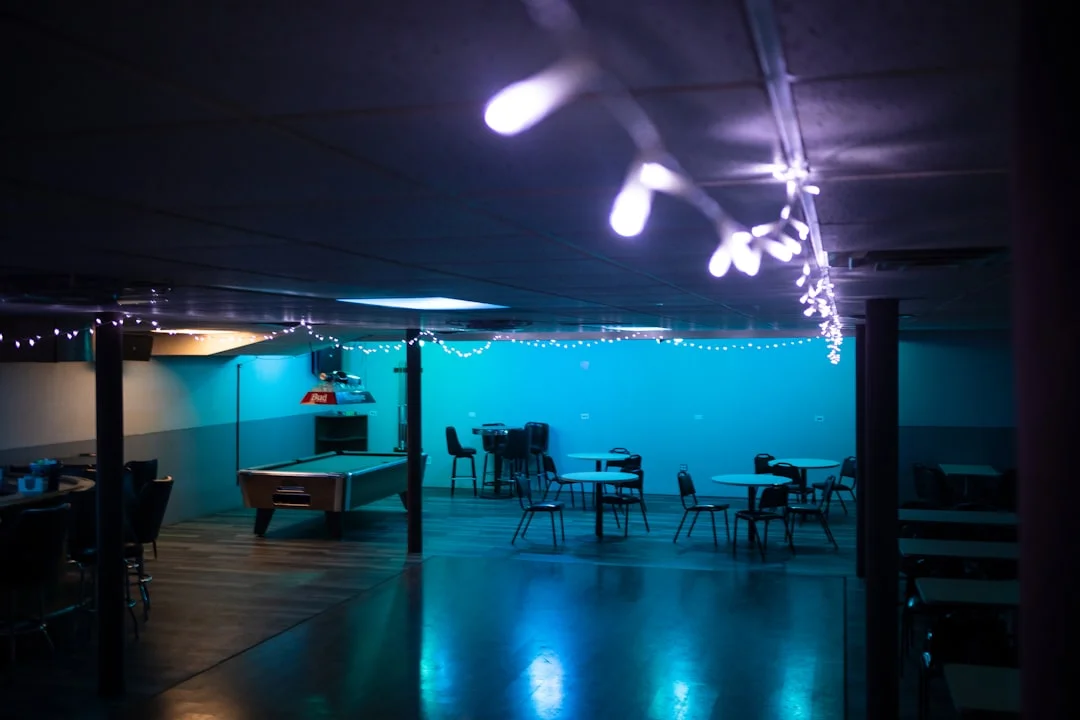
From a classical viewpoint, correcting bad Feng Shui is an exercise in restoring fundamental balances. The first balance is between Yin and Yang. Yin energy is passive, dark, cool, and quiet, while Yang is active, bright, warm, and loud. A healthy home needs both. A room that is too Yang—with excessive bright light, loud colors, and constant activity—can lead to stress and burnout. A room too Yin—dim, cold, and silent—can foster depression and lethargy. Quick fixes involve introducing the opposite element: add a soft lamp and a throw blanket to an overly Yang office, or open the curtains and play music in a gloomy Yin living room. The Five Elements theory provides another powerful toolkit. Wood, Fire, Earth, Metal, and Water interact in cycles of creation and reduction. An imbalance of elements can disrupt Qi. For instance, a kitchen with an overabundance of Fire element (red walls, triangular shapes, the stove itself) can lead to irritability. Introducing the Water element (a black or deep blue accent, a small fountain, or wavy shapes) can symbolically calm the flames. A space feeling rigid and cold (too much Metal) can be softened by adding Earth (sandy colors, ceramic pots) or Wood (plants, wooden furniture) to foster warmth and growth. The flow of Qi is paramount. The ancient practice emphasizes the "Ming Tang" or bright hall—the clear, open space just inside your main entrance. This area acts as the lungs of your home, where Qi gathers before circulating. Cluttering this space with shoes, coats, or furniture immediately chokes the energy entering. Simply clearing this zone is one of the fastest remedies. Furthermore, ensuring that furniture, especially beds and desks, are in a "commanding position"—where you can see the door without being directly in line with it—addresses a primal need for security and command over one's environment, allowing beneficial Qi to reach you unimpeded.
Modern Interpretation
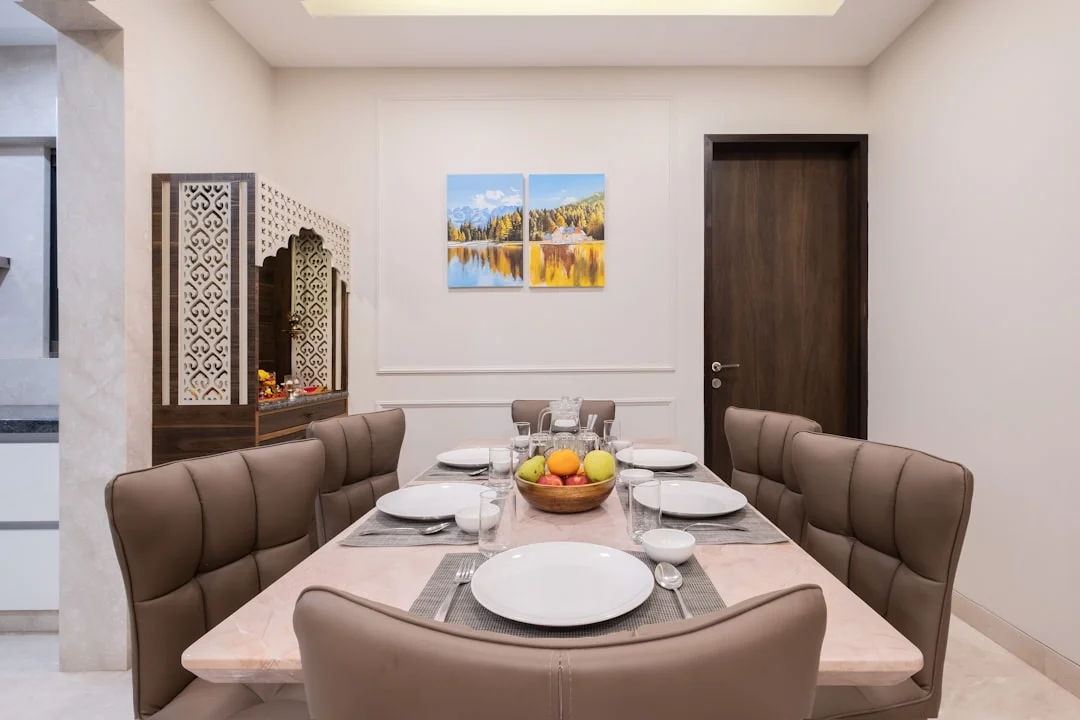
Contemporary environmental psychology and design principles often arrive at the same conclusions as ancient Feng Shui, albeit with different terminology. What is called "Qi flow" translates to air quality, natural light circulation, and clear, navigable pathways. A cluttered, blocked entryway doesn't just trap "bad energy"; it creates a stressful first impression, reduces available light, and can even pose a tripping hazard, setting a tense tone for your entire return home. The impact of space on mood and behavior is well-documented. A dark hallway (stagnant Qi) can trigger a minor subconscious threat response, raising cortisol levels. Positioning your desk facing a wall (a poor commanding position) can increase feelings of isolation and vulnerability, hampering productivity. Conversely, a clean, organized bedroom with a solid wall behind the bed supports deeper sleep by reducing subconscious anxiety. The modern interpretation focuses on how spatial design directly influences cognitive function, emotional regulation, and social interaction. The practical meaning is about creating environments that support your desired lifestyle. If you want a home that fosters relaxation, you reduce visual noise and incorporate soothing, natural elements. If you need a home office that boosts concentration and creativity, you manage clutter fiercely and ensure your chair has a supportive back and a view of the room. Fixing bad Feng Shui quickly is essentially a process of mindful decluttering and intentional placement, using your space to visually and psychologically reinforce your goals rather than undermine them.
Insights
- Immediately clear the pathway from your front door inward to invite fresh energy and create a welcoming, stress-free first impression every time you enter.
- Introduce a living green plant into a stagnant corner to activate Wood element growth and literally improve air quality through natural transpiration.
- Reposition your bed and desk to face the room's entrance, which satisfies a deep-seated psychological need for security and control over your environment.
- Use a small table lamp with a warm bulb to illuminate dark areas, transforming dormant Yin spaces into gently activated Yang spaces.
- Address the Water element in your home by fixing any leaky faucets promptly, as they symbolically and literally represent the wasteful drainage of your resources.
Conclusion
Correcting bad Feng Shui swiftly is less about mystical rituals and more about applying deliberate, sensory-aware adjustments to your living space. It is the practice of becoming conscious of how your environment makes you feel and taking pragmatic steps to align it with harmony and intention. By focusing on the core principles of clear pathways, balanced elements, secure furniture placement, and the mindful management of light and clutter, you can transform the energy of your home. This process creates a tangible foundation for improved well-being, proving that our surroundings are not just a backdrop to our lives but an active participant in shaping our daily experience.