In the intricate system of Feng Shui, color is far more than a decorative choice; it is a potent language of energy. Each hue vibrates with a specific frequency that directly interacts with the Qi, or life force, circulating within a space. By understanding this chromatic language, we can intentionally select colors to nurture, stimulate, or calm the energy of our environments. This practice aligns with the fundamental principles of Yin-Yang balance and the Five Elements, creating spaces that support our well-being, aspirations, and harmony with the natural world.
Core Concept
At its heart, the Feng Shui use of color is an application of the Five Elements theory. This ancient framework categorizes all phenomena—including colors, shapes, materials, and compass directions—into five fundamental energies: Wood, Fire, Earth, Metal, and Water. Each element possesses a characteristic color spectrum and governs specific aspects of life. When we introduce a color into a space, we are effectively introducing the energy of its corresponding element. This influences the flow of Qi, which in turn affects the mood, behavior, and fortune of the occupants. For instance, the color green, representing the Wood element, is associated with growth, vitality, and new beginnings. A room painted in soft greens can foster a sense of renewal and calm expansion, making it ideal for a home office or a family room where personal development is encouraged. Conversely, an overabundance of red, the color of the Fire element, might create an environment of excessive stimulation and agitation, potentially leading to conflict or burnout in a space meant for rest. Real-life application involves balancing these elemental colors to achieve a desired energetic outcome, whether it's igniting passion in a dining area with subtle red accents or promoting clarity in a study with white and metallic tones.
Traditional Feng Shui Perspective
Classical Feng Shui approaches color through a multi-layered lens, integrating Yin-Yang theory, the Five Elements cycle, and directional correspondences. The Yin-Yang balance is crucial. Yin colors are typically deeper, cooler, and more muted—think navy blue, charcoal, or deep purple. They promote introspection, rest, and containment. Yang colors are brighter, warmer, and more vibrant, such as red, orange, and bright yellow. They generate activity, social energy, and expansion. A harmonious space requires a dance between these two forces. A bedroom, a Yin space for recovery, benefits from softer, Yin-dominant palettes, while a kitchen, a Yang space of creation, can handle more vibrant Yang colors. The Five Elements theory provides the primary framework for color symbolism and interaction. Each element both nurtures and controls another in a continuous cycle of generation and reduction.
- Wood is represented by greens and browns. It symbolizes growth, health, and family.
- Fire is represented by reds, oranges, purples, and strong yellows. It governs fame, reputation, and dynamic energy.
- Earth is represented by yellows, beiges, and earthy tones. It relates to stability, nourishment, and relationships.
- Metal is represented by whites, grays, and metallic hues. It embodies precision, clarity, and efficiency.
- Water is represented by blacks and deep blues. It connects to wisdom, career, and fluidity. The art lies in applying these colors according to the Bagua map, an energy template superimposed on a floor plan. Each section of the Bagua corresponds to a life area, a compass direction, and an element. For example, the southern area connects to the Fire element and the life aspect of fame. Enhancing this area with Fire colors (reds, purples) or the element that feeds Fire (Wood greens) can strengthen that area's influence. One would avoid overwhelming it with Water colors (blue), as Water controls Fire in the destructive cycle. Ultimately, color is a tool to guide Qi. Light, bright colors cause Qi to rise and expand, while dark, heavy colors cause it to descend and settle. Strategic use can correct imbalances, activate dormant sectors, or calm overactive ones, achieving spatial harmony.
Modern Interpretation
Contemporary environmental psychology and design principles offer a validating and accessible translation of these ancient ideas. Science confirms that color profoundly impacts human physiology and psychology, affecting heart rate, stress levels, and cognitive performance. Modern interpretation views Feng Shui colors as a form of non-verbal communication with our subconscious. A room bathed in soft blue (Water element) can literally lower pulse rates and promote a sense of calm, explaining its traditional association with tranquility and wisdom—it's ideal for a bedroom or meditation space. The energizing and appetite-stimulating qualities of red and orange (Fire element) are why they are so effective in dining and social spaces, aligning with their traditional link to passion and recognition. The impact on mood and behavior is direct. Earth tones (yellows, beiges) create a sense of groundedness and safety, reducing anxiety and fostering connection, which mirrors their traditional role in nurturing relationships. Clean whites and grays (Metal element) promote mental clarity and order, reducing visual noise and distraction, making them perfect for home offices or studios. Practically, this means we can use color intentionally to support our lifestyle goals. Instead of a generic prediction, we apply color as an environmental tool. Seeking better focus in a home office? Introduce Metal colors (white, gray) and avoid the distracting energy of excessive Fire (red). Want to make a living room more conducive to relaxed conversation? Incorporate Earth tones to foster stability and warmth. The modern approach demystifies the practice, focusing on creating environments that actively support our desired states of being—be it productive, restful, social, or creative.
Insights
- To cultivate a calming and restorative bedroom sanctuary, prioritize Yin colors like soft blues, gentle greens, or muted earth tones, which slow energy flow and support deep sleep.
- Enhance creativity and social interaction in a living or dining area by incorporating accents of the Fire element, such as coral, peach, or warm purple, to raise the energetic vibration.
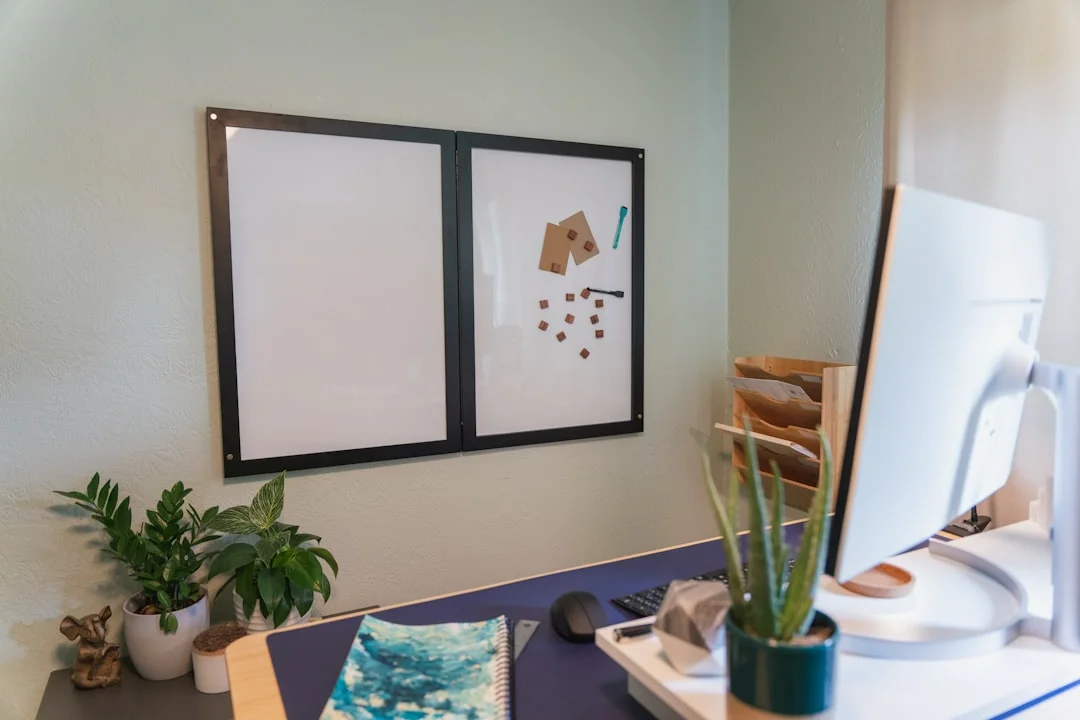
- Improve concentration and efficiency in a home office by utilizing the Metal element's colors of white, light gray, or pale metallic hues to promote mental clarity and precision.
- Strengthen the sense of stability and nourishment in your kitchen or dining nook with the Earth element's palette of sandy beige, soft yellow, or terracotta.
- Balance an overstimulating environment with too many warm, bright colors by introducing cooling Water or Metal element hues to restore a sense of calm and order.
Conclusion
Color in Feng Shui is a dynamic and intelligent system for environmental design, rooted in the observable interplay between energy, element, and human experience. By moving beyond mere aesthetic preference to understand the energetic language of hues, we gain a powerful tool for shaping our surroundings. This practice, whether viewed through classical elemental cycles or modern environmental psychology, empowers us to create intentional spaces. When we align our color choices with the natural principles of balance and flow, we design rooms that do not just look pleasing but actively contribute to our well-being, harmony, and vitality.