The ancient art of Feng Shui offers a profound system for understanding the invisible energy, or Qi, that flows through our living spaces. Mapping this energy is not about finding a mystical blueprint but about developing a conscious awareness of how your home's layout, objects, and atmosphere influence your well-being. It is a practice of environmental diagnosis, allowing you to identify areas of stagnation, imbalance, or harmonious flow. By learning to perceive and chart the Qi in your home, you move from being a passive occupant to an active participant in shaping an environment that supports your health, relationships, and aspirations. This process blends observational skill with traditional principles to create a personalized map of energetic potential.
Core Concept
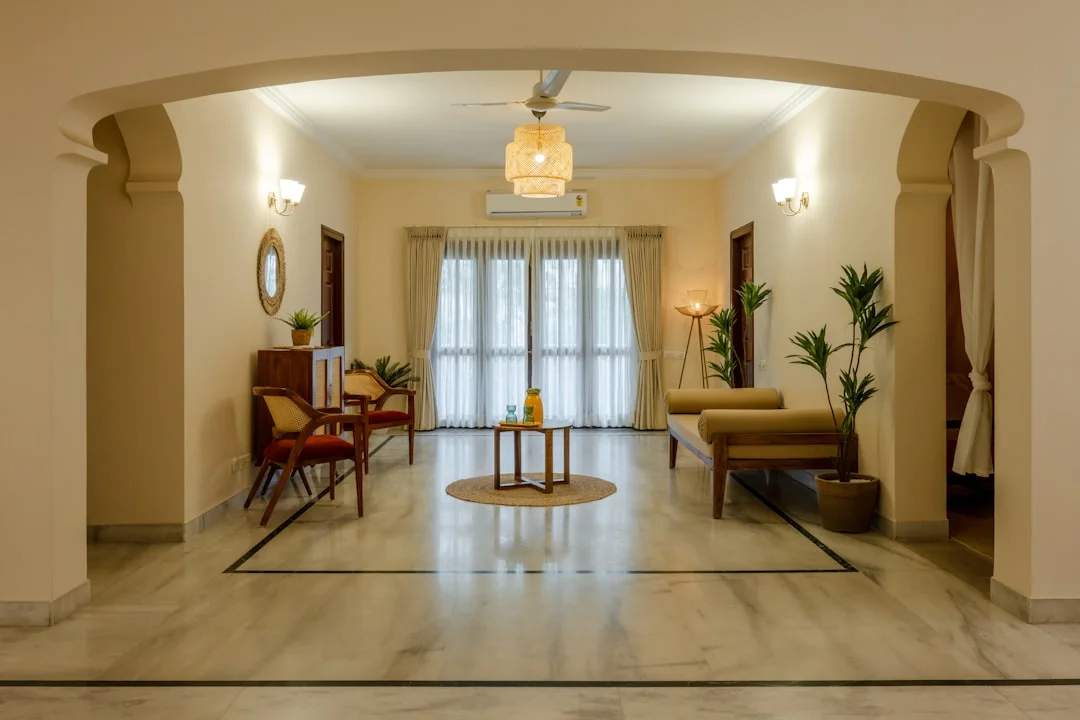
Mapping Feng Shui energy is the practice of assessing and interpreting the flow and quality of Qi within a defined space. Qi is the vital life force that circulates through all things, and in a home, it should move in a gentle, meandering manner—neither too fast nor completely stuck. This concept represents the dynamic relationship between you and your environment, where every corner, doorway, and piece of furniture contributes to an overall atmosphere. This energy directly influences your mental clarity, emotional stability, and physical vitality. Stagnant Qi in a cluttered hallway can manifest as a feeling of obstruction in your daily life, while overly rapid Qi shooting down a long, narrow corridor can create anxiety and a sense of being unsettled. The goal of mapping is to make these invisible currents visible to your perception, allowing for intentional adjustments. In real-life terms, mapping begins with simple observation. Notice where you naturally pause in a room, which corners collect dust and forgotten items, or where light and air move freely. An environment with good Qi flow feels inviting, balanced, and revitalizing, while one with poor flow may feel draining, chaotic, or oddly tense even when tidy. By consciously walking through your home with this lens, you start to draw an energetic map based on sensation and experience, not just physical dimensions.
Traditional Feng Shui Perspective
From a classical standpoint, mapping energy is a disciplined study of form, direction, and elemental interaction. The primary tool is the Bagua map, an eight-sided grid correlating areas of your home with specific life aspects, such as career, relationships, or wealth. This map is traditionally aligned with the entrance, providing a symbolic template to overlay on your floor plan. Each sector has corresponding colors, elements, and shapes that can enhance or diminish its Qi. Yin-Yang balance is crucial in this assessment. A space must have a healthy interplay of passive (Yin) and active (Yang) qualities. A bedroom that is too Yang—with bright lights, loud colors, and electronic devices—disrupts rest, while a home office that is too Yin—poorly lit and overly soft—can hinder productivity. Mapping involves identifying these imbalances in each room. The Five Elements theory further refines this map. The interactions of Wood, Fire, Earth, Metal, and Water are observed in the colors, materials, and forms present. A room dominated by the Fire element (red, triangular shapes, intense light) might create agitation if not balanced by the calming Water element (black, wavy forms, reflective surfaces). Qi flow is meticulously analyzed through the principles of "form school" Feng Shui. The layout of furniture, the alignment of doors and windows, and the presence of sharp angles or "poison arrows" are all charted. A classic example is ensuring the main entrance, the "mouth of Qi," is clear and welcoming to allow beneficial energy to enter. Bed placement is mapped for command position—diagonally opposite and facing the door without being directly in line with it—to provide a sense of security and command over one's space. Symbolism is deeply woven into this perspective; the structural features of your home are read as a landscape, with furniture representing mountains and pathways representing rivers, guiding the flow of energy.
Modern Interpretation
Today, mapping Feng Shui energy is widely understood through the lens of environmental psychology and design principles. It is a framework for creating spaces that promote psychological well-being and functional harmony. The modern interpretation focuses less on symbolic direction and more on the tangible impact of space on mood, behavior, and cognitive function. Environmental psychology confirms that our surroundings significantly affect our mental state. Mapping the energy in your home is essentially conducting an audit of environmental stressors and supports. A cluttered, disorganized space correlates with increased cortisol levels and difficulty focusing, which a Feng Shui practitioner would identify as stagnant Qi. The modern solution aligns with both: decluttering to clear mental and physical blockages. The command position for a desk or bed translates directly to reducing subconscious stress by optimizing the field of view and minimizing surprises, a concept supported by studies on environmental comfort and safety. The influence on productivity, stress, and lifestyle becomes clear through this modern filter. Mapping where you work from home might reveal your desk is in a low-energy corner, leading to procrastination. The practical meaning is to relocate to a position with better natural light and a solid wall behind you, applying principles of ergonomics and supportive design. The Five Elements become a palette for creating desired atmospheres; using Wood element items (plants, vertical lines) in a home office can foster growth and flexibility, while Earth element tones (soft yellows, squares) in a dining area can promote stability and nourishment during meals. The modern goal is not to attract luck but to design an intentional environment that removes obstacles to your natural vitality and peace of mind.
Insights
- To map the energy flow in a hallway, observe if air and light move freely and remove any obstructions that cause a rushed or blocked sensation.
- Place your bed or desk in a command position, facing the door while not directly in its path, to cultivate a subconscious sense of security and control.
- Balance the Five Elements in your living room by introducing a plant (Wood) near a metal lamp (Metal) to create a cycle of constructive energy.
- Identify areas of stagnant Qi by locating cluttered corners or unused spaces and activate them with movement, light, or a meaningful object.
- Assess the Yin-Yang balance in your kitchen by ensuring active cooking areas (Yang) are balanced with a tidy, organized pantry (Yin).
Conclusion
Mapping the Feng Shui energy in your home is ultimately a practice of mindful observation and intentional design. It bridges ancient wisdom with contemporary understanding, providing a structured method to evaluate how your living space affects your daily life. This process empowers you to move beyond aesthetics alone and consider the functional and energetic quality of each room. By identifying areas of imbalance and applying principles of flow, balance, and elemental interaction, you craft an environment that actively supports your well-being. The resulting map is not static but a dynamic guide for creating a home that feels both nurturing and inspiring, a true sanctuary for its inhabitants.