The integration of plants into a living space is a practice as ancient as civilization itself, yet its significance extends far beyond mere decoration. From the perspective of Chinese environmental culture and traditional Feng Shui, plants are dynamic conduits of life force, actively shaping the invisible currents of energy within a home. They are not passive objects but active participants in creating spatial harmony. This article explores how botanical elements function as vital tools for enhancing home energy, balancing environmental forces, and fostering well-being, weaving together classical theories with contemporary understandings of environmental psychology.
Core Concept
In Feng Shui, a home is viewed as a living organism with its own energy field, known as Qi. This Qi can become stagnant, chaotic, or depleted, leading to an environment that feels uncomfortable or draining. Plants represent the Wood element, which embodies growth, vitality, flexibility, and upward movement. Their primary function is to gently stimulate and guide the flow of Qi, preventing stagnation in corners or long, straight corridors. They act as natural air purifiers and humidifiers, subtly changing the physical quality of the air, which is the very medium through which Qi travels. A simple real-life example is a dark, unused corner that accumulates clutter and feels energetically "dead." Placing a healthy, vibrant plant in that corner introduces living Wood energy, breaking the stagnation and inviting fresh Qi to circulate. Similarly, a row of plants can soften the harsh line of a long hallway, slowing down and meandering the Qi flow to create a more gentle and welcoming passage. In any environment, plants introduce a soft, organic texture that counteracts the hard, linear energy of modern architecture and furniture.
Traditional Feng Shui Perspective
The classical Feng Shui approach to using plants is nuanced, governed by the principles of Yin-Yang balance and the productive cycles of the Five Elements. Yin-Yang Balance: Plants themselves possess both Yin and Yang qualities. Lush, broad-leafed plants (like a Rubber Plant) are considered more Yin—calming, nurturing, and grounding. Spiky, upward-thrusting plants (like a Snake Plant) or flowering plants carry more Yang energy—activating, protective, and energizing. A balanced space requires both. A room overloaded with Yang energy from electronics and bright light benefits from the softening Yin of a large, leafy plant. A dim, quiet study might need the gentle Yang uplift of a flowering orchid. Five Elements Interactions: As the Wood element, plants have specific relationships with the other elements. Wood feeds Fire (candles, lighting), is controlled by Metal (metal frames, white colors), and can weaken Earth (sandy colors, square shapes) if overused. A skilled application considers these interactions. For instance, placing a plant (Wood) in the southern area of a home (associated with Fire) strengthens that sector's energy through the Wood-feeds-Fire cycle. Conversely, too many plants in the center of the home (Earth element area) could create an unbalanced, weakening effect. Qi Flow and Spatial Harmony: Plants are masterful tools for remedying Sha Qi, or harmful energy. They can block or deflect negative energy from sharp corners, known as "poison arrows," or from long, straight paths. A bushy plant placed in front of a sharp corner of a bookshelf absorbs and disperses this aggressive energy. Their organic shapes also help to "meander" Qi, encouraging it to linger and nourish a space rather than rushing straight through. Furthermore, the symbolism is potent; healthy, thriving plants are a direct indicator of strong, vibrant Qi in the home, while sickly or dying plants signal depleted energy and must be cared for or removed.
Modern Interpretation
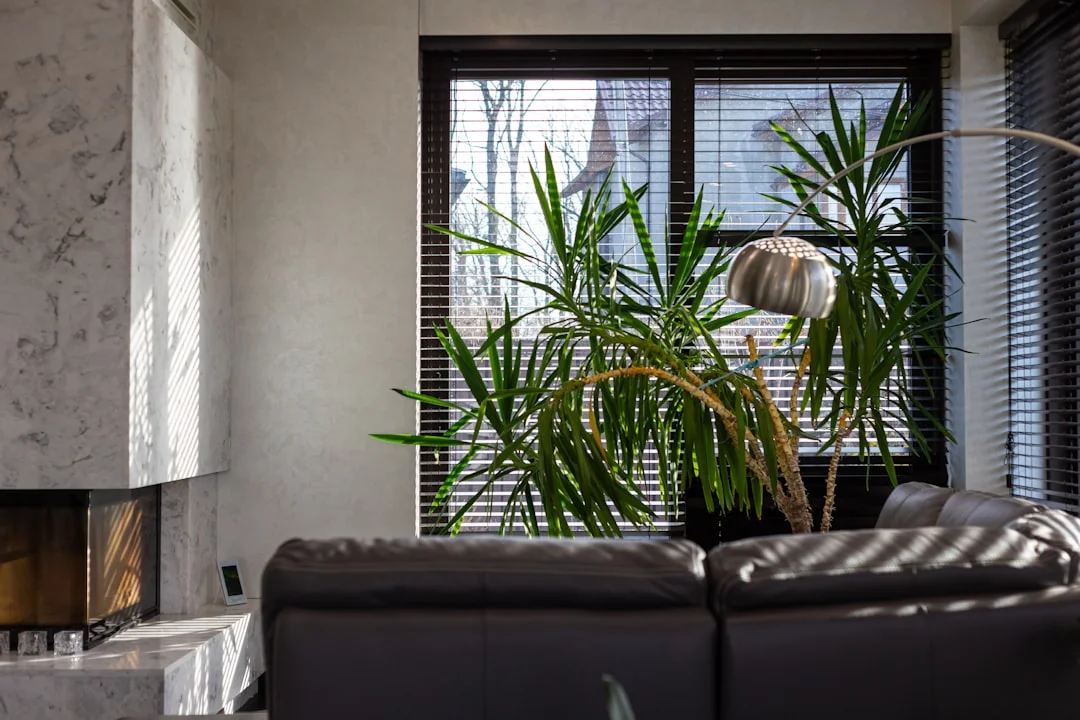
Contemporary environmental psychology and design principles echo these ancient insights, providing a scientific and experiential framework for understanding plants' impact. Environmental Psychology: Studies consistently show that the presence of plants reduces psychological and physiological stress. They lower blood pressure, reduce feelings of anxiety, and enhance concentration. This aligns perfectly with the Feng Shui goal of creating a *nourishing* Qi environment. The simple act of caring for a plant fosters mindfulness and a connection to natural cycles, countering the digital detachment of modern life. Impact on Mood and Behavior: A room with plants is perceived as more welcoming, relaxed, and vibrant. This influences behavior, making social interactions more likely and more positive in such spaces. The improved air quality, through the removal of volatile organic compounds and increased humidity, leads to better cognitive function and reduced fatigue. In a home office, this translates directly to enhanced focus and productivity. Practical Real-Life Meaning: Beyond theory, plants serve highly practical functions. They act as natural room dividers in open-plan living areas, defining spaces without building walls. They improve acoustics by absorbing sound. They bring a sense of seasonal change and natural beauty indoors, grounding inhabitants in the rhythm of the natural world. Ultimately, they transform a house from a static shelter into a dynamic, living ecosystem that actively contributes to the residents' well-being.
Insights
- Strategically place a tall, healthy plant in a dark corner to disrupt stagnant energy and invite a fresh, vibrant flow of Qi into neglected areas of your home.
- Balance the sharp angles and electronic clutter in your living room by introducing the soft, Yin energy of a large-leafed plant like a Monstera or a Peace Lily.
- Enhance creativity and personal growth by positioning a vibrant green plant in the eastern sector of your home, which is traditionally associated with the Wood element and family health.
- Improve air quality and focus in your home office by selecting plants like the Snake Plant or Spider Plant, which are known for their air-purifying properties and protective Yang energy.
- Avoid placing large, woody plants or excessive greenery in the center of your home, as this can overwhelm the Earth element associated with that area and create instability.
Conclusion
Plants are far more than decorative accessories; they are fundamental instruments for cultivating positive home energy. Through the lens of Feng Shui, they masterfully manipulate Qi, balance Yin and Yang, and engage in the dynamic dance of the Five Elements. Modern science affirms their role in reducing stress, purifying air, and enhancing cognitive function. By mindfully selecting and positioning plants, we engage in an ancient practice of environmental harmony, actively shaping our living spaces into sanctuaries that support, nurture, and energize our daily lives. The ultimate goal is a symbiotic relationship where a thriving home environment fosters thriving inhabitants.