The entrance of a home, known as the "Mouth of Qi" in Feng Shui, is the primary portal through which energy, opportunities, and first impressions flow. It sets the tone for the entire living environment. While many factors contribute to a harmonious entryway, lighting is a uniquely powerful and adjustable tool. Strategic illumination does more than just prevent stumbling in the dark; it actively shapes the quality of energy entering the home, balances environmental forces, and creates a psychological bridge between the outer world and inner sanctuary. This article explores how the thoughtful application of light can transform an entrance from a mere passage into a curated space of welcome and vibrant potential.
Core Concept
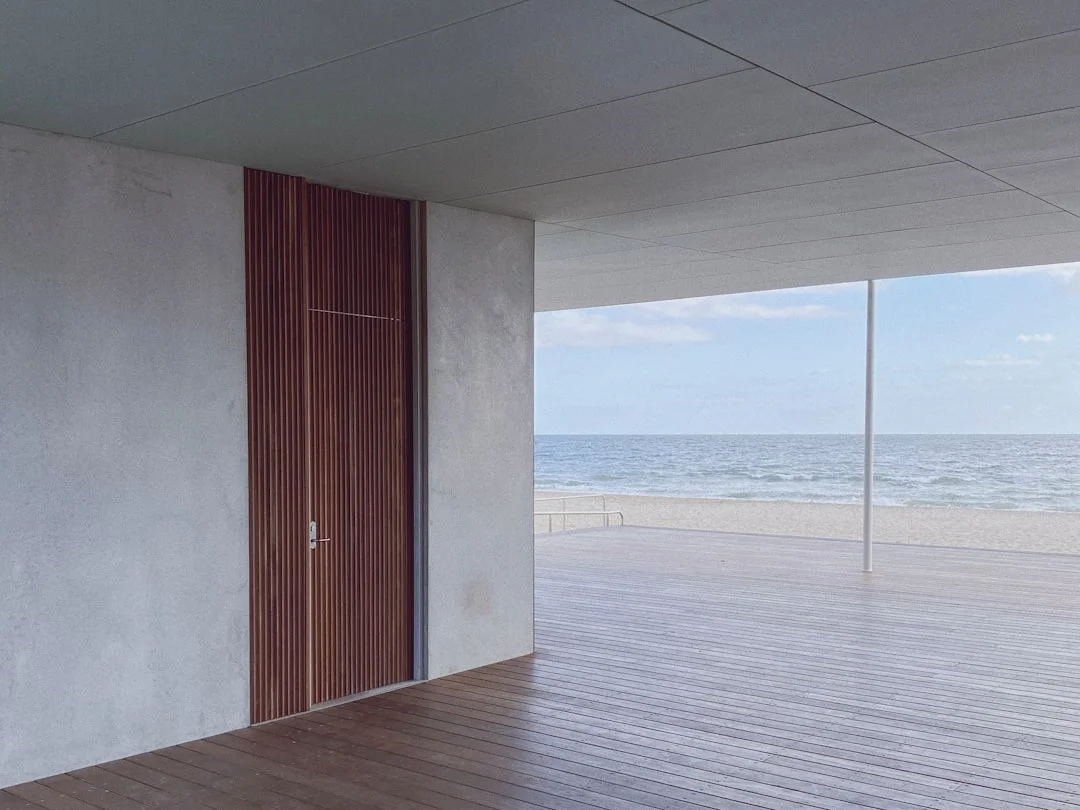
In Feng Shui, the entrance is the critical interface where external Qi is gathered and directed into the interior spaces of a dwelling. It represents new beginnings, opportunities, and how the world engages with the private life within. The energy here should be bright, inviting, and flowing smoothly, avoiding any stagnation or harshness. Lighting directly influences this energy by its ability to attract, activate, and guide Qi. A well-lit entrance acts as a beacon, drawing positive opportunities toward the home. It clarifies the path forward, both literally and metaphorically, ensuring energy moves inward with purpose instead of dispersing or becoming stuck. Conversely, a dim or harshly lit entry can create an energy "block," making the transition into the home feel abrupt, unwelcoming, or chaotic. Real-life examples illustrate this clearly. Consider a recessed or shadowy front door; it often feels foreboding and may subconsciously discourage entry, symbolically repelling energy. An entrance blasted with a single, glaring overhead bulb creates a harsh, unbalanced energy that feels interrogative rather than inviting. In contrast, an entry illuminated by a balanced combination of ambient and accent lighting, perhaps from a beautiful lantern and a softly lit path, feels consciously prepared for arrival, fostering a sense of ease and anticipation.
Traditional Feng Shui Perspective
From a classical standpoint, lighting at the entrance is a masterful tool for manipulating fundamental principles: Yin-Yang balance, the Five Elements, and the conscious guidance of Qi. The primary goal is to achieve a harmonious Yin-Yang balance. The entrance is a Yang space—it should be active, bright, and defined to properly receive energy. However, pure Yang (excessive brightness, glare) is aggressive. Therefore, lighting must incorporate Yin qualities (softness, diffusion, warmth) to create a balanced, welcoming Yang. A single, stark bulb is overly Yang. Layered lighting—combining an overhead fixture (Yang) with softer wall sconces or pathway lights (Yin-infused Yang)—creates a dynamic equilibrium that is both energizing and comforting. Five Elements theory is deeply engaged through lighting. The Fire Element is most directly represented by the light source itself, bringing warmth, fame, and social energy. The design and material of the light fixture introduce other elements: a wooden lantern (Wood), a metal sconce (Metal), a ceramic base (Earth), or a fixture with flowing lines or blue glass (Water). A balanced fixture might combine metals (Metal) with glass (which contains Water and Fire), or wood with a fabric shade (Earth and Fire). The color temperature of the light is also crucial: warm white or amber light strengthens the Fire and Earth elements, promoting warmth and stability, while cool white light enhances Metal and Water, which can be less nurturing for an entry. Qi flow and spatial harmony are directly managed. Lighting should clearly illuminate the door itself and the immediate path to it, leaving no dark corners where Qi can stagnate. The light should guide the eye and energy inward, not outward. For example, an exterior light should shine downward onto the entry area, grounding the energy, rather than shooting beams upward or outward, which scatters Qi. Inside, the foyer light should illuminate the next logical path into the home, ensuring a smooth transition for both people and energy.
Modern Interpretation
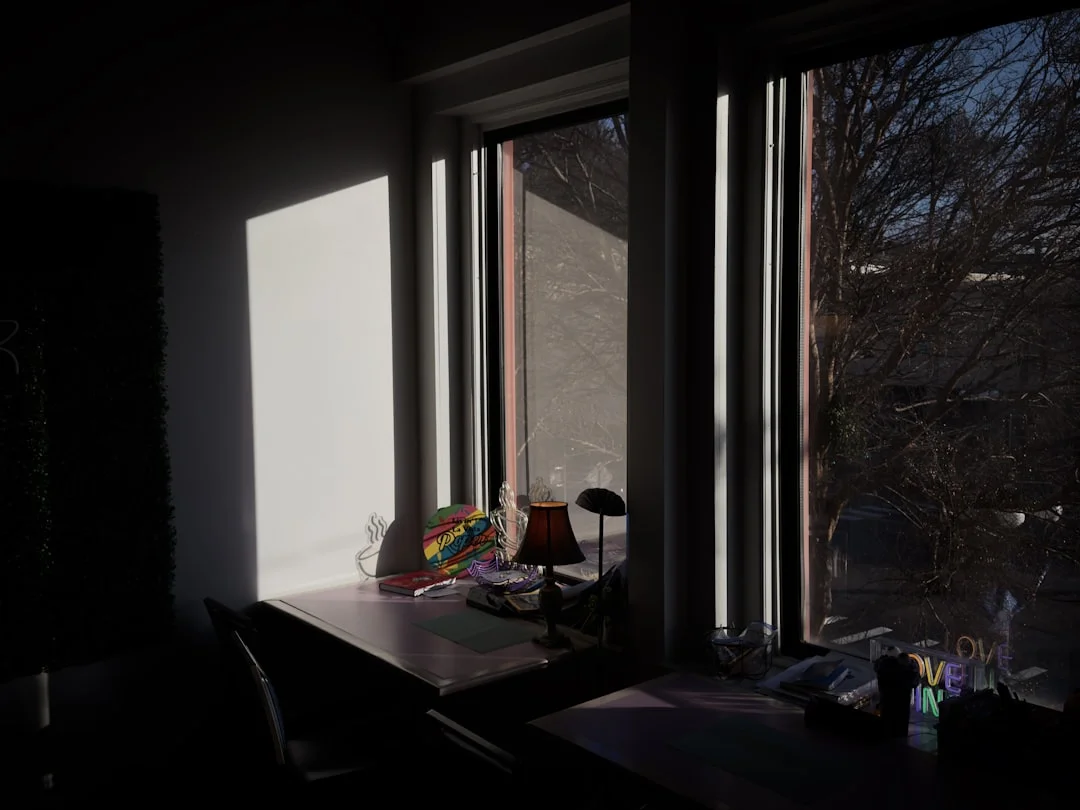
Modern environmental psychology and design principles echo these ancient concepts, validating them through the lens of human perception and behavior. Lighting at the entrance is a key component of what psychologists call "transitional space," helping individuals shift mentally from their public to their private selves. The impact on mood and behavior is immediate. A warmly lit entrance reduces stress upon homecoming, signaling safety and sanctuary. It lowers cortisol levels and begins the process of psychological decompression. For guests, it creates a positive first impression, reducing social anxiety and fostering a sense of being welcomed. This directly influences lifestyle and social dynamics; a home that feels inviting from the threshold is more likely to be a hub for positive social interaction. From a practical and safety standpoint, good lighting eliminates hazards, which is a foundational requirement for any sense of well-being. But beyond mere utility, it defines territory and creates a narrative. Uplighting a beautiful plant or architectural feature (accent lighting) adds layers of interest and tells a story about the inhabitants' care and aesthetic values. This curated approach to the first view of the home can enhance feelings of pride, belonging, and control over one's environment. Ultimately, modern interpretation sees entrance lighting as a non-verbal communication tool. It communicates care, attention to detail, and an active engagement with one's living space. It prepares the mind for the experience within, whether that is one of calm solitude or lively connection, making it a critical element of intentional living.
Insights
- Layer your entrance lighting with both an overhead fixture and softer wall-mounted sconces to create a balanced energy field that is both clear and inviting. This approach ensures the space is fully illuminated without creating harsh shadows or uncomfortable glare for anyone approaching the door.
- Always choose warm white or soft amber bulbs over cool white or daylight bulbs to strengthen the nurturing Fire and Earth elements at your entry point. The psychological effect of warm light is one of welcome and stability, which directly supports the Feng Shui goal of attracting positive opportunities.
- Ensure your primary exterior light shines downward onto your doorstep and pathway to properly ground the arriving energy and provide essential physical safety. This downward focus symbolizes drawing energy into the home and prevents the scattering effect of uplighting at the main entry.
- Incorporate a lighting element that rhythmically turns on at dusk, such as a photocell or timer, to maintain a constant energetic presence and invitation at your home's mouth of Qi. This consistency ensures the entry is never symbolically "closed" to energy flow due to darkness, even when you are away.
- Keep all entrance lighting fixtures in perfect working order and impeccably clean, as a burned-out bulb or dusty shade represents stagnant energy and blocked potential at this critical gateway. Regular maintenance is a practical ritual that reinforces your active participation in cultivating the flow of energy into your life.
Conclusion
Lighting is far more than a functional necessity at the entrance; it is the first and most adjustable gesture in the art of environmental harmony. By applying Feng Shui principles, we use light to actively cultivate a balanced, vibrant, and welcoming Qi at the home's most crucial interface. This practice aligns the ancient understanding of energy flow with modern knowledge of environmental psychology, demonstrating that a well-lit entryway prepares the space not just for physical entry, but for the graceful reception of new beginnings, social connection, and daily homecoming. Through intentional illumination, we transform the threshold into a conscious bridge, ensuring that the transition from the external world into our personal sanctuary is always one of clarity, balance, and positive expectation.