In the contemporary workplace, stress is a pervasive challenge, often exacerbated by the very environments in which we operate. While modern solutions focus on time management and wellness programs, an ancient body of knowledge offers a complementary, spatial approach. Feng Shui, the traditional Chinese art of placement, provides a framework for designing environments that support well-being by harmonizing the flow of energy. By intentionally arranging our workspaces according to principles of balance and natural order, we can create settings that mitigate anxiety, enhance focus, and foster a sense of calm control. This article explores how applying Feng Shui concepts to your office or home workspace can be a powerful tool for reducing occupational stress.
Core Concept
At its heart, Feng Shui is the study of how the arrangement of our surroundings affects the movement of Qi, or vital life force energy. A workspace is not merely a physical container for tasks; it is an active field that either supports or depletes our mental and emotional resources. Stress often arises from environments where Qi becomes stagnant, chaotic, or overly aggressive. Feng Shui interventions aim to cultivate a smooth, nourishing flow of energy that aligns with our intentions for productivity and peace. Key to this is the concept of the "command position." This refers to the placement of a desk and chair in a location that provides a broad, unobstructed view of the room's entrance while not being directly in line with the door. Sitting in this position subconsciously reduces vulnerability, allowing the mind to relax and focus without a lingering sense of being startled or overseen. Conversely, a desk positioned with one's back to a door or a window creates a sense of unease, subtly elevating stress hormones. Similarly, clutter represents stagnant Qi; it physically blocks pathways and mentally overwhelms our cognitive capacity, making tasks feel more insurmountable. A clear, organized space allows Qi—and ideas—to circulate freely.
Traditional Feng Shui Perspective
Classical Feng Shui analyzes a space through the interdependent lenses of Yin-Yang balance and the Five Elements theory. A harmonious workspace requires a dynamic equilibrium between these forces. The Yin-Yang principle seeks a balance between passive, receptive energy (Yin) and active, creative energy (Yang). An overly Yang office, characterized by harsh lighting, loud noises, sharp angles, and constant stimulation, leads to burnout and irritability. An excessively Yin space, with poor light, stale air, and low energy, induces lethargy and low mood. The ideal is a blend: sufficient bright, natural light (Yang) balanced with soft textures and moments of quiet (Yin); active work zones (Yang) paired with a comfortable chair or a small plant for visual rest (Yin). The Five Elements—Wood, Fire, Earth, Metal, and Water—interact in cycles of creation and moderation. A balanced workspace incorporates representations of all elements to create a supportive ecosystem. Wood, symbolizing growth and vitality, can be introduced through plants or wooden furniture. Fire, representing passion and illumination, is brought in via adequate lighting or a splash of red. Earth, for stability and focus, appears in ceramic objects or sandy colors. Metal, associated with precision and clarity, is present in metal desk frames or organizational trays. Water, linked to wisdom and flow, can be symbolized by a black or blue color or a simple image of a calm scene. An excess or lack of any element creates imbalance; for instance, too much Water (excessive blue/black) can feel cold and isolating, while too much Fire (overly bright red) can feel aggressive. Qi flow is paramount. The layout should allow energy to meander gently through the space, not rush in a straight line from the door to the desk (a "poison arrow") or get trapped in corners. A strategically placed plant or a rounded rug can soften a direct pathway. The symbolism of the space matters: a desk facing a solid wall, a "confrontation with the mountain," can feel limiting, whereas artwork depicting a distant, open horizon can inspire vision and reduce feelings of being trapped.
Modern Interpretation
From the standpoint of environmental psychology, Feng Shui principles are remarkably prescient. They codify intuitive understandings of how space affects human psychology, mood, and behavior. Modern research validates that natural light regulates circadian rhythms and boosts serotonin, that clutter increases cortisol levels, and that a sense of territorial control reduces anxiety. Feng Shui provides a structured, holistic system for applying these insights. The impact on productivity and stress is direct. A desk in the command position leverages our innate need for safety, freeing cognitive resources for work rather than subliminal vigilance. The removal of clutter reduces visual noise and cognitive load, making prioritization easier. The incorporation of plants (Wood element) not only improves air quality but also reduces stress and enhances concentration, as shown in numerous studies. Balancing Yin and Yang in lighting prevents eye strain and headaches, while the mindful use of color (Five Elements) can psychologically calm or energize as needed. In practical terms, Feng Shui shifts the workspace from a passive backdrop to an active partner in well-being. It encourages intentionality, transforming the act of organizing a desk from mere tidying into a ritual of creating a supportive environment. This sense of agency and cultivation is, in itself, a powerful antidote to the helplessness that often accompanies work stress. The space becomes a reflection of a desired state of mind—clear, balanced, and in flow.
Insights
- Position your desk so you can see the door without being directly aligned with it, which provides a subconscious sense of security and control over your environment.
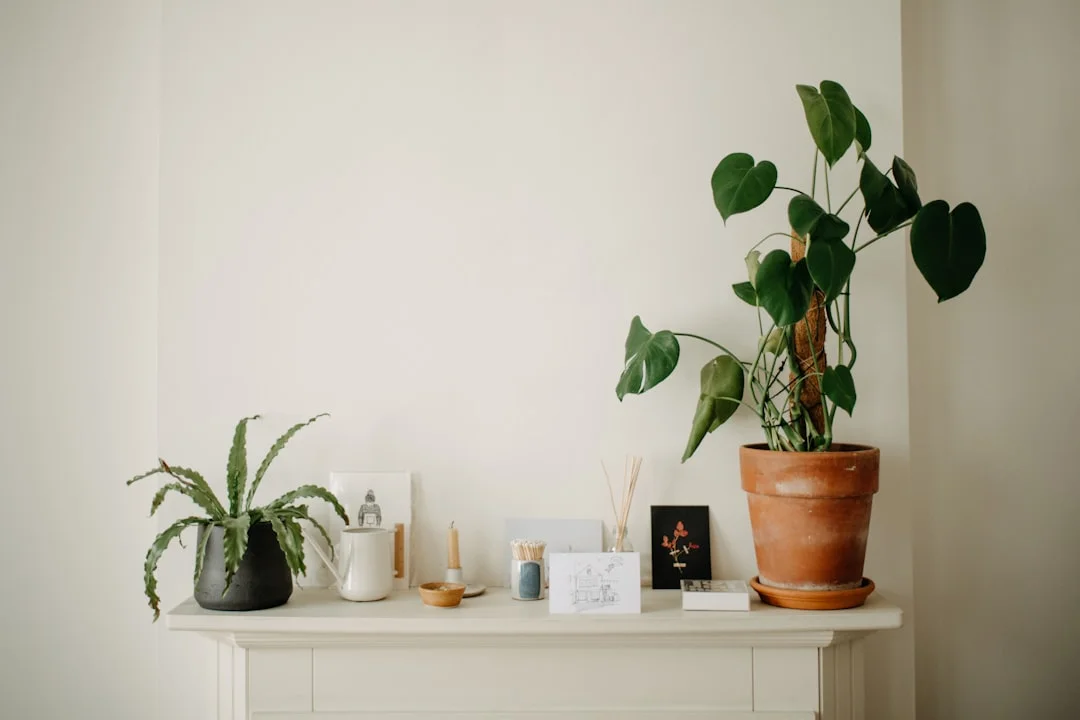
- Introduce a living green plant on or near your desk to purify the air, represent the Wood element for growth, and provide a natural point of visual rest.
- Ensure your office chair is supportive and high-backed, symbolizing and providing literal support from the "mountain" behind you in Feng Shui terminology.
- Manage cables and keep surfaces clear of non-essential items to prevent the stagnant energy and mental overwhelm associated with physical clutter.
- Incorporate a small, symbolic representation of the Water element, such as a blue mug or a picture of a calm lake, to encourage the smooth flow of ideas and work.
Conclusion
Feng Shui offers more than an aesthetic philosophy; it provides a time-tested framework for designing workspaces that actively combat stress. By understanding and applying its core principles—the smooth flow of Qi, the balance of Yin and Yang, and the harmonious interaction of the Five Elements—we can transform our work environments. The goal is to create a space that does not merely house our labor but nurtures our capacity to perform it with clarity, resilience, and a greater sense of calm. In cultivating harmony in our external surroundings, we foster a corresponding harmony within, making the reduction of work stress an integral part of the environment itself.