The art of welcoming guests extends beyond simple hospitality; it is about creating an environment where visitors feel an immediate sense of ease, comfort, and belonging from the moment they cross your threshold. Feng Shui, the ancient Chinese system of harmonizing individuals with their surrounding environment, offers profound insights into crafting such spaces. By intentionally arranging and balancing the energy, or Qi, within an entryway and social areas, we can design a home that communicates warmth and welcome energetically, influencing both the mood of our guests and the quality of our interactions. This practice is not about ostentatious display, but about creating a seamless, supportive flow that makes everyone feel genuinely received.
Core Concept
At its heart, welcoming Feng Shui focuses on the management of Qi at the primary points of entry and gathering. The entryway, or "Mouth of Qi," is where energy first enters the home and forms the initial impression for all who visit. This space represents the transition from the public outer world to your private inner world. How this transition is managed directly influences the emotional and psychological state of your guests. The energy here should be bright, clear, and inviting, encouraging a smooth, unobstructed flow into the home. Stagnant or chaotic energy at the entrance can make guests feel subconsciously hesitant or unwelcome. For example, a dark, cluttered hallway with a door that sticks creates resistance, both physically and energetically. In contrast, a well-lit, orderly entry with a clear path inward acts like a warm greeting, putting people at ease. The goal is to create an environment where the space itself does the work of welcoming, putting guests into a relaxed and open state conducive to positive social exchange.
Traditional Feng Shui Perspective
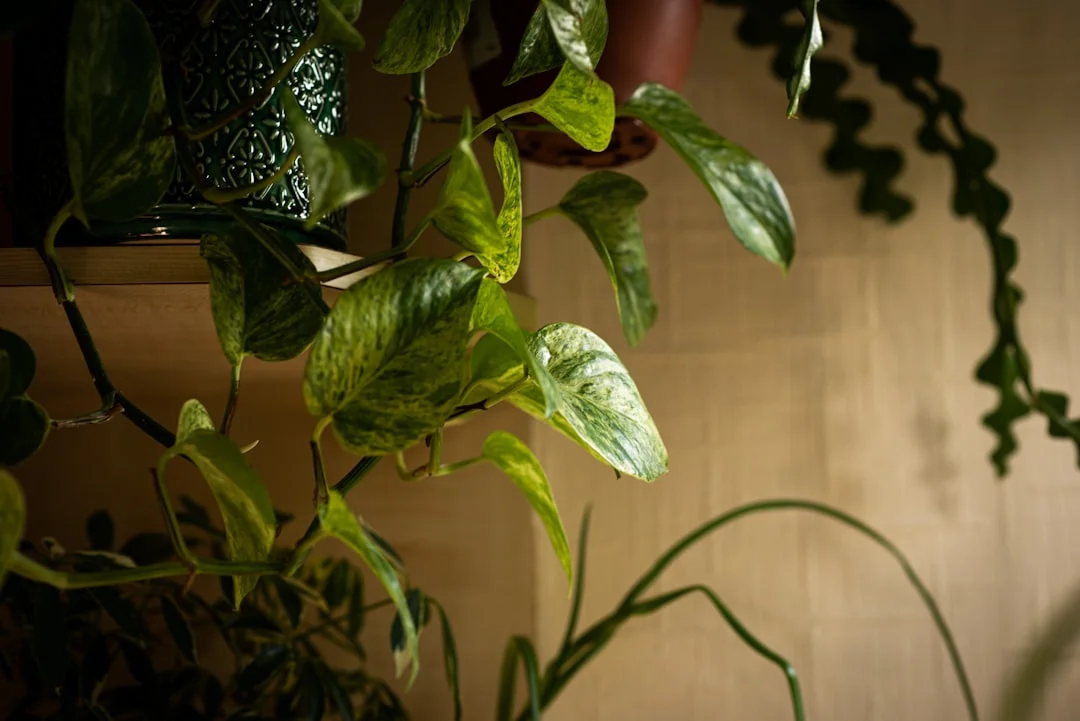
From a classical standpoint, creating a welcoming atmosphere is a deliberate application of core Feng Shui theories, beginning with the crucial balance of Yin and Yang. A welcoming space should strike a harmonious balance: enough Yang energy (light, activity, sound) to feel lively and engaging, but sufficient Yin (softness, calm, restfulness) to feel comforting and safe. An entryway that is too Yang—excessively bright, loud, or chaotic—can feel overwhelming. One that is too Yin—excessively dark, silent, or still—can feel cold and uninviting. The art lies in the blend, perhaps using a soft light on a textured wall or a gentle sound from a wind chime. The Five Elements theory provides a framework for cultivating specific qualities. The Fire element, introduced through lighting, candles, or touches of red, sparks joy and vibrant conversation. The Earth element, manifested in stone tiles, ceramic pots, or sandy yellow hues, promotes stability and a feeling of being grounded. Metal, seen in clean-lined furniture or metallic accents, encourages clarity and precision. Water, represented by mirrors or fluid shapes, supports ease of flow and communication. Wood, brought in with healthy plants or vertical lines, fosters growth and kindness. A balanced interplay of these elements prevents any one quality from dominating and creates a rich, supportive sensory experience. Qi flow is paramount. The path from the front door into the main living area should be clear and unobstructed, allowing energy to circulate freely and gather in social spaces. Furniture arrangement in living rooms should follow the "commanding position" principle, where seating is placed so occupants have a clear view of the room's entrance without being directly in line with the door. This positioning subconsciously makes guests feel secure and in control of their space. Symbolically, the use of pairs—such as two chairs, two lamps, or two artworks—in an entry or living room promotes partnership and connection, reinforcing the theme of hospitality.
Modern Interpretation
Through the lens of modern environmental psychology, the principles of welcoming Feng Shui translate into evidence-based design strategies that affect human perception and behavior. The entryway functions as a decompression zone, a buffer that allows guests to shed the stress of the outside world. A cluttered, narrow entry can induce cognitive overload and anxiety, while a clean, spacious one promotes mental clarity and calm. This is not mystical; it is a direct response to how our brains process spatial information and environmental cues. The impact on mood and social behavior is significant. Warm, layered lighting has been shown to lower cortisol levels and increase feelings of safety compared to harsh, single-source overhead lights. Comfortable, well-arranged seating that facilitates eye contact and easy conversation triggers our innate social bonding mechanisms. The presence of living plants (biophilia) reduces stress, improves air quality, and signals a cared-for, vibrant environment. These factors collectively lower social barriers and foster more open, authentic interaction. In practical terms, a home designed with these principles supports a more gracious and effortless lifestyle for the host. When the space is inherently inviting and easy to navigate, less conscious effort is required to "entertain." The environment itself facilitates connection, reduces guest anxiety, and makes gatherings feel more organic and enjoyable for everyone involved. It shifts the focus from performance to presence, allowing both host and guest to be fully engaged in the moment.
Insights
- Ensure your front door opens fully and easily into a bright, uncluttered space to create an energetic first impression of openness and invitation.
- Place seating in your living area so that guests can comfortably see the room's entrance, which fosters a subconscious sense of security and relaxation.
- Incorporate a balanced mix of textures and materials, such as soft fabrics, smooth wood, and living plants, to engage the senses and create a grounded, comforting atmosphere.
- Use warm, layered lighting from multiple sources like lamps and sconces instead of a single bright overhead fixture to cultivate a soft and socially conducive ambiance.
- Keep the pathways between your entryway, living space, and kitchen clear to encourage a natural flow of movement and interaction among your guests.
Conclusion
Feng Shui teaches us that hospitality is an environmental art. Making guests feel welcome is less about grand gestures and more about the subtle, cumulative effect of a thoughtfully composed space. By applying principles of clear Qi flow, Yin-Yang balance, and the Five Elements, we craft environments that communicate care and consideration on a level deeper than words. This ancient wisdom, validated by modern understanding of environmental psychology, provides a timeless guide for creating homes that are not just shelters, but true sanctuaries of connection. Ultimately, a welcoming home designed with such intention benefits all who enter, strengthening relationships and turning simple visits into meaningful experiences.