In an era where remote work has become commonplace, the home office has transformed from a casual corner into a primary center for productivity and mental engagement. Yet, many struggle with distraction, mental fatigue, and a lack of sustained focus within this domestic workspace. Feng Shui, the ancient Chinese art of environmental harmony, offers a profound and systematic approach to crafting spaces that support concentration and clarity. By intentionally arranging our surroundings to optimize the flow of energy, or Qi, we can create an environment that actively cultivates a focused and purposeful state of mind, turning a simple room into a sanctuary for effective work.
Core Concept
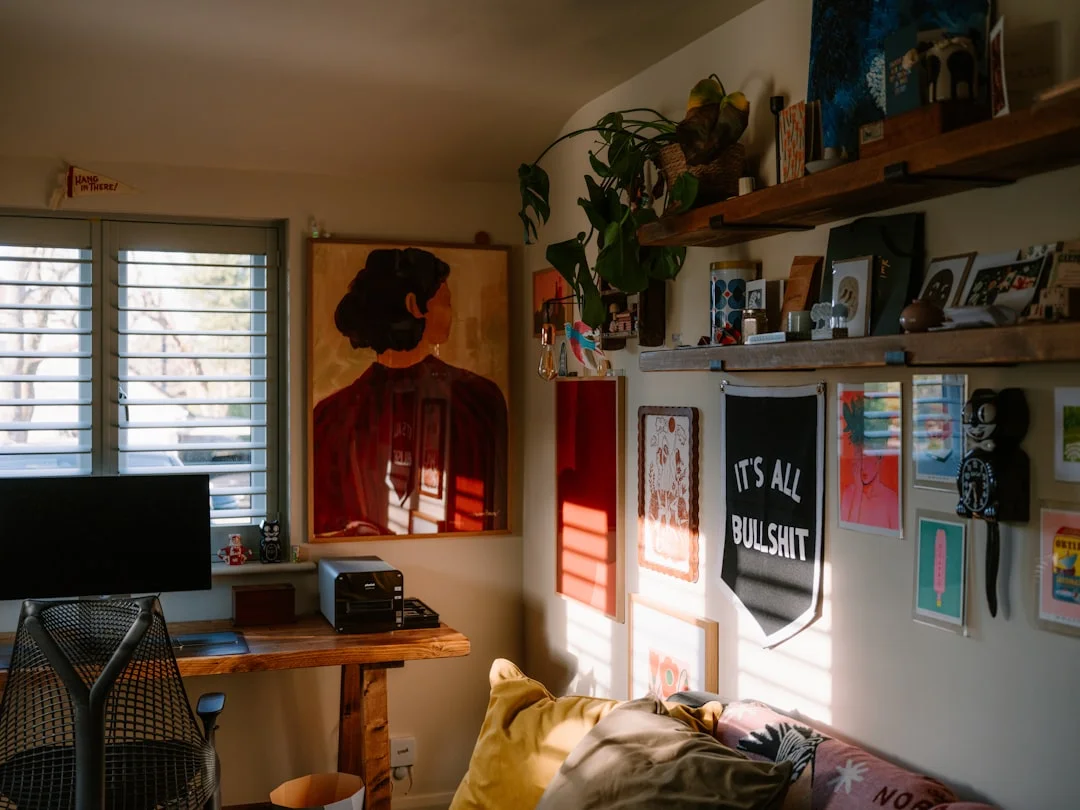
At its heart, Feng Shui for a home office is about creating a "Ming Tang" or bright hall—a clear, open, and energized space where ideas can flourish and attention can remain undivided. This space represents our career path, intellectual pursuits, and the tangible results of our efforts. The primary goal is to establish a strong "Mountain" for support and stability behind you, while maintaining a clear "Water" or open space in front for vision and opportunity. The energy, or Qi, in a home office should be vibrant yet calm, flowing smoothly without stagnation or chaotic speed. Stagnant Qi, caused by clutter or dead corners, leads to procrastination and mental fog. Conversely, Qi that moves too aggressively, perhaps from a direct line from a door to your seat, creates stress and an inability to settle. The ideal is a gentle, meandering flow that energizes the space without overwhelming the occupant. In real-life terms, this translates to an environment free from visual noise, with a comfortable and supported seating position, and an arrangement that feels both protected and open to creative inspiration.
Traditional Feng Shui Perspective
From a classical viewpoint, the home office is governed by principles of Yin-Yang balance and the productive cycles of the Five Elements. The space must strike a precise equilibrium: too much Yang (bright light, sharp angles, hyperactivity) leads to burnout and irritability, while excessive Yin (dim light, lethargy, clutter) induces drowsiness and lack of motivation. A focused workspace requires dominant Yang energy for activity, tempered by nurturing Yin elements for sustained endurance. The Five Elements theory provides a framework for achieving this balance. The Wood element, associated with growth and upward movement, is essential for career development and can be introduced through vertical shapes or healthy plants. The Fire element brings recognition and brilliance, carefully added via warm lighting or a touch of red. Earth provides stability and focus, represented by square shapes or earthy tones. Metal contributes precision and clarity through organized metal frames or white and gray colors. Water, symbolizing wisdom and flow, must be used judiciously; a small desktop fountain can enhance calm thinking, but too much can scatter focus. Qi flow is meticulously analyzed through the layout. The commanding position is paramount: your desk should be placed so you can see the door without being directly in line with it, with a solid wall behind you for support. This position subconsciously creates a sense of security and command over your work. The desk shape matters; a rectangular or kidney-shaped desk is preferable to a sharp, L-shaped one that can create cutting "poison arrows" of Sha Qi. The symbolism of direction is also considered; the North, linked to career and fluidity, or the Southeast, connected to wealth and abundance, are often auspicious orientations for a desk, depending on one's personal energy map.
Modern Interpretation
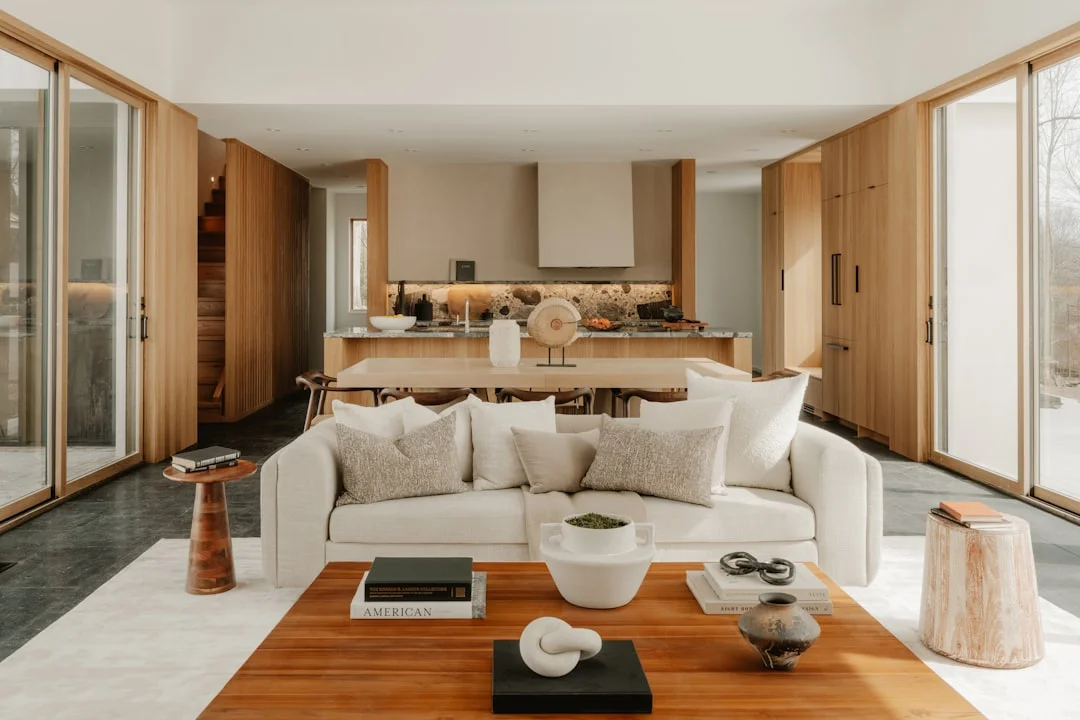
Modern environmental psychology echoes these ancient principles, validating the impact of spatial design on cognitive function and emotional state. A Feng Shui-optimized home office aligns with evidence-based concepts that reduce cognitive load and enhance mental performance. The environmental psychology of a clutter-free desk, for instance, directly reduces visual competition for attention, freeing up mental resources for the task at hand. The commanding position translates to a reduction in subconscious anxiety, as the brain's threat detection systems are not perpetually activated by someone potentially approaching from behind. The use of natural elements, like plants or natural light, is proven to lower stress, improve mood, and boost creativity—modern confirmations of integrating Wood and balanced Yang light. The impact on productivity, stress, and lifestyle is significant. A harmonious space reduces the friction of starting work, making it easier to enter a state of flow. The intentional use of color psychology (Earth tones for grounding, soft blues for calm) directly influences neurochemical responses. In practical terms, this means fewer distractions, greater resilience during challenging tasks, and a clearer boundary between work life and home life, as the space itself signals to the brain that it is time for focused activity. The real-life meaning is a workspace that doesn't fight against you but actively collaborates in your success.
Insights
- Position your desk so that you have a solid wall behind you and a clear view of the entrance to cultivate a subconscious sense of security and control over your work environment.
- Introduce a living green plant in the East or Southeast area of your office to harness the Wood element's energy for growth and to naturally purify the air for clearer thinking.
- Ensure your chair is supportive and of high quality, representing the strong "Mountain" in your setup, as physical comfort is the direct foundation for sustained mental focus.
- Use focused, layered lighting with a bright task light for Yang energy and softer ambient light to temper harsh shadows and prevent eye strain during long work sessions.
- Dedicate five minutes at the end of each workday to clear all surfaces, put items in their designated homes, and organize cables to prevent stagnant Qi from accumulating overnight.
Conclusion
Feng Shui provides more than a set of decorative rules for a home office; it offers a holistic philosophy for designing an environment that is in dialogue with our mental processes. By thoughtfully applying its principles—balancing Yin and Yang, harmonizing the Five Elements, and cultivating smooth Qi flow—we move beyond mere aesthetics to create a space that functionally supports deep work. The result is a home office that acts as a partner in productivity, minimizing distractions and maximizing the potential for clarity, creativity, and sustained focus. In mastering our environment, we gain greater mastery over our minds and our work.